

Dutch perspectives on the security of the Baltic states

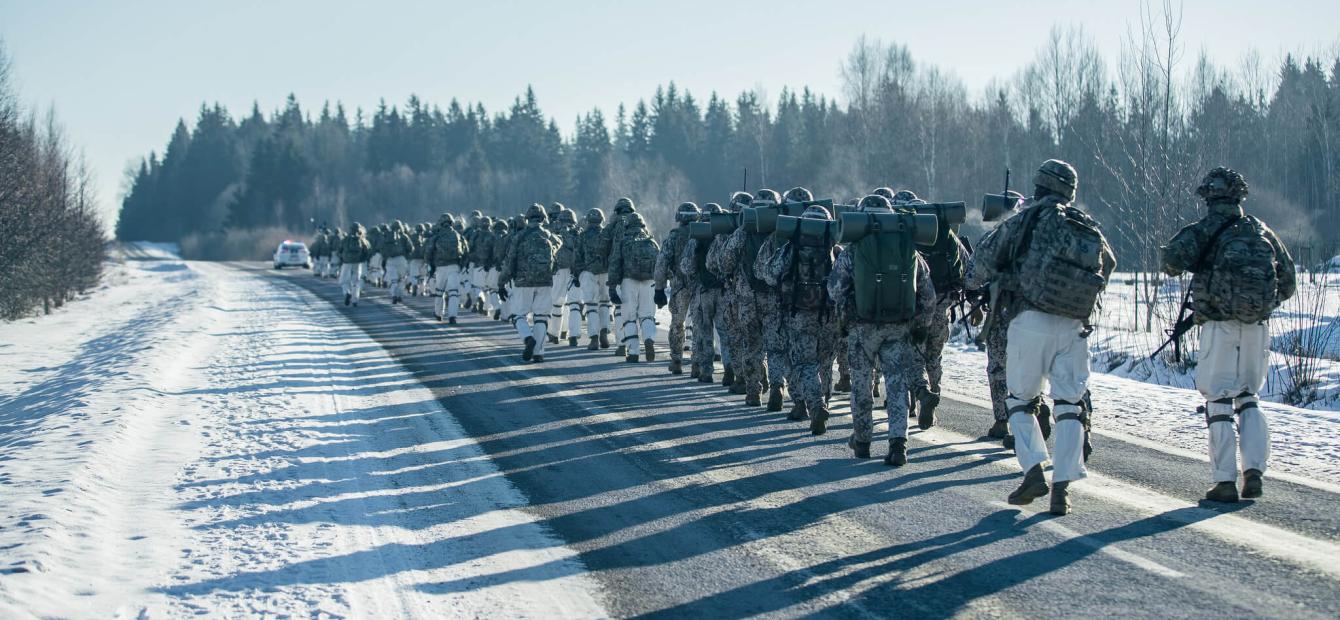
The Ukraine crisis turned the security of the Baltic states into a top European security priority. Although NATO member states stood squarely behind their Eastern allies at the NATO summit in Wales, this initial display of unity started to show some signs of unravelling in the run-up to the Warsaw summit. Differences between Eastern and Southern allies on how to deal with Russia and where the geographical focus of the Alliance should lie became increasingly visible. The Netherlands found themselves caught in-between this East-South divide. This article analyses how the divide shaped NATO’s approach to the security of the Baltic states and pays particular attention to the role of the Netherlands in trying to bridge the gap between NATO’s two flanks.
The Ukraine crisis raised concerns that the Baltic states might be next on Putin’s wish list, especially after Russian military and non-military provocations in the Baltic states and its continued interference in the Donbass. With defence budgets somewhere in the range of 250 to 500 million annually, the Baltic states would not stand a chance in the face of Russian armed aggression. Furthermore, Russia’s increased anti-access/area-denial (A2/AD) capabilities in the region made it more difficult for NATO to come to the Baltic states’ defence when necessary.
For Moscow, the region therefore proved to be the ideal testing ground of Alliance solidarity.
NATO’s shifting focus eastwards raised concerns among Southern member states that security challenges on NATO’s southern flank would be overlooked
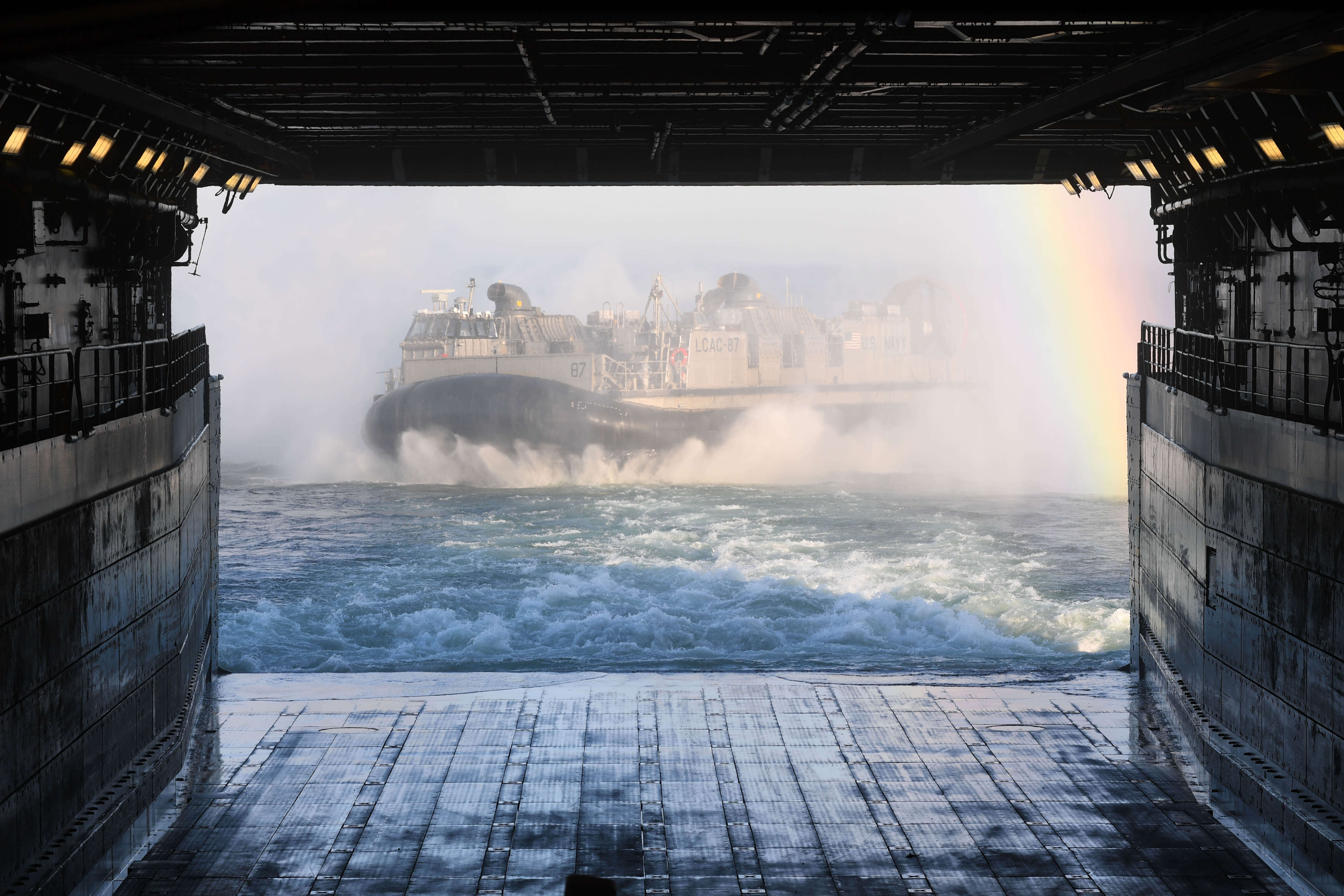
Within the Alliance attention shifted eastwards. Replacing a decade-long focus on crisis management, collective defence once again dominated NATO’s agenda. Immediately after the annexation of Crimea, NATO member states demonstrated their commitment to the security of their Eastern allies by imposing a series of reassurance measures. These measures included the intensification of NATO’s Baltic Air Policing mission, a strengthened maritime presence in the Baltic Sea and increased military exercises in the region. This shift in focus to collective defence and deterrence was institutionalised at the Wales summit (2014) with the adoption of the Readiness Action Plan (RAP) and the reconfirmation of collective defence as NATO’s core task.
The widening East-South divide
In the run-up to the Warsaw summit (2016), the initial display of unity at Wales showed signs of unravelling. Cleavages between member states deepened over two questions in particular: how to deal with Russia’s renewed assertiveness and where the geographical focus of the Alliance should lie. For NATO’s Eastern member states – Poland and the Baltic states in particular – the reassurance measures were a welcome first step, but not enough to deter Russian aggression. For them, the only credible deterrent would be the permanent stationing of NATO troops in Eastern Europe. Eastern allies furthermore advocated a review of NATO’s command structure.
Other allies, notably the Southern member states, were hesitant about this approach.
NATO’s shifting focus eastwards furthermore raised concerns among Southern member states – notably France, Spain, Italy and Greece – that security challenges on NATO’s southern flank would be overlooked. They argued that these challenges, ranging from instability in Libya to the rise of the so-called Islamic State (IS) in Iraq and Syria, were as much of an existential threat to the Alliance as was Moscow’s renewed assertiveness.
The Netherlands: bridging the divide
The Netherlands was caught in-between this East-South divide, together with other allies such as Germany, the UK and the US.
The initial Dutch offer to increase its contribution to Baltic Air Policing was withdrawn after the Netherlands joined the coalition against IS, but the Netherlands did participate in the interim-phase of the new Very High Readiness Joint Task Force (VJTF). On the other hand, the Netherlands was careful not to add fuel to the fire and opposed the permanent stationing of troops in Eastern Europe. The Dutch government furthermore emphasised that in the long run a strategic partnership with Russia would remain the end goal, and that channels for communication – notably the NATO-Russia Council – should remain open to prevent unintended escalation.
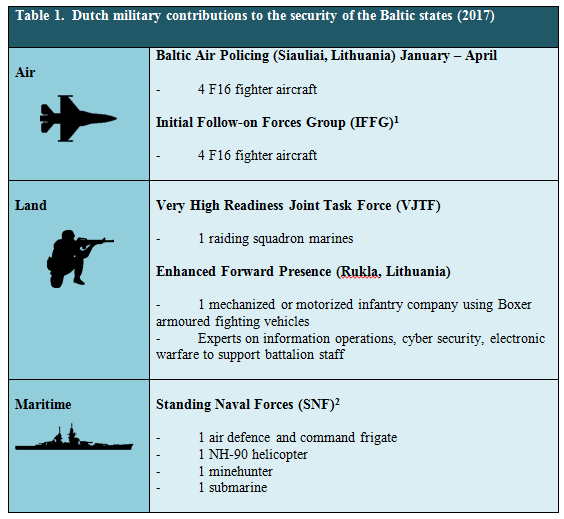
[2] The maritime component of the NATO Response Force (NRF), consisting of Standing NATO Maritime Groups (SNMG-1 and SNMG-2) and Standing NATO Mine Countermeasures Groups (SNMCMG-1 and SNMCMG-2).
Dutch contributions to the security of the Baltic states were backed up by strong public support for NATO solidarity. When asked whether the Netherlands should come to the assistance of Lithuania if that country would be the victim of an armed attack, almost two-thirds of the Dutch public was in favour of honouring the collective security commitment.
Furthermore, in line with developments in the rest of Europe, security challenges emanating from the South featured increasingly prominent in the Dutch public debate after the terrorist attacks in European capitals and the sharp increase in the number of migrants coming to Europe. Surveys demonstrated that the Dutch public considered immigration, and not the Russian threat, to be the most important issue facing the Netherlands.
The Warsaw compromise
This balancing act proved to be very influential in the run-up to the Warsaw summit, especially since the Netherlands found itself joined by major allies like Germany, the UK and the US.
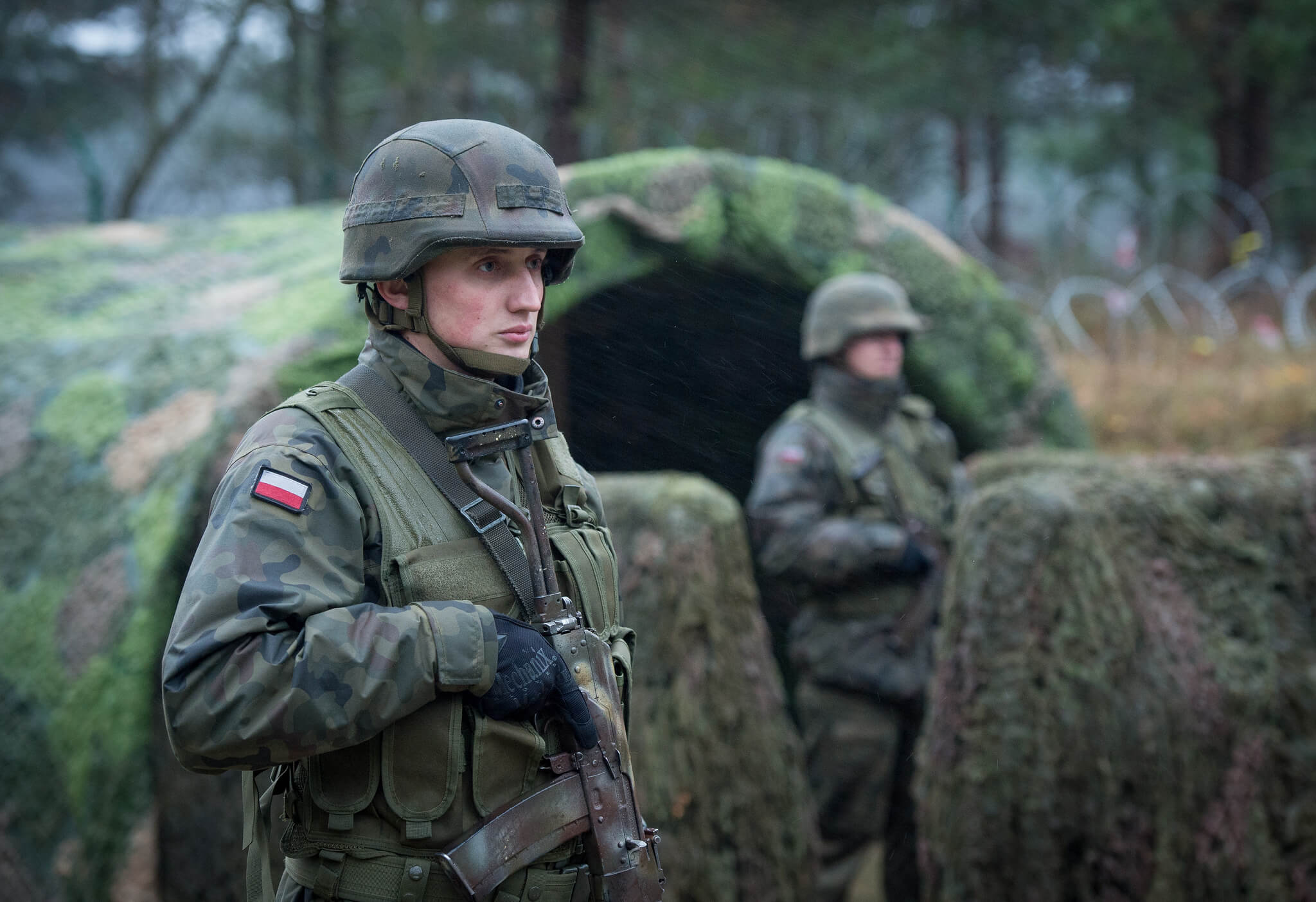
There was also a growing consensus that more had to be done to credibly deter Russia in the East. A test run of the VJTF, in which the Netherlands participated, had laid bare significant supply shortages, logistical bottlenecks and complicated decision-making procedures that prevented a rapid and effective response. This led to concerns that “as presently postured, NATO cannot successfully defend the territory of its most exposed members”.
The political commitment of the Netherlands to the security of the Baltic states is not fully reflected in its military contributions
Although the Netherlands was one of the advocates of the EFP-concept, its contribution is comparatively little. The Dutch provide only a single company to one of the four EFP battalions (the German-led battlegroup in Lithuania),
Although there is an upwards trend in the Dutch defence budget, 25 years of budget cuts have left their marks on the Dutch defence organisation, and its army in particular. Old materiel and a lack of maintenance capacity and spare parts led former Dutch Minister of Defence Jeanine Hennis-Plasschaert to conclude that the armed forces were no longer fully able to defend Dutch and NATO territory.
Conclusion
The balanced approach of the Netherlands (and other allies) between dialogue and deterrence, as well as between NATO’s Eastern and Southern flank, helped to bridge the East-South divide at NATO’s Warsaw summit. The political commitment of the Netherlands to the security of the Baltic states, however, is not fully reflected in its military contributions. The government’s balancing act has laid bare a discrepancy between political ambitions and military means. Following years of austerity, the Dutch armed forces lack the means to provide substantial contributions to multiple theatres simultaneously. The Dutch military contribution to the security of the Baltic states is consequently limited, and continues to be plagued by the effects of the budget cuts.
To bring political ambitions in line with military means, difficult choices will have to be made by the new Dutch government. The increase of the defence budget – amounting to 1.5 billion annually by 2021 – offers no escape from these choices. Former Dutch Minister of Defence Hennis Plasschaert has indicated that an increase of at least 1 billion euros annually will be needed just to maintain the current level of ambition.



0 Comments
Add new comment