

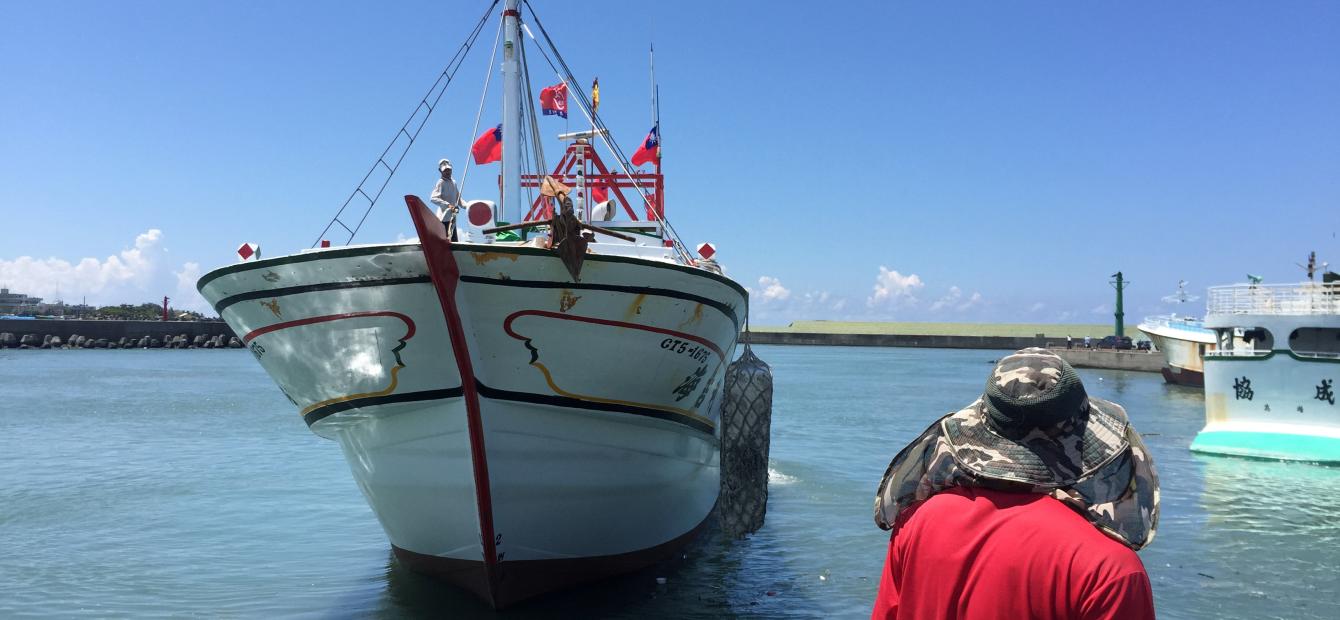
Still waters run deep: Taiwan’s South China Sea strategy

China’s long-running territorial disputes regarding Taiwan and the South China Sea have become two of Asia’s biggest flashpoints. This Clingendael Spectator series delves deeper into these issues, offering insights beyond the headlines. In the third episode, Chong Ja Ian (National University of Singapore) examines Taiwan’s stance in the South China Sea and its apparent policy of remaining relatively quiet. What is behind Taipei’s silence?
Taiwan has been remarkably quiet regarding its claims in the South China Sea, whilst a geopolitical storm is brewing above these waters. Its silence is especially noteworthy given Taipei’s extensive claims. This stance becomes even more peculiar when considering the foundation of Taiwanese claims, which are based on a 1947 maritime chart crafted by the Republic of China (ROC).
Information box
The Republic of China
Taiwan is officially known as the Republic of China (ROC) today. The ROC was established in 1912 following the overthrow of the Qing Empire. At that time, Taiwan was under Japanese colonial rule. The ROC government began exercising jurisdiction over Taiwan in 1945 after Japan surrendered at the end of World War II. The administration retreated to Taiwan following its defeat in the Chinese Civil War in 1949, even as it claimed to be the legitimate government of China. Democratisation in the 1980s saw the end of authoritarian rule by the Chinese Nationalist Party (or Kuomintang; KMT) and acceptance of Chinese Communist Party rule over Mainland China.
The ROC-based Taiwanese claims include two extra lines near the Gulf of Tonkin, which the PRC removed following a settlement between Beijing and Hanoi in 1953.
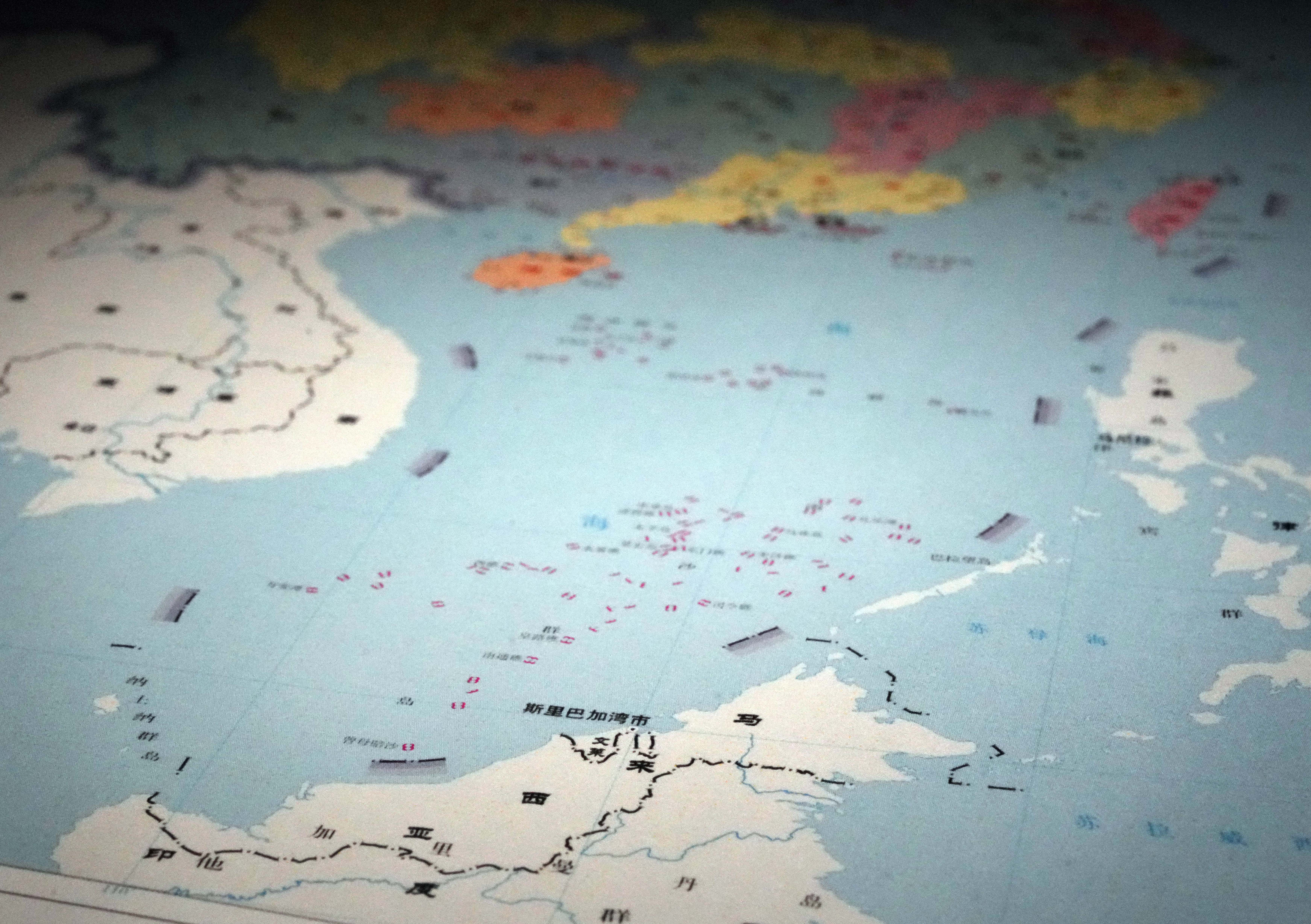
This analysis delves into the complexities of Taiwan’s stance in the South China Sea, shedding light on the peculiar silence that shrouds its extensive claims. While examining the foundation of these claims and their implications, this article does not focus on litigating Taiwanese maritime claims, or the PRC claims based on them. That complex task is best left to international lawyers and experts on the United Nations Convention of the Law of the Sea (UNCLOS). Instead, this piece examines some of the potential security consequences for the region and the PRC arising from Taiwan’s official position on the South China Sea and its apparent policy of remaining relatively quiet.
Taiwan’s silence on the matter may reflect a potential inability or unwillingness to vigorously pursue its claims due to limited capabilities. Additionally, Taiwan may want to avoid antagonising its Southeast Asian neighbours as well as opening a new front of confrontation with Beijing. Furthermore, Taipei’s reticence contributes to the ambiguity surrounding the nature of the PRC’s claims in the South China Sea.
Taiwan’s claims
When it comes to areas outside the South China Sea, Taiwan is not hesitant to asserts its territorial claims, even beyond PRC claims of ownership over the entirety of Taiwanese-controlled areas. For instance, Taipei periodically raised claims over the Senkaku – or Diaoyu/Diaoyutai
A notable incident occurred in 2012 when Taiwanese and Japanese coast guard vessels clashed over fishing rights near the Diaoyu(tai) Islands,
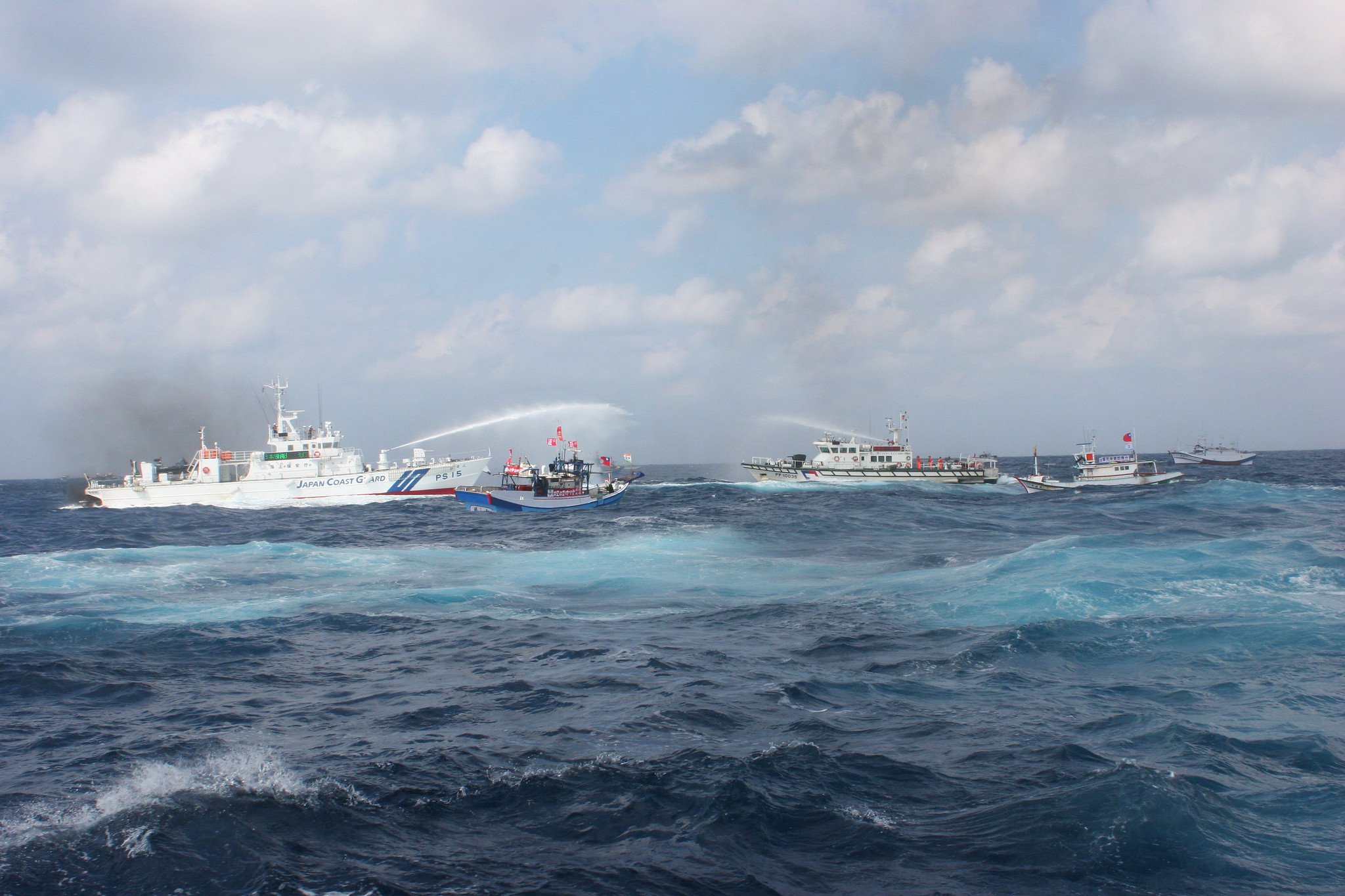
Much like the Diaoyu(tai) dispute, conflicts in the South China Sea gained momentum in the 1980s after the discovery of potential oil and gas deposits in the 1970s.
Apart from the physical control of territory, there is the non-trivial matter of the legal basis for Taiwan’s claims in the South China Sea. Taiwan has never provided a clear explanation regarding the ROC’s stance as illustrated in the 1947 chart. The same lack of clarity applies to the PRC given that its claims rest on the ROC’s claims. The information in question is crucial as it would offer more transparency regarding the foundation of both Taiwan’s and the PRC’s claims, including their alignment with UNCLOS.
Of course, there is a real risk that official documents from Taiwan may critically undermine Beijing’s position, just as they might Taipei’s
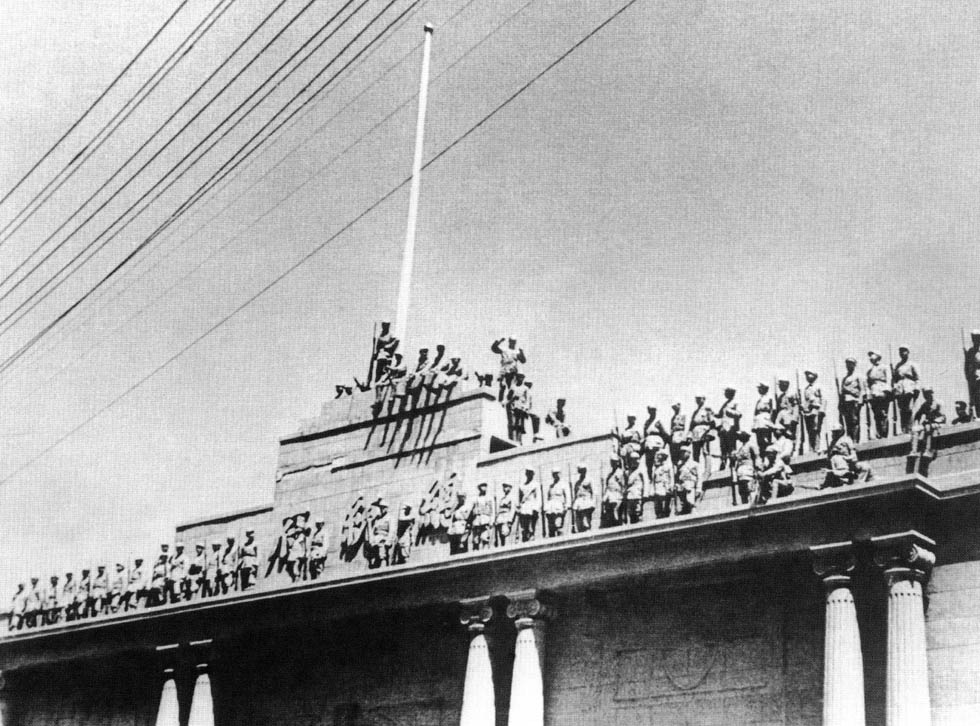
Reasonable suspicion suggests that any original documents outlining the ROC’s South China Sea claims can be found in Taipei, given the relocation of key records from the former ROC capital of Nanking to Taipei at the end of Chinese Civil War in 1949. While Taiwan has provided some historical information about the ROC’s positions and claims, it has not disclosed the exact whereabouts and details of its eleven-dash line.
Obtaining more definitive information from Taiwanese archives could have significant implications for both Taiwan and the PRC in relation to their South China Sea claims. If these documents offer a solid foundation consistent with UNCLOS, it could potentially strengthen Beijing’s and Taipei’s claims in comparison to those of other South China Sea claimants, such as the Philippines, Vietnam, Malaysia and Brunei. Of course, Taipei and Beijing differ on who has rights to those claims. Conversely, if the documents do not provide any strong legal position according to current international law, or if no documentary explanation exists, this could weaken or even undermine Taipei’s and Beijing’s positions.
While it is important to note that disclosure alone may not entirely resolve the contemporary sovereignty disputes in the South China Sea, it could contribute to greater clarity and potentially foster some degree of mutual accommodation. If Taipei chooses to adhere to its current policy of limited disclosure, the ongoing disputes in the region might persist.
Vital for self-defence
For Beijing, gaining further clarity on ROC claims is not merely an academic or legal curiosity. Aside from asserting its sovereignty and establishing a legal basis to control maritime routes, air passages and undersea data connections, having undisputed ownership of the South China Sea under contemporary law would bestow Beijing with an extended strategic advantage.
This, in turn, would enable Beijing to legitimately push the activities of the United States, its allies, and partners further away from the Chinese coastline, thus creating a wider buffer zone in case of a confrontation. Prior to any potential confrontation, Beijing can also make stronger claims to restrict efforts by the US and its allies to monitor the PRC’s long coastline and military installations along it. Of course, there is a real risk that official documents from Taiwan may critically undermine Beijing’s position, just as they might Taipei’s.
It is unsurprising that Beijing views the ability to solidify its dominance over the South China Sea with greater legitimacy as an advantage
Additionally, increased control over the waters within the supposed first island chain
The ability to block access to the South China Sea, backed by a legal justification, also strengthens the PRC’s capacity to exert pressure on Taiwan. Taiwan heavily relies on trade and imports energy as well as food through the South China Sea. In the event of a conflict over Taiwan, support from the US is likely to arrive from locations such as Japan, across the Pacific and possibly from the Indian Ocean and Middle East through the South China Sea. While bypassing the South China Sea is possible, it could result in strategically significant delays in the delivery of supplies, military support and efforts to break a blockade. Therefore, it is unsurprising that Beijing views the ability to solidify its dominance over the South China Sea with greater legitimacy as an advantage.
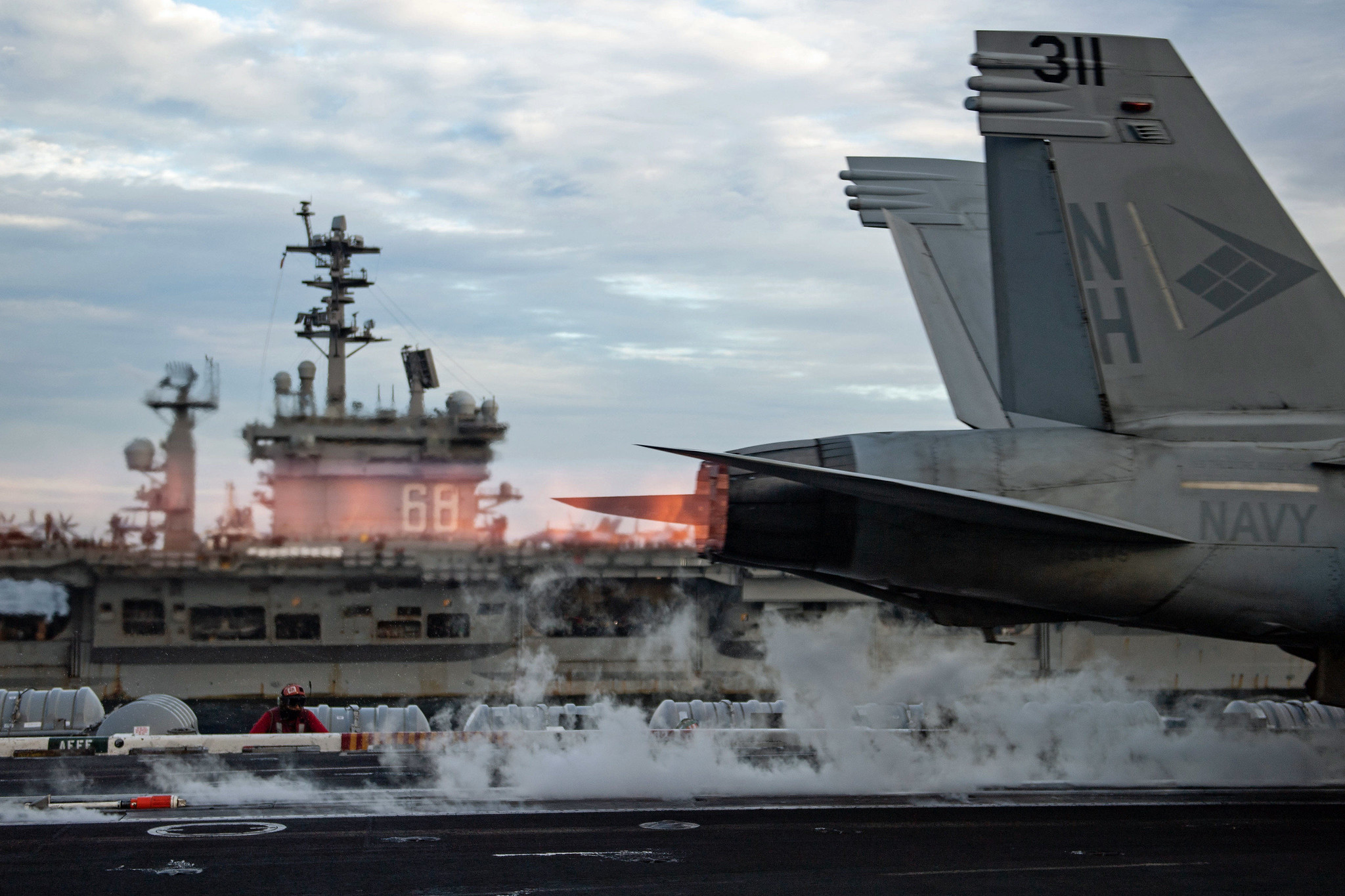
However, the PRC’s lack of clear legal legitimacy in the South China Sea means that the United States and others can freely conduct maritime passages, flights and communications in the region, in accordance with international law. This positions the US to better deter any aggressive actions by the PRC, while also allowing other South China Sea claimants, including Taiwan, to use these waters, the airspace above them and the seabed below, in compliance with international legal frameworks like UNCLOS. Moreover, Taiwan’s overlapping maritime claims also provide the island with a basis for resisting a PRC blockade, should Beijing try to argue that it is merely acting within its own territory.
Behind Taipei’s silence
Considering the implications following from Taiwanese claims in the South China Sea, Taipei’s continuing silence amid the increasingly heated debates over ownership of these waters, the airspace above them and the seabed below seems puzzling. Without Taipei providing more information, the exact nature of both Taiwan’s and the PRC’s claims remains speculative.
Equally puzzling is the absence of comprehensive explanations and the presentation of evidence regarding Taiwan’s claims in the South China Sea by successive Taiwanese administrations, especially given the general expectation of transparency in a noisy democracy like Taiwan’s. The most Taipei has offered were statements reiterating its position and insisting that Taiping Island (Itu Aba) qualifies as an island, which can presumably generate an Exclusive Economic Zone under UNCLOS.
Perhaps the most straightforward reason is the relative inattention of an electorate already grappling with numerous pressing issues, including the challenge of preserving autonomy in the face of PRC pressure.
Taipei’s ongoing silence regarding the nature and extent of its claims is a noteworthy and often underestimated issue
Another possible explanation is that Taipei recognises that taking a clear stance and revealing any documentary evidence for its claims could upset Taiwan’s relationship with its neighbours. There might be evidence to suggest that the ROC did not receive any recognition for its claims from previous governments of the current claimant states, such as British, French, American or even Dutch colonial administrations. This lack of recognition could weaken the positions of other claimants and set them against a Taiwan that is already in a diplomatically marginalised and precarious position.
An alternative scenario is that more clarity from Taiwan could undermine the PRC’s position and invite additional pressure from Beijing, something Taipei would rather not deal with at a time of already heightened tensions.
A further possibility is that Taipei may have limited legal evidence to support its claims. Admitting such a reality could expose any Taiwanese administration in office to domestic criticism, with accusations of being weak on sovereignty claims. This further complicates a situation where Taiwan’s status already faces serious challenges from a powerful PRC. Any political party in office in Taipei would likely want to avoid further domestic disputes.
While Taipei could attempt to negotiate concessions from Beijing for not undermining PRC claims, such an arrangement would remain concealed from direct observation, and Taiwan would bear the risk of potential backtracking by the PRC. In any case, Taipei has few incentives to be open about a lack of evidence for the old ROC position over the South China Sea.
An underestimated issue
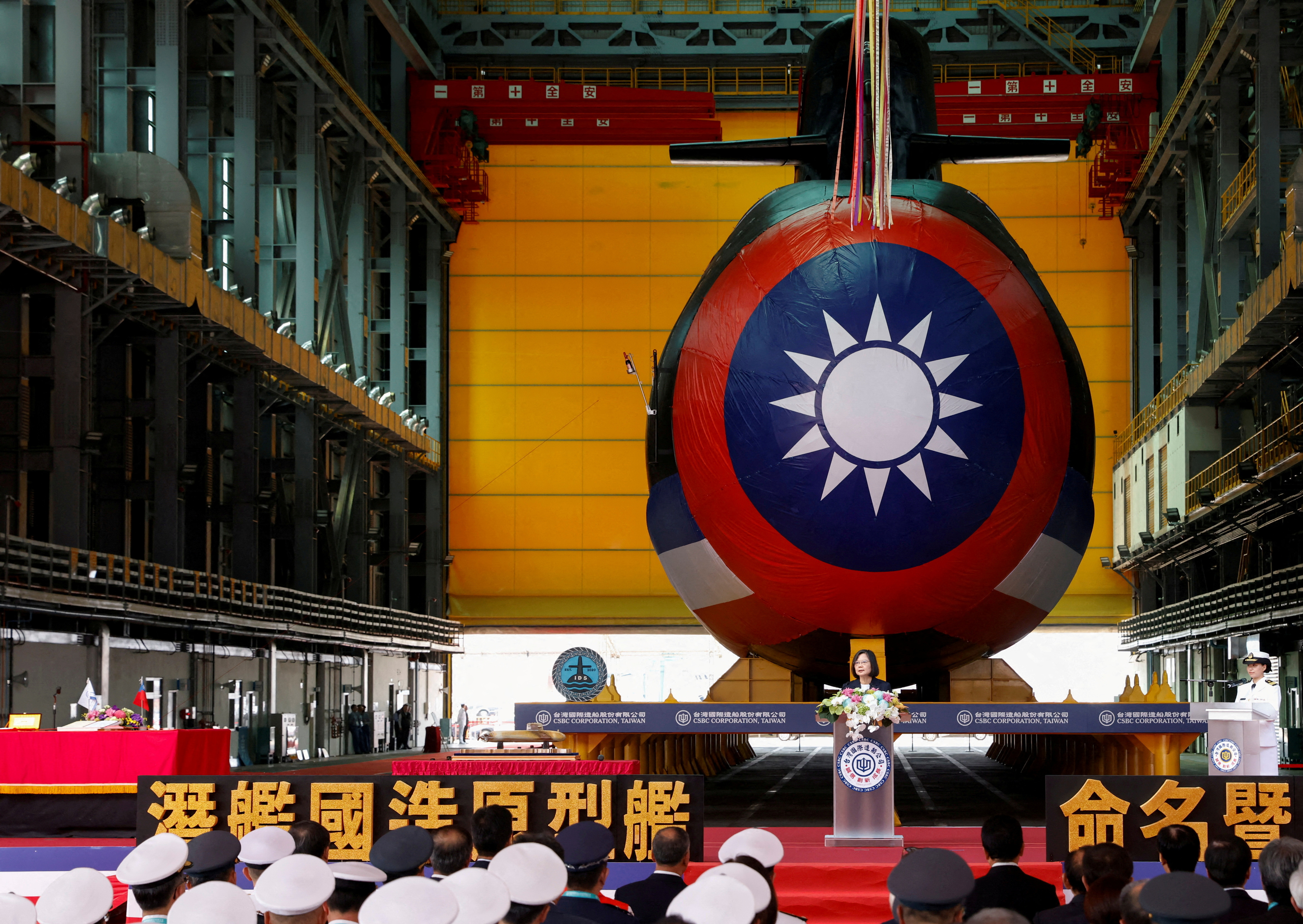
Taipei’s continued claims on the old ROC’s maritime borders may provide some basis to assert Taiwan as a successor state to the ROC. For the PRC, these circumstances underscore Taiwan’s status as an integral part of a China that should be under control of the Chinese Communist Party.
For the small pro-unification segment of Taiwan’s population, maintaining the old ROC claims ties Taiwan to China, akin to the control of Quemoy and Matsu.
The lack of progress in its policies regarding the South China Sea may simply reflect an acceptance of the existing status quo, where Taiwan holds de facto but not full de jure statehood within its own polity.
Taiwan is not only a concerned participant and co-disputant in the competing claims over the South China Sea; the outcomes of the disputes carry significant consequences, not only for Taipei and its relations with neighbouring countries but also for the PRC. Therefore, Taipei’s ongoing silence regarding the nature and extent of its claims, especially after the end of martial law and the process of democratisation in the 1980s, is a noteworthy and often underestimated issue.
This behaviour is uncharacteristic for an open and competitive political system like Taiwan’s, even considering the usual lack of public attention to foreign policy. Given the general lack of political appetite in Taiwan and internationally to comprehensively address the historical ROC positions on territorial matters, the world will likely have to live with more contentiousness, confusion and uncertainty over the South China Sea.






1 Comments
Load comments
International Expert member of Global Order in Geneva.
Good Research .
Add new comment