


Resilience amidst war: Ukraine's road ahead

Russia’s invasion of Ukraine has an enormous impact on the current and future security of Europe. This Clingendael Spectator series analyses how Europe’s relation with Ukraine and Russia will be affected. In the fifth episode, Clingendael expert Julia Soldatiuk-Westerveld reflects on how Ukraine aims to stay resilient in the context of a long war and what the European Union can do to support these efforts.
Despite ongoing international discussions on how to end the war, Ukrainians are not betting on the hostilities with Russia to end soon. Over two years after the large-scale invasion began, and ten years since the start of the war in the Donbas, Ukraine is readying itself for an even longer conflict.
How does Ukraine aim to stay resilient in the context of a long war, and what can the European Union do to support these efforts? This article aims to answer these questions through four different angles: scaling up Ukraine’s defence industry, strengthening Ukraine’s economy, supporting Ukraine’s civil society and joining efforts in strengthening the resilience to Russian information warfare.
Scaling up defensive capabilities
After a period of overwhelming military support for Ukraine and optimism about a counteroffensive, Ukraine is currently back to defensive positions. The country does not have enough ammunition and long-range missiles to protect itself properly from Russia’s military advances, let alone reclaim territory. Simultaneously, the West is struggling to provide Ukraine with what it needs.
Ukraine needs stronger defensive capabilities; not only in the short and medium term, but also in the longer run when the war is over and Ukraine needs to deter Russia from invading again. Examples from Taiwan
For this, two things are necessary: security guarantees from an ally in the form of a military alliance, such as NATO or NATO member states, and an upscaling of domestic arms production. As prospects of NATO membership are not progressing so far, Ukraine is focussing its attention on the latter. In 2023, Ukraine initiated significant advancements in its defence industry, aligning with NATO standards and expanding production in various sectors, including artillery systems, ammunition, hybrid air defence equipment, drones and thermal imagers.
Ukraine needs to look for ways to reduce defence investments as a percentage of GDP
The country has undertaken reforms to involve private companies in its previously state-owned defence complex, with over 190 enterprises now participating. Ukraine has also introduced robotised systems on the battlefield, such as water-surface and underwater drones, which have proven effective against the Russian Black Sea fleet.
For the strategy of domestic production to be successful, it is important to ensure that the Ukrainian share of investments in the defence industry does not overly burden its national economy. Currently, Ukraine’s defence budget is estimated to be no less than 21,6% of its GDP for 2024, with over half of the state budget allocated to the security and defence sector.

Ukraine is seeking bilateral military alliances to stimulate foreign investment and closer cooperation with partners to scale up its domestic defence industry. Such agreements have been signed with the UK, France, Germany, the Netherlands, Denmark, Canada, Italy and Finland.
The countries that signed these agreements commit themselves to at least maintain the current level of support to Ukraine for the next decade.
Looking ahead, Ukraine aims to prioritise high-tech military systems by using advanced technologies like AI and positioning itself as an attractive partner for the EU in the field of military research and innovation. The EU could facilitate this partnership by fostering technology sharing and innovation. Nevertheless, providing military aid to Ukraine – air defence systems and ammunition, spare parts and other weapon systems, which Ukraine cannot (yet) produce at scale – remains essential to counter the current Russian attacks and further advancement into Ukraine’s territory.
Supporting stable economic recovery
A strong and stable economic recovery is key for upholding Ukraine’s resilience. In the first year of the war, Ukraine experienced a significant 28,8% decline in GDP. However, last year, the country managed a modest recovery, registering an economic growth of 4,6%, as estimated by the International Monetary Fund (IMF) and Ukraine’s Ministry of Economic Affairs.
To reduce the dependence on foreign support, recovery funding needs to be structured in a way that strengthens the fundamentals of the country’s economy. This includes reducing the dependency of Ukrainian companies on imports while increasing their export capacity.
The removal of trade barriers would help achieve the goal of strengthening Ukrainian businesses, particularly in the agricultural sector
The role of small and medium-sized enterprises (SMEs) is of particular importance here, as their empowerment serves as a safeguard against business monopolisation, which could exacerbate inequalities and revitalise oligarchic structures that President Volodymyr Zelensky and his government have tried to break down. Over the past two years, Ukraine’s oligarchs have lost much of their influence on the economy, politics and media.
Dedicated efforts towards the reconstruction of SMEs also offer the potential to foster a more competitive business landscape, laying the foundation for a more resilient economy. One of the most impactful initiatives to support Ukraine’s SMEs is the state credit programme ‘Affordable Loans 5-7-9%’.
The removal of trade barriers would help achieve the goal of strengthening Ukrainian businesses,
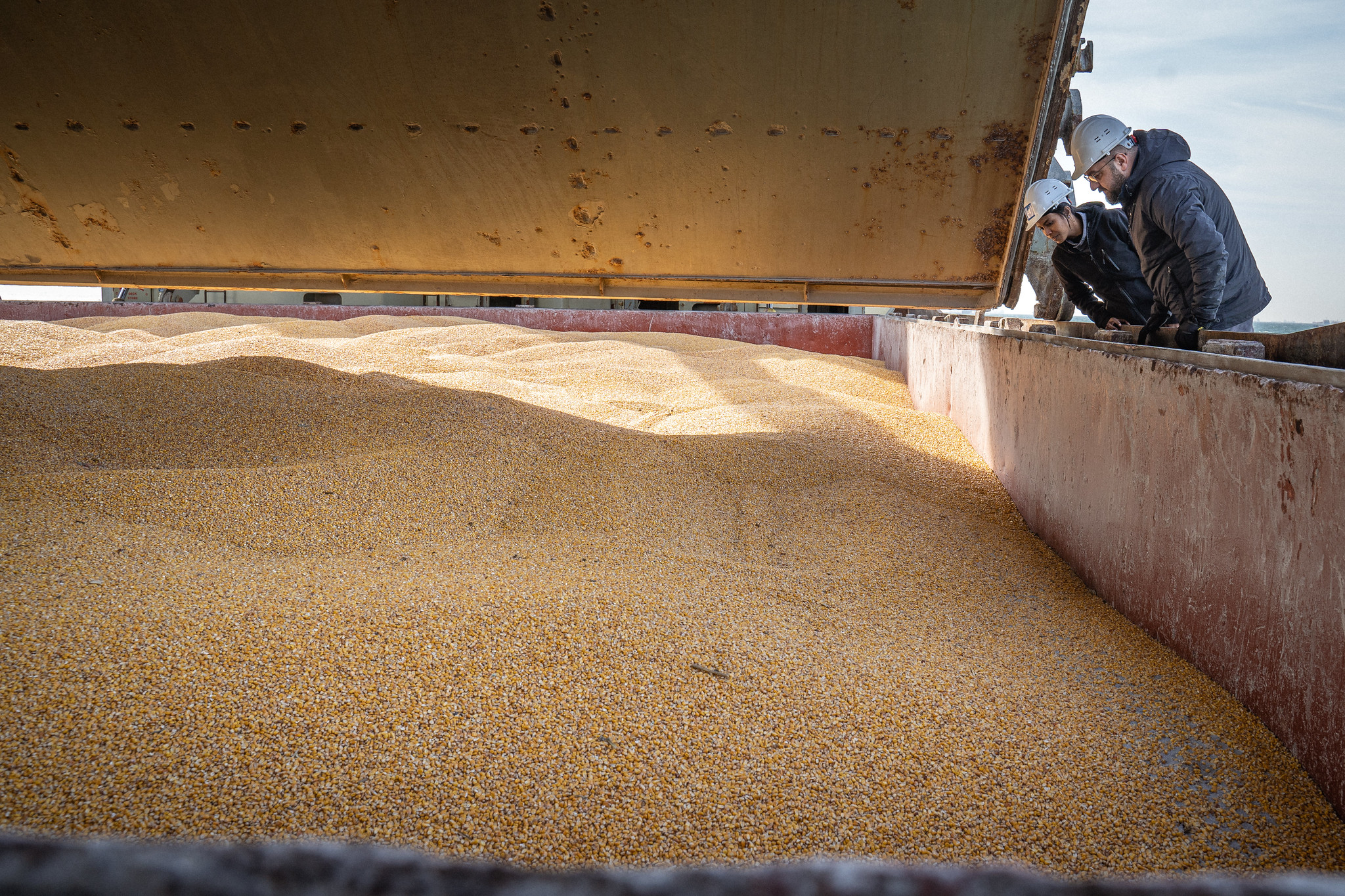
Alternative routes, such as the rail and road ‘solidarity lanes’, along with the use of river barges to transport grain up the Danube river, were helpful for restoring agricultural exports. However, these efforts have been hindered by unilateral restrictions on Ukraine’s agricultural products by EU neighbours.
Poland is one such example, fearing the shipments of Ukrainian grain might harm Polish farmers. Those worries might be allayed,
According to the World Bank, 50% of Ukraine’s pre-invasion energy generation capacity – mostly coalfired – is currently destroyed or in Russian possession.
Ukraine must further integrate into the EU single market
To implement these plans, three things are required. Firstly, there is a need for public foreign investments and war insurance mechanisms to attract private investments. So far, the World Bank’s Multilateral Investment Guarantee Agency (MIGA) has provided the equivalent of 215 million dollars in guarantees to Ukraine. Additionally, various individual governments like Japan, the UK, Norway and Belgium have established the Support for Ukraine’s Reconstruction and Economy Trust Fund (SURE TR), providing 73 million dollars in insurance capacity.
Secondly, as mentioned before, local entrepreneurs and SMEs need access to quick and flexible loans, enabling them to take the lead in stimulating local economic growth and job creation in the short term.
Thirdly, Ukraine must further integrate into the EU single market. Last June, Ukraine joined the EU’s Connecting Europe Facility (CEF), which grants Ukrainian companies and public authorities access to EU funding in sectors of mutual interest like transportation, energy and digital domains. Currently, Ukraine is implementing four priority projects through this programme, aimed at increasing connectivity.
To enhance the meaningful impact of Ukraine's integration into formal EU structures, in addition to the tools and financing mechanisms provided by the EU, supporting Ukraine's integration into both these formal structures and its informal networks, associations and professional communities would facilitate a mutual understanding of practices and contribute to the ongoing transformation of Ukraine's mindset.
Backing civil society to safeguard Ukraine’s democracy
While the security threat emerging from Russia has mobilised Ukrainian politics and created an incentive to bolster parliamentary scrutiny, parliamentary oversight remains weak. The ongoing Public Administration Reform
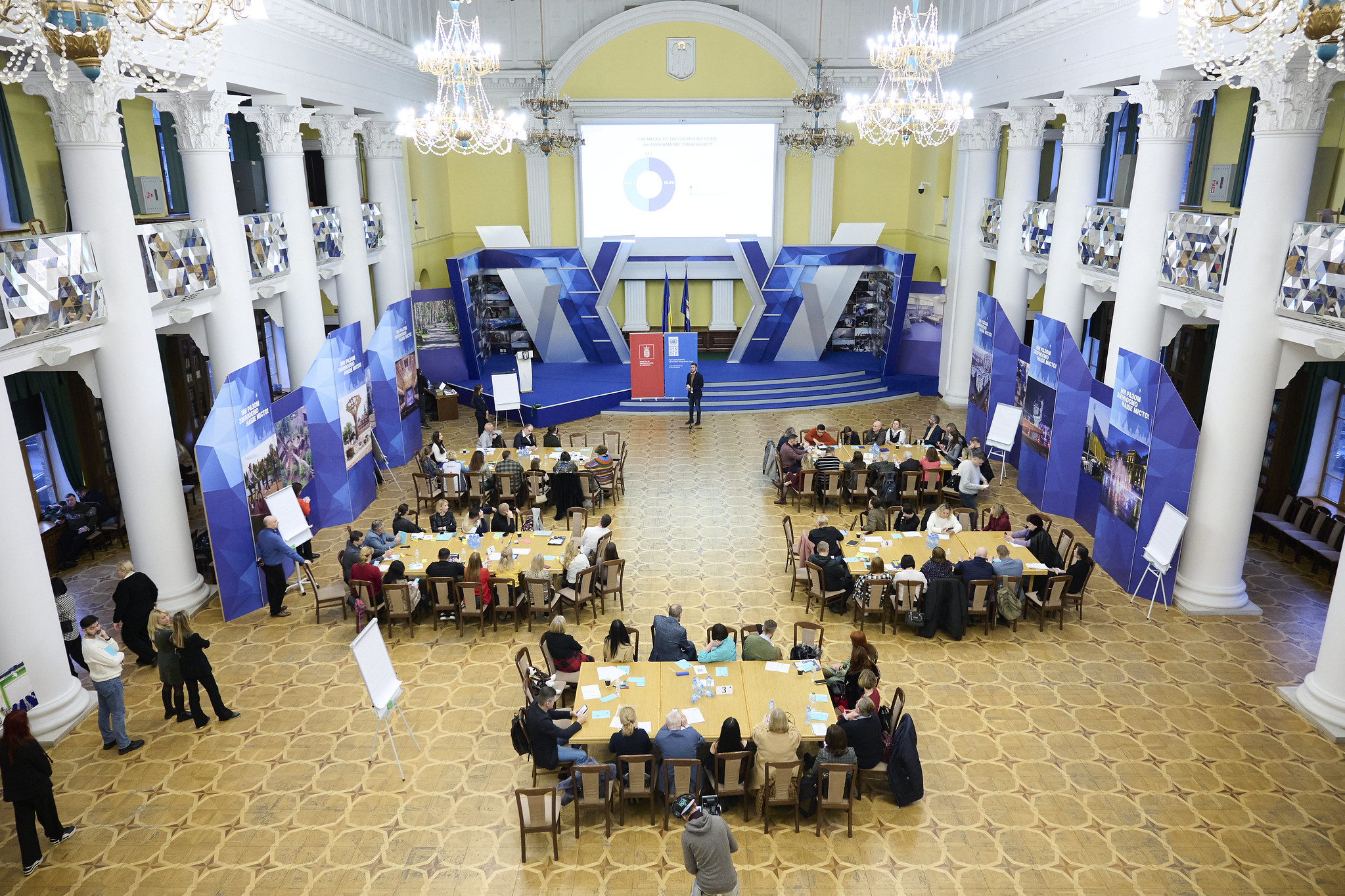
However, following the Russian invasion of Ukraine, many of Ukraine’s civil society organisations were forced to redirect their original focus areas towards humanitarian aid and advocating for military and economic support from other countries. This shift includes human rights organisations and transparency and accountability watchdogs.
The capacities of these organisations are overstretched, and they struggle to maintain their original objectives. Yet, these objectives remain crucial for holding the government accountable, both during the war and as Ukraine transitions into the postwar period. Until Ukrainian democracy is reinforced, civil society will continue to play a key role in safeguarding 'checks and balances’, thus ensuring that Ukraine's institutions remain on the path of democracy. Hence, the EU could consider ways to provide more capacity and structural funding directly to Ukrainian civil society organisations.
Countering Russian disinformation
The war has played a pivotal role in shaping and solidifying Ukraine's national identity. Russian aggression has fostered a sense of unity among Ukrainians, transcending regional and linguistic differences. Under martial law, the media landscape in Ukraine has experienced a significant shift. Following 24 February 2022, the nine largest media outlets collaborated to create a ‘United News Telemarathon’, aimed at delivering urgent news, fostering cohesion, and deflecting the risks of panic and instability arising from Russian information warfare.
While this is a common measure in a wartime situation, there are ongoing discussions in Ukraine regarding the timing and method of discontinuing the Telemarathon, given its constraints on media freedom. Nevertheless, the participating channels are hesitant to this idea due to financial concerns.
Information warfare does not stop at the Ukrainian border
Lawmakers in parliament are also hesitant, since the measure has proven very effective in decreasing the impact of Russian disinformation on Ukrainian society, and a viable alternative is yet to be found. Ukraine cannot afford pre-war societal division; it is crucial for the country’s survival to keep the population unified, while simultaneously strengthening a civic Ukrainian identity that also accommodates the country’s rich ethnic and linguistic diversity.
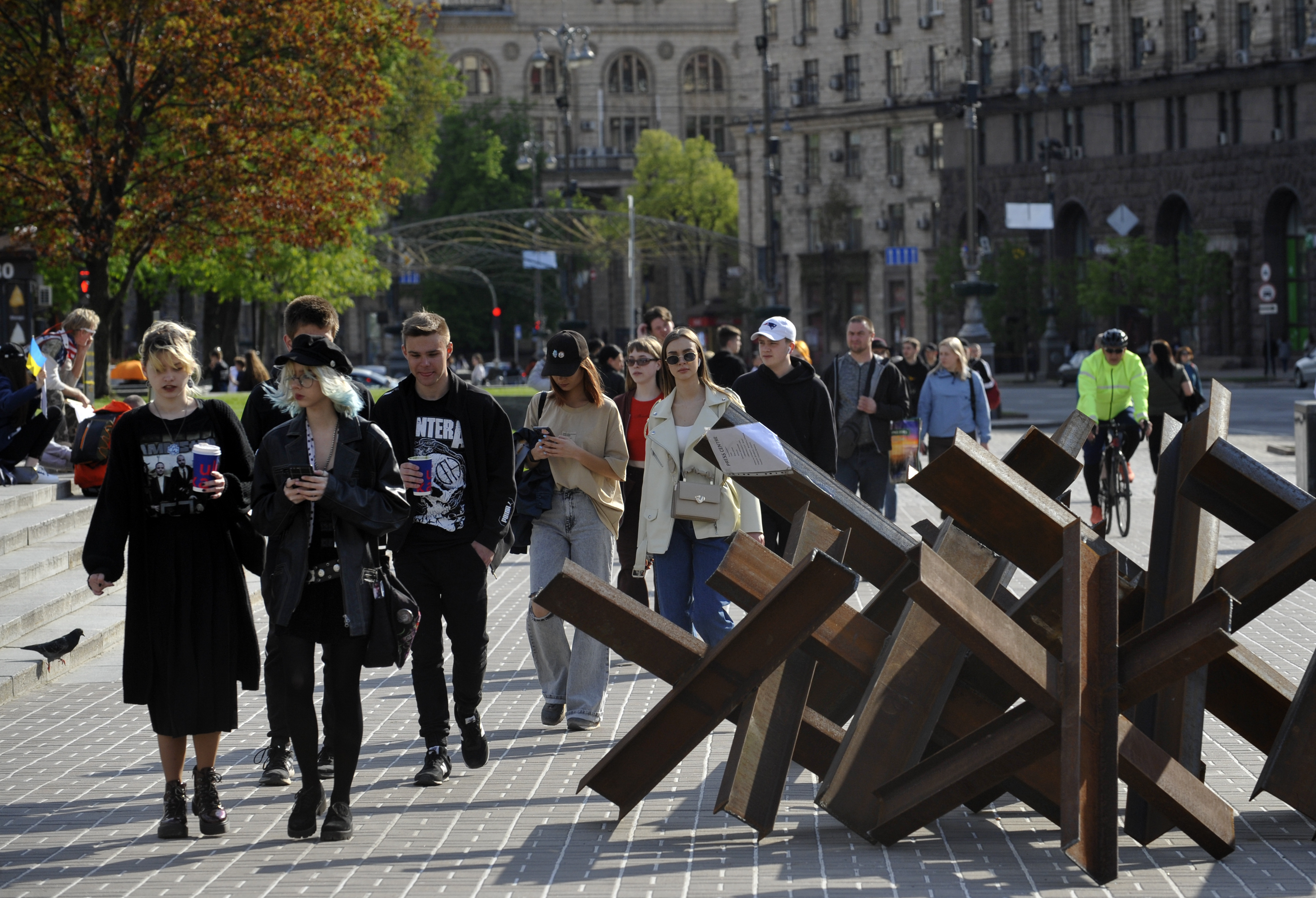
However, information warfare does not stop at the Ukrainian border. At the end of 2023, Russia launched a new disinformation campaign within the European Union, aimed at deepening societal divisions, increasing a feeling of insecurity and lowering support for Ukraine.
Between hope and fear
Overall, Ukraine’s resilience rests upon four pillars: its defensive capacities, a robust economy, a strong civil society, and a united and well-informed population. Confronted with Russian aggression, Ukrainians have shown strength and resilience in the past years. Despite, and because of, the war, the country is reforming and progressing towards a European, democratic future.
However, Ukrainians live between hope and fear. Which of the two will be victorious, will be in part determined by the support of other European nations, the United States and Ukraine’s partners around the world. The recent approval of the military and financial support package by the American House of Representatives should not diminish the urgency within the EU to sustain its support to Ukraine. After all, Ukraine’s success remains strategically vital for the European Union, as the EU’s decisiveness and backing of Ukraine’s interests impact its influence and global reputation worldwide.





0 Comments
Add new comment