


The silent catastrophe: Sudan's continuing hunger crisis

For more than a year, two crises have dominated global headlines: the war in Ukraine and the escalating conflict in the Middle East. Yet, away from the limelight, a third crisis has been killing more civilians than the other two combined: the conflict in Sudan. Recent calculations reveal a grim reality: without an urgent ceasefire and a drastic increase in food aid, up to six million people could die within the next year and the spectre of widespread hunger looms for at least two more.
A crisis long in the making
Wedged between the Sahara desert in the north and the greenery of South Sudan and Ethiopia to the south, Sudan’s degrading semi-arid landscapes offer a precarious livelihood for many of its almost 50 million inhabitants. Diets are largely grain-based: rural communities rely on locally grown sorghum and millet, while the urban population mostly depends on imported wheat. Traditionally, farmers could store surplus harvests from fruitful years to sustain them through droughts. However, as arable land has become scarce and soils have become depleted, this buffering mechanism has been affected.
After Sudan lost most of its oil revenues with the independence of South Sudan in 2011, its economy went into a tailspin. A spike in inflation in 2013 led to protests that were violently suppressed. Further pressure on Sudan’s coffers came from a severe drought in 2015. The years that followed saw increasing inflation and scarcity of fuel and bread.
The war has had an enormous impact on Sudan’s food security
By 2018, widespread popular discontent reached a breaking point, leading to the overthrow of Sudan’s long-time military ruler, Omar al-Bashir, in April 2019. The transitional government that took over inherited a deeply troubled economy as well as an ambiguous relationship with the military. In 2021, a military coup ended this civilian rule. This was followed by increasing tensions between the Sudan Armed Forces (SAF) and the Rapid Support Forces (RSF), a paramilitary group with roots in the infamous Janjaweed militia responsible for the genocide in Darfur in 2003.
In April 2023, these simmering tensions erupted into open conflict between the RSF and SAF in the capital Khartoum, spreading rapidly across the country. By now, about three million people have fled Sudan, while another eleven million are displaced within its borders. The economy has come to a near standstill: major factories in the Khartoum have shut down, much of the oil infrastructure has been damaged and transport across frontlines has become nearly impossible.
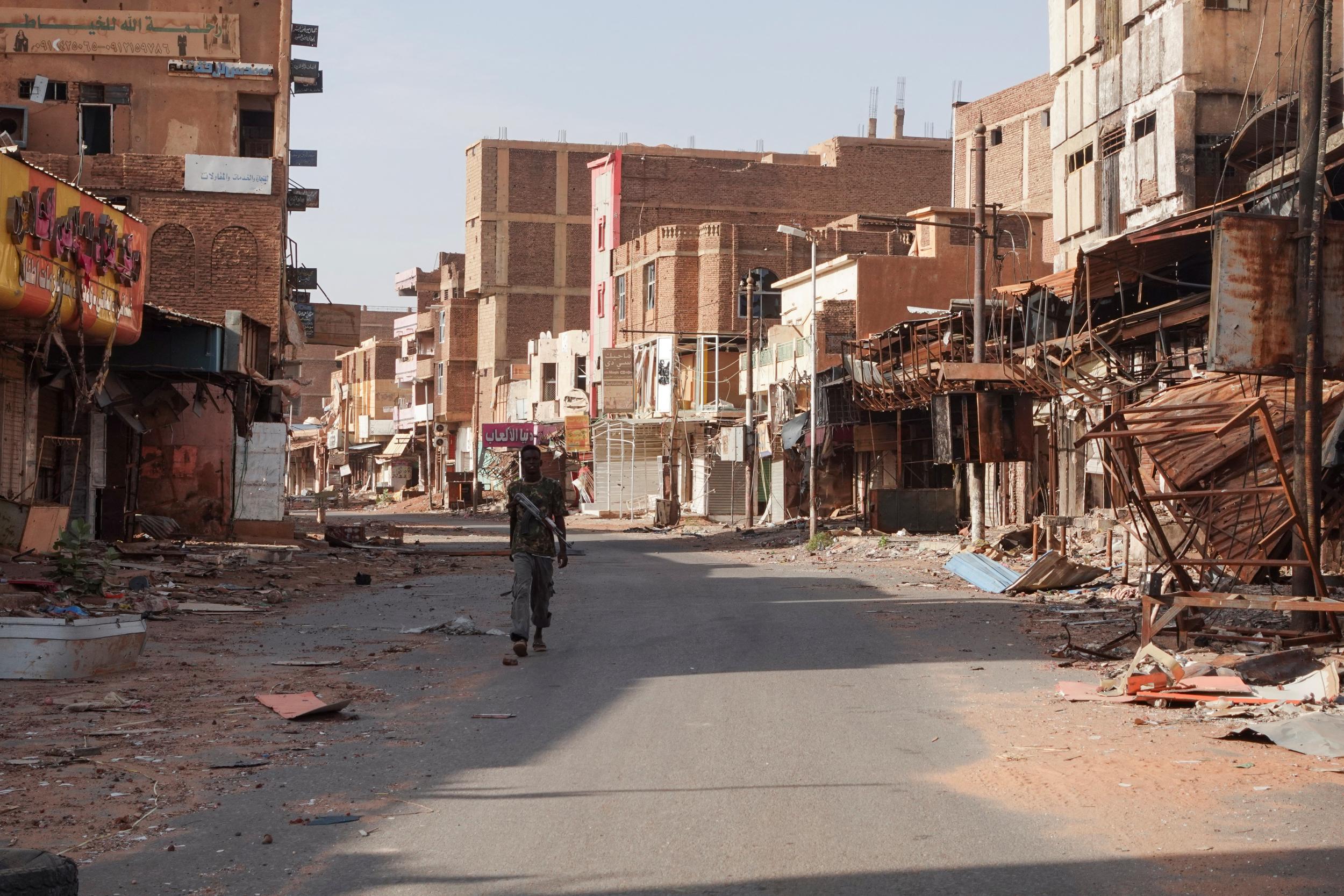
From war to hunger
The war has had an enormous impact on Sudan’s food security. Wheat imports have dropped to less than half of pre-war levels, and the large wheat mills in Khartoum are out of operation. The 2023 harvest was about 40 per cent below average, and – despite good rains – the 2024 harvest is not expected to be much better.
By late 2023, it already became clear that Sudan was facing a catastrophe of untold proportions
Already before the conflict began, food insecurity was rising steadily each year. The estimated number of people facing a food shortage during the annual ‘hunger season’ from June to September – just before the October to January harvest season – more than tripled from 3.4 million in 2017 to 11.6 million in 2022. Since the war’s outbreak, this number has surged, with 20.3 million people affected in 2023, and an estimated 25.6 million people were expected to face hunger in the 2024 season.
From hunger to death
By late 2023, it already became clear that Sudan was facing a catastrophe of untold proportions. Just two months after the harvest, reports emerged from within Sudan describing people resorting to eating leaves to survive.
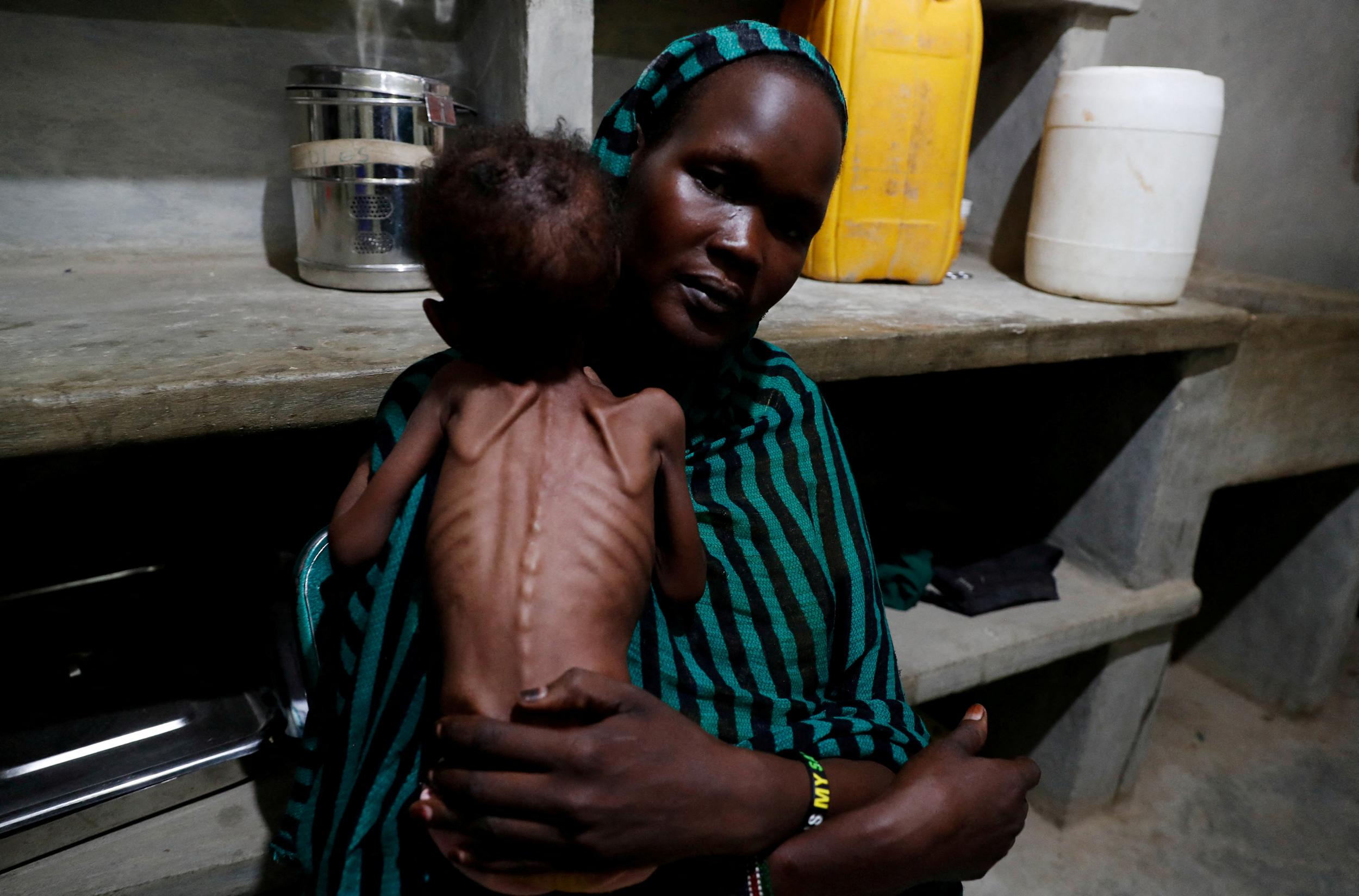
In February 2024, a Clingendael Policy Brief warned of impending famine if the situation would not improve, underscoring the critical roles played by community soup kitchens and local traders. A subsequent Clingendael Alert projected the grim toll: it warned that 2.5 million people could die by September and that a “tipping point at which large-scale hunger transitions into large-scale death has already been reached in parts of the country in May”.
It took until August for a famine to be officially declared, although analysis of available data revealed that the threshold for famine in the Zamzam camp for internally displaced people had already been exceeded since June, with over a dozen other locations at high risk. Elsewhere, famine was not confirmed – not because of the absence of hunger, but because of the absence of data. A statement from the British government, noting that “One hundred people are dying of starvation every day in Sudan”, refers only to mortality in Zamzam camp, which hosts just one per cent of the country’s population.
Hunger leads to death not only through its severity but also its duration
By using the latest information from sources within and around Sudan, the hunger and mortality estimation model has been extended through 2027.
The need for a massive increase in food aid
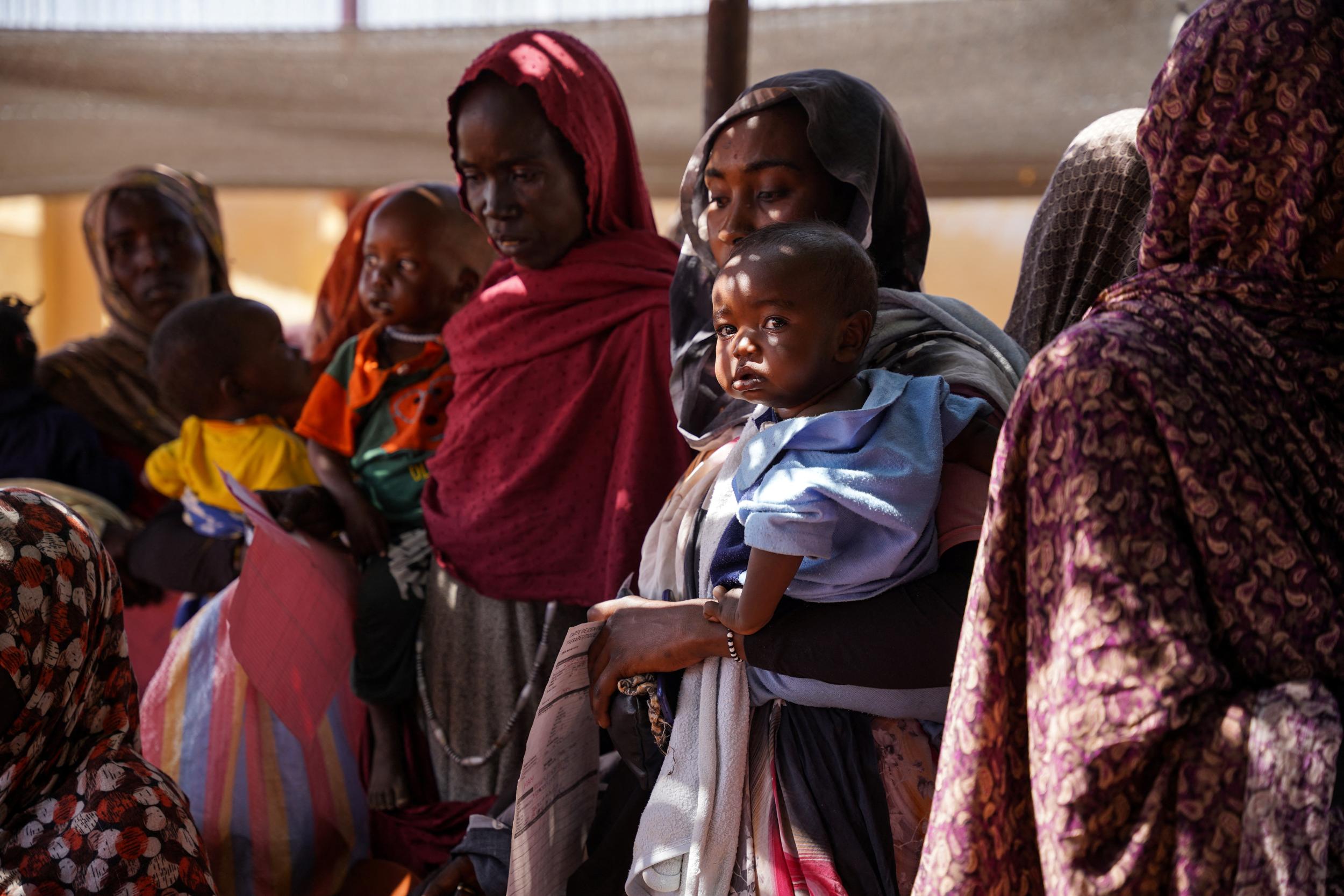
Although food stocks may have mitigated the number of deaths somewhat over the past year, this buffer has largely been used up now. Hunger leads to death not only through its severity but also its duration. Even a 35 per cent deficit in energy intake can be fatal if sustained long enough. Millions of people in Sudan are currently at this level of hunger, or worse.
There are indications that food imports will be slightly higher than last year’s levels, but that this year’s harvest is expected to be slightly worse. While the rains were good, conflict and insecurity have had a huge impact on cultivation in major farming hotspots like Gezira, Sennar, Darfur and Kordofan.
The only remaining option for adding large volumes of grain to Sudan’s food balance for 2025 is to massively scale up food aid
With consumers facing severely limited purchasing power and numerous logistical and financial challenges hindering food distribution, grain importers seem to have reached the limits of what makes economic sense for them. The only remaining option for adding large volumes of grain to Sudan’s food balance for 2025 is to massively scale up food aid.
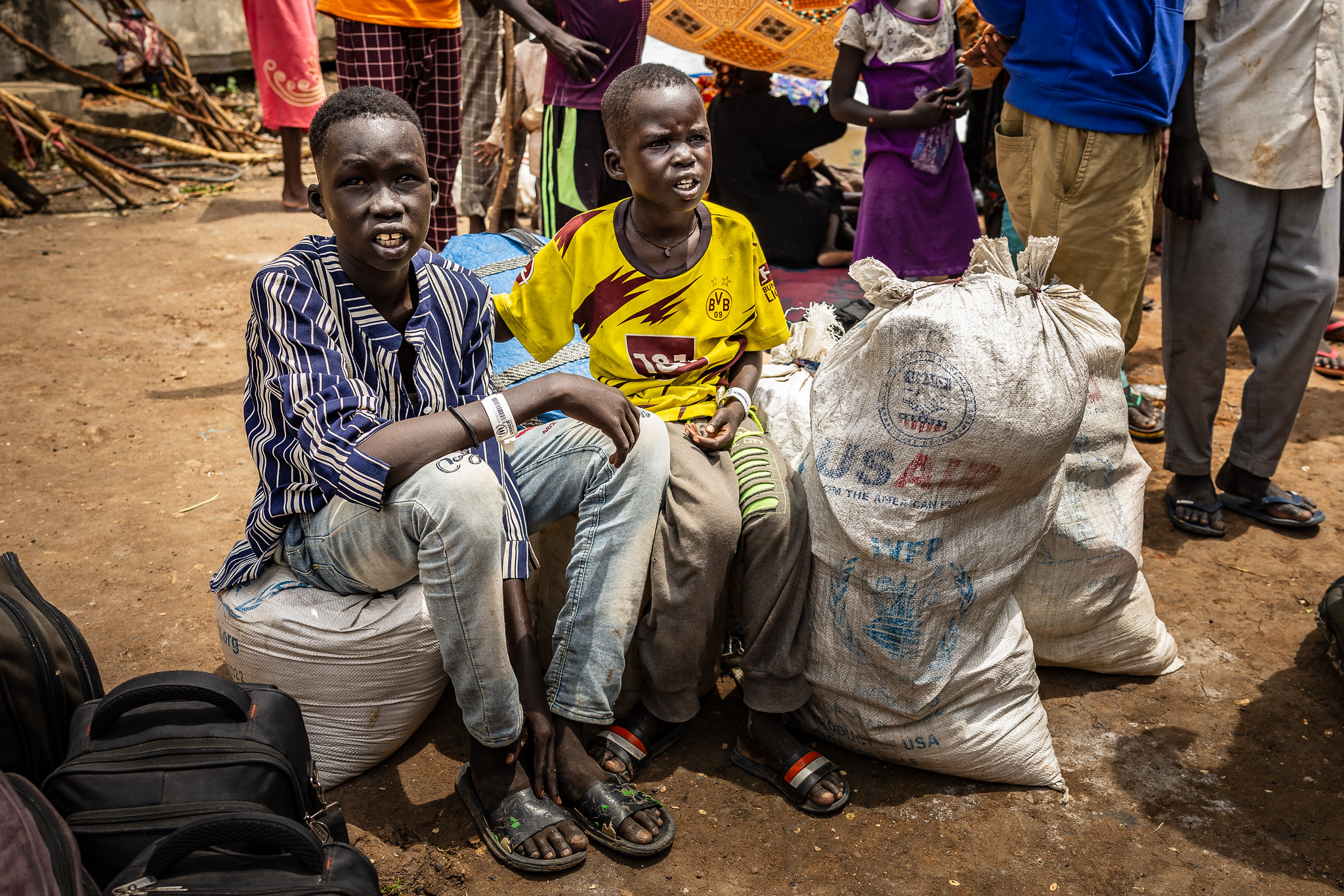
If the amount of imported food aid stays close to its current levels, almost 6 million people could perish from hunger and disease by the end of the 2025 hunger season. To minimise the number of deaths, food aid imports – which are currently estimated to be under 200,000 metric tons annually – must rise to over 800,000 metric tons per year.
Beyond 2025: the urgency of peace
The key to stopping hunger in Sudan in 2026 and beyond is rapid economic recovery. This can only happen if the war ends before the start of the next planting season in June 2025. With the return of peace, Khartoum’s wheat mills can be put back into use, financial systems and input supply chains can recover, purchasing power will increase, farmers will be motivated to reinvest in their land and traders will be able to increase food imports.
Sudan’s hunger crisis is set to reach catastrophic levels in the coming hunger season
Even if hostilities end by June 2025, Sudan will still need about 800,000 metric tons of food aid in 2026 and 400,000 tons in 2027 to minimise the number of deaths. Hunger will still remain widespread for several years, but it does not need to be fatal. However, if the conflict continues unabated or worse, escalates further, both food production and imports would stagnate, requiring very high levels of food aid to prevent mass starvation.
Stopping starvation in Sudan
With its remaining food buffers nearly exhausted, Sudan’s hunger crisis is set to reach catastrophic levels in the coming hunger season. It could claim nearly six million lives in the next year, and another million in the years after. This will likely lead to millions more people fleeing the country.
The only way to avoid this disaster is through rapid economic recovery, which hinges on a swift end to the conflict. In the meantime, a substantial increase in food aid is urgently needed. This is not cheap, but this assistance would represent only a fraction of what is currently being spent on the crises in Ukraine and the Middle East.




2 Comments
Load comments
Emotional reflection
Hi I read about people in Africa died of hunger as a result of wars in my first year of study in international relations. Food supply is there but obstructed. This moved me a lot because people could lose their lives by choice but also by something unrelated to their choices w no threat. The cause is food insecurity. Although one of future interests is security in Africa, this article is good at highlighting the impact on food supply on a massive scale. This strengthen my wish to improve the situation as i learn more in university.
Male reap in Congo
Hello I wish to ask about the story from refugees who have given in to advocate for human rights against male victims of sexual violence?
Add new comment