


Rwanda 25 years on: a future in the shadow of the past

Between April and July 2019, Rwanda marked a quarter of a century since one of the most destructive genocides in recent memory nearly wiped out the country’s Tutsi Population. What path has Rwanda taken in attempts to rise from the horrors of genocide? What can we make of post-genocide governance and reconstruction politics over the last twenty-five years?
It is generally estimated that within a period of roughly 100 days, some 800,000 to more than 1 million Tutsi, but also Hutu opposed to the ideology and policies of the ruling MRND party and allies were killed, many after subjection to the most atrocious forms of torture. The genocide that effectively started just after the downing of President Habyarimana’s plane on 6 April 1994 took place within a context of civil war opposing governmental forces to rebels of the Rwandan Patriotic Front/Army (RPF/A) that had started nearly four years earlier.
The remembrance period (Kwibuka) was, like every year, concluded with a rather muted celebration of Rwanda’s independence from Belgium on 1 July 1962 and a more pompous Liberation Day (Kwibohora) on 4 July, marking the official end of the civil war and genocide; after the RPF captured Rwanda’s capital Kigali. Dynamics around these two celebrations, in many ways, reflect the meandrous path Rwanda has taken in attempts to rise from a loaded history of divisions, the devastation of the civil war and the horrors of genocide. More importantly, these celebrations mirror the RPF’s mark on post-genocide governance and reconstruction politics over the last twenty-five years.
Shaping and reconstructing
After defeating governmental forces, sending them in exile, the RPF had the upper hand in shaping post-genocide governance and reconstruction politics. Mindful of the necessity to gain global trust and solidarity in mobilising much needed resources for the reconstruction process, the RPF decided to follow the spirit of the Arusha power-sharing agreement, signed roughly one year earlier, by inviting political parties that did not actively support the genocide to participate in a Unity and Reconciliation government. For an organisation whose governance ideology and worldview were shaped and hardened at the battlefield, the characteristic compromises inherent to any power-sharing arrangement proved burdensome. Over the years, the RPF erected a model of consensual politics that resulted in the sidelining of dissenting figures with alternative political projects and governance philosophies.
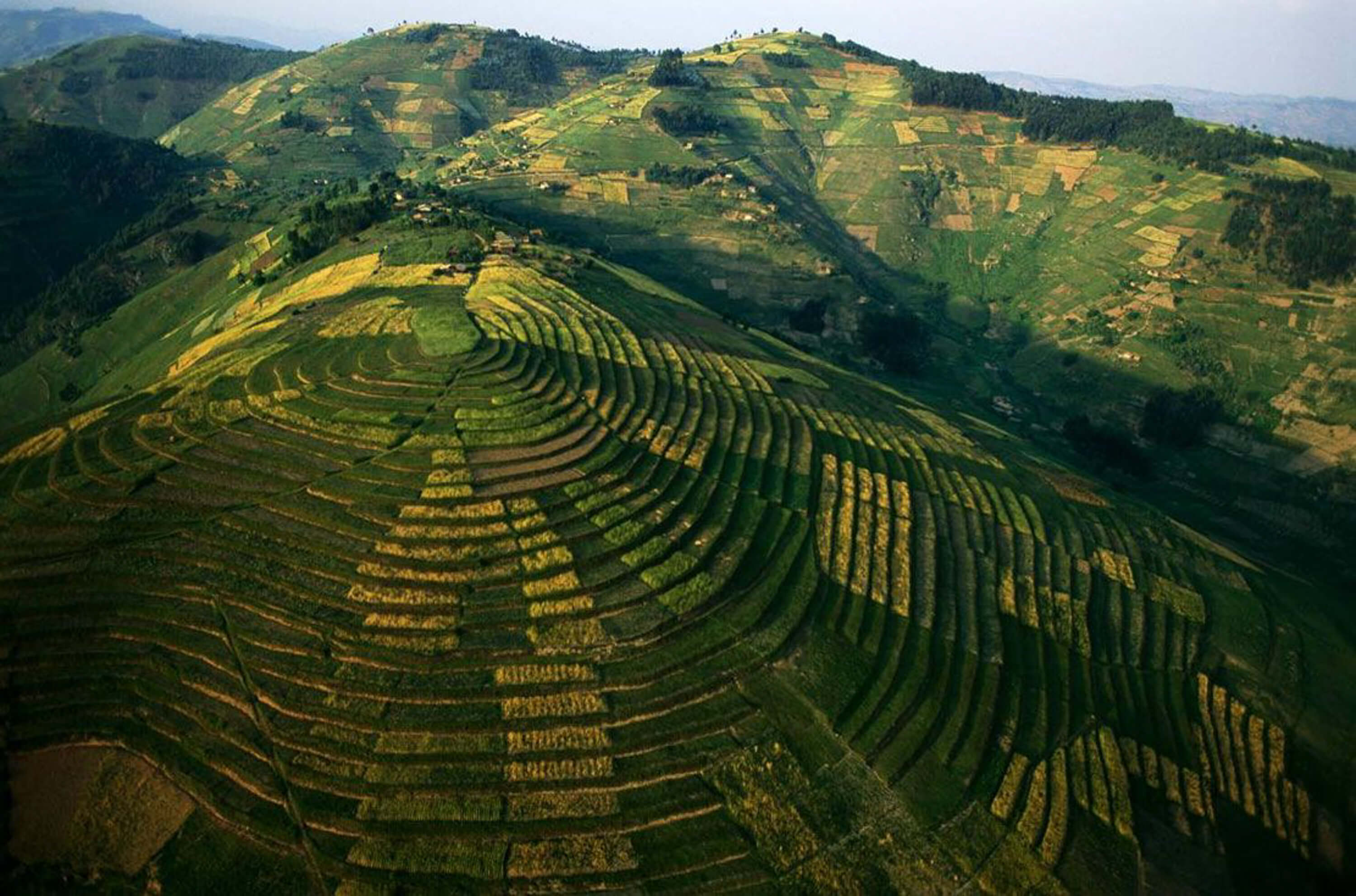
Key to an understanding of the governance model erected in Rwanda over the post-genocide years is to comprehend the RPF’s reading of country’s history leading up to the civil war and the genocide. Central to that reading is an idealised and romanticised precolonial Rwanda inhabited by an integrated people. The Hutu, Tutsi and Twa shared the same language, clan affiliation, cultural practices and were therefore more social classes than ethnicities as often described. Their relatively peaceful society was shaken by the colonial encounter.
The Abanzungu – whites/colonisers - fenced the porous boundaries between the Hutu, Tutsi and Twa labels. The institutionalisation of these identities into races, tribes and, later, ethnicities shaped the divisions that characterised the decolonisation process and paved the way for a cycle of conflicts since the 1960s with the Inyenzi attacks and, the genocide. Post-genocide narratives around unity and reconciliation therefore carry the idea of looking back at that pre-colonial society for inspiration in building a more peaceful and harmonious future; moving away from the Abazungu legacy. In concrete terms, post-genocide governance philosophy may be captured through three broad pillars: (1) recreating Rwandan-ness, (2) reclaiming dignity through, (3) empowerment of the Rwandans particularly in the socio-economic sphere.
The idea of breaking away from the colonial legacy of institutionalised racial/tribal/ethnic divisions along the Hutu, Tutsi and Twa identities and building a more cohesive Rwandan society transcending these divisions can be traced back to the RPF’s armed struggle. Mending the social fractures caused by divisions introduced between members of a once-united Rwandan family (imbaga y’inyabutatu) through a unity and reconciliation agenda was a recurrent theme in RPF narratives as evidenced by the movement’s songs of liberation.
Rebuilding a nation
Over the last twenty-five years, Rwanda has embarked on a radical path of recreating a new socio-political reality by (re)building a nation in a strict Andersonian sense of an imagined (and, more ambitiously, united) political community.
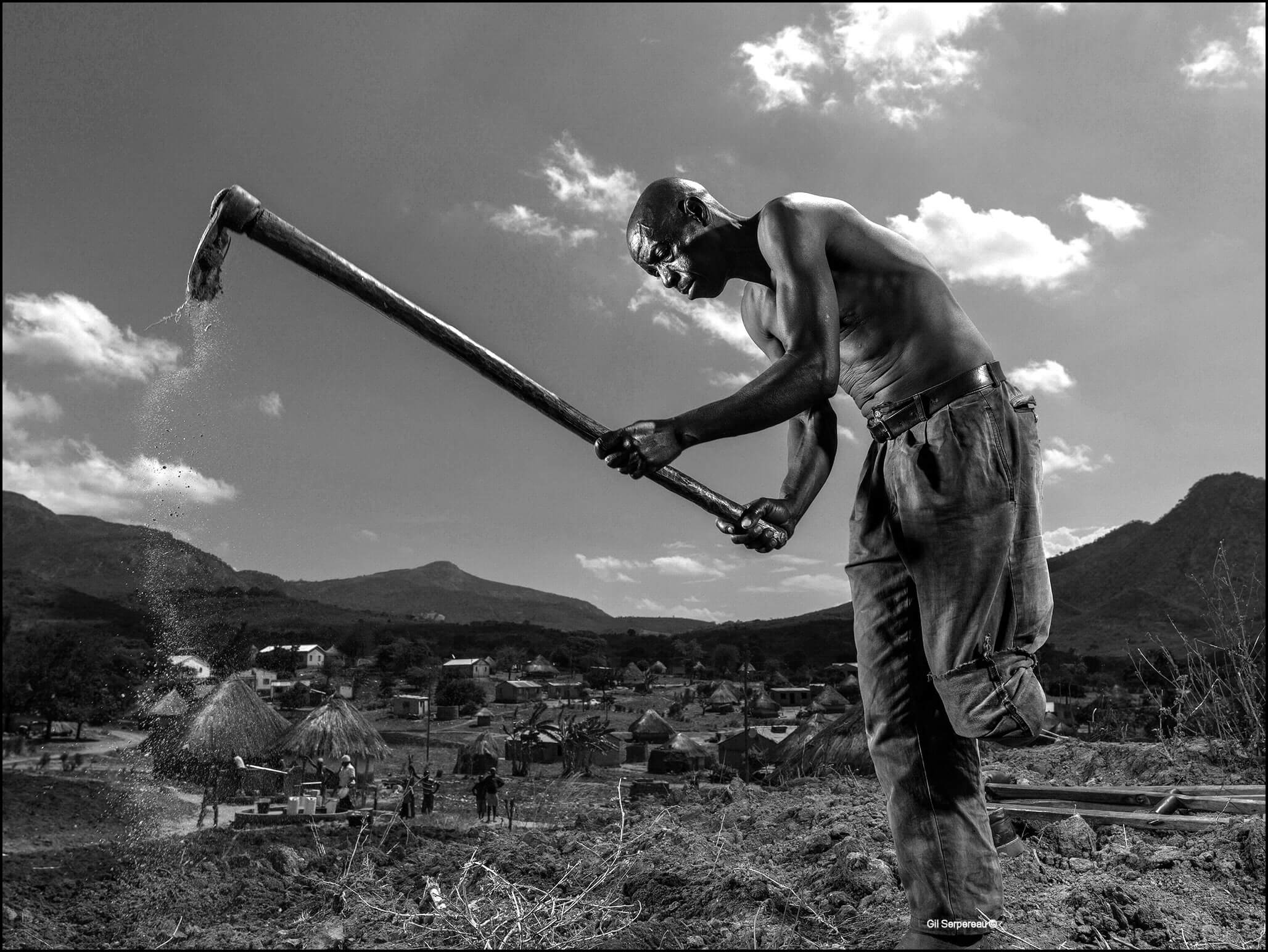
The Ingando solidarity camps of early post-genocide years, and the current Itorero ry’Igihugu or civil education programme have been platforms for ideological training as they are spaces for proximate social interactions and bonding. The same applies for the monthly Umuganda (community work), whereby the work performed is increasingly as important as the exchanges that follow, aimed at fostering community dialogue and promoting governmental policies at grassroots level. Other programmes, policies or institutions include: Ubudehe (local collective action/ mutual assistance), Abunzi (mediation committees), Urugerero (national service), Girinka (one cow per poor family), Umuganura (harvest day), Imihigo (performance contracts), Umushyikirano (National Dialogue forum/council), Abarinzi b’igihango (guardians of the Covenant/sacred Pact), Akagoroba k’ababyeyi (parents/mothers evening).
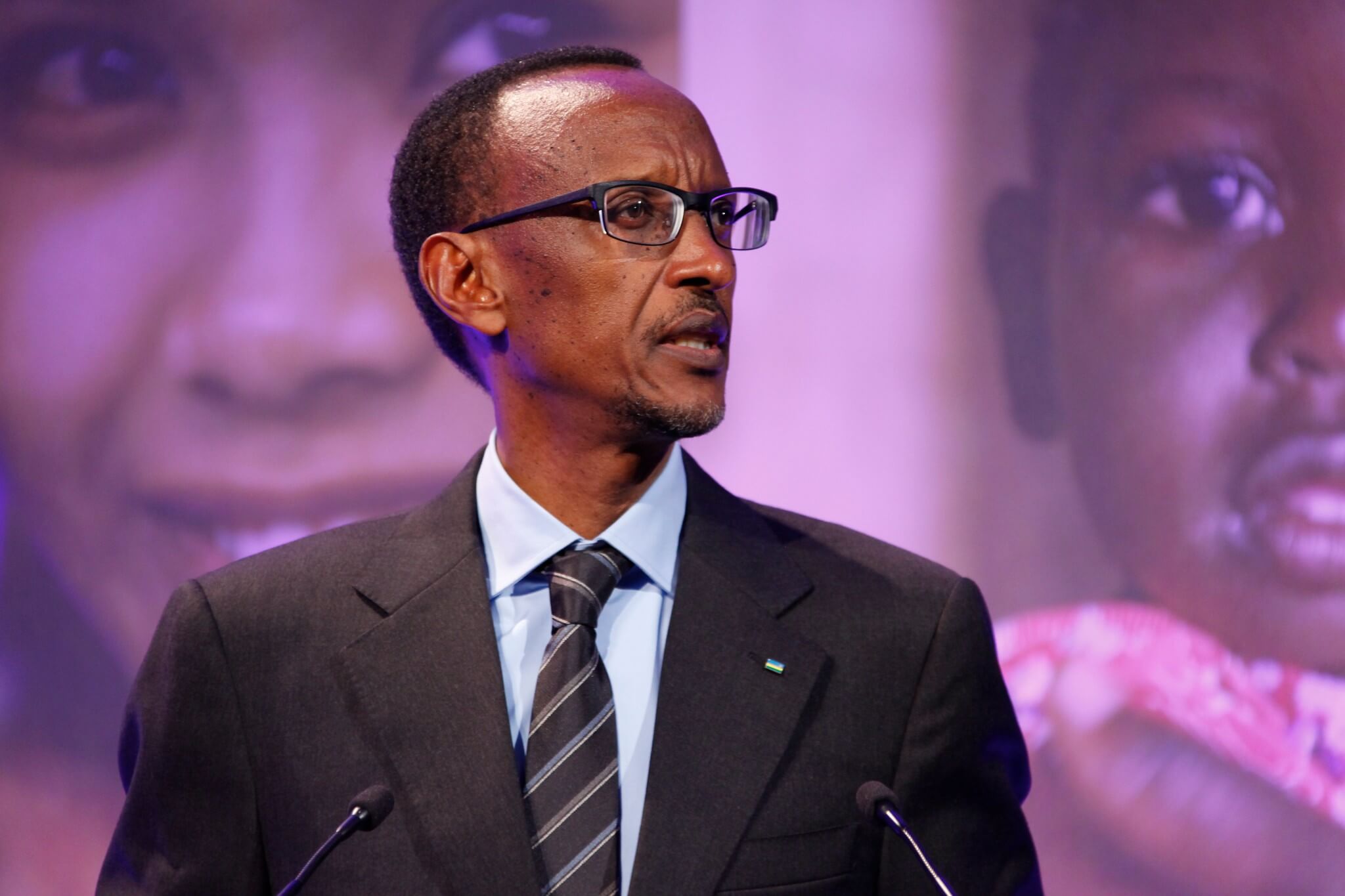
Recreating a Rwandan identity through these programmes and a reinvention of Rwandan traditional values (indangagaciro z’umuco nyarwanda) - is considered a central pillar in reclaiming dignity. Dignity (Agaciro) – carrying also the notion of self-worth - is a concept often used in Rwandan officialdom, most prominently by the country’s leader President Paul Kagame. Most symbolically, in a speech to Rwandan diaspora gathered in London in 2013, he stated: “if you respect yourself and respect others, others will respect you in return. Diminishing yourself undermines your dignity. We may well receive donor support [for our development] but no one can ever donate agaciro/dignity to you”.
Reclaiming dignity
The Rwandan government and Rwandan civil society have considerably benefitted from international (donor) support over the years. The country’s accomplishments in development owe much to that support, even if Rwandans authorities have constantly insisted on driving the agenda. Breaking away from the characteristic inequality and dependence, including conditioned aid, underpinning that relationship is the teleological goal pursued by various social, cultural, political and economic policies undertaken over the years. Informed by a sense of agaciro, the various institutions, programmes and policies drawing inspiration from Rwanda’s past, described above, are therefore framed in de-colonial terms.
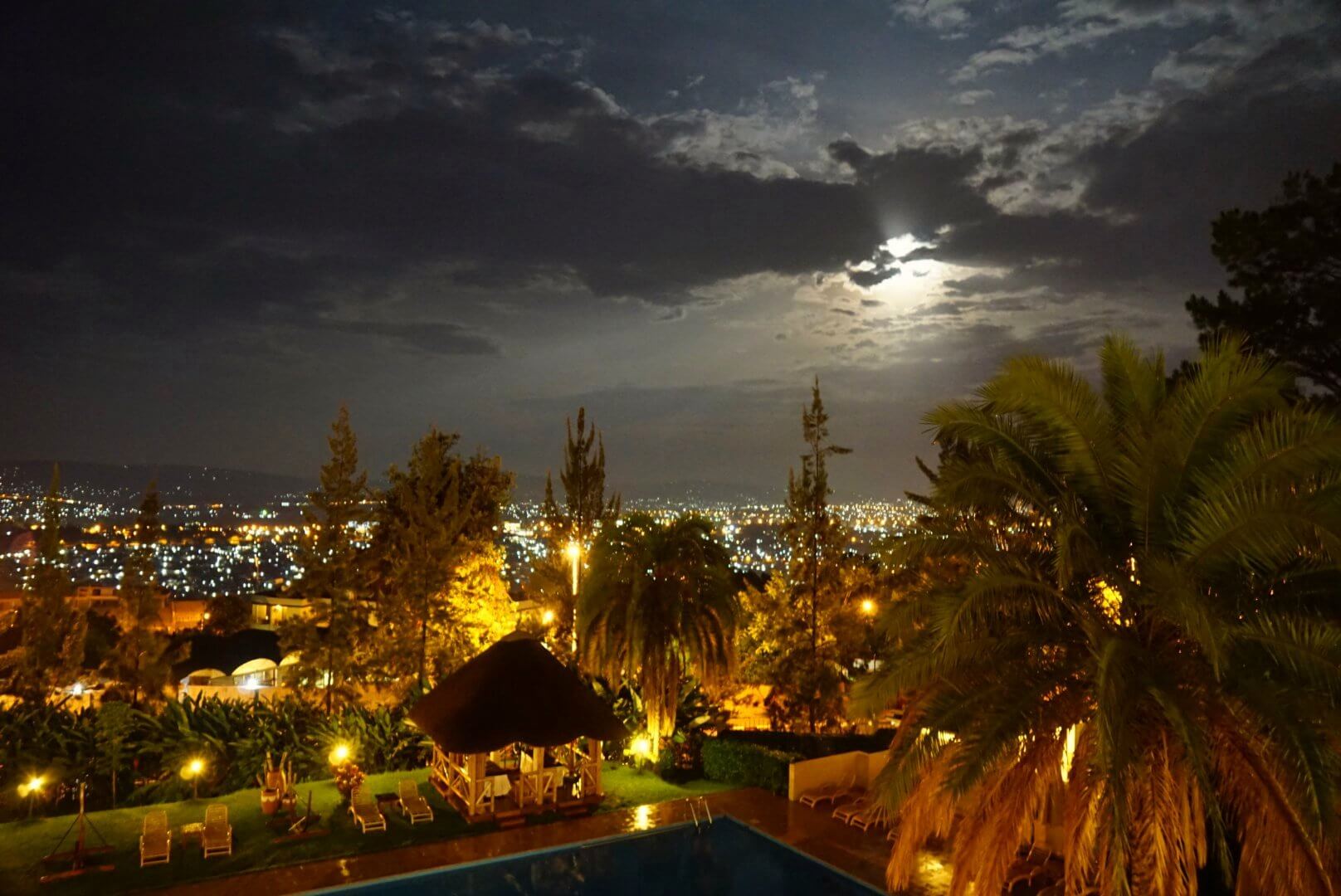
Subject to unavoidable influences from elsewhere any society faces in a globalizing world, restoration of dignity is conceived as a liberation process from hegemonic influences. The idea is that through a rediscovery of a certain Rwandan authenticity that had been buried in imposed and imported norms and institutions, society can then move forward on its own terms. Hence, inter-African and South-South cooperation, with its ups and downs, has been central to Rwanda’s long-term development vision, as evidenced by a relaxed visa policy towards all Africans, the Kigali-signed African Continental Free Trade Area (AfCFTA) and the reforms of the African Union championed by President Kagame.
Reclaiming dignity goes beyond a mere programmatic and institutional Rwandanisation, or current assertive mobilisation of symbolic, folkloric and substantive elements of Rwandan culture, including the Kinyarwanda language. The various economic programmes and reforms undertaken in the country are geared towards backing the country’s ambition of relative self-reliance and economic empowerment of the population. Emphasis on mass education, with a strong accent on science and technology, is one of tools mobilised in pursuit of an ambitious target for the country to reach an Upper Middle-Income status by 2035 and High-Income status by the 2050 horizon.
The instituted system of governance has consistently been criticised, particularly in the global West
However, the legacy of past conflicts and the genocide still weighs heavily on society today. The yearly, three-month period of commemorative events across the country and beyond offers strong reminders that the past lives in the present. Furthermore, twenty-five years after the genocide, many convicts are being released back to their communities where they live side-by-side with their victims. The long absence of convicts during incarceration further affects, in many ways, dynamics within their households whereby exercising spousal or parental responsibility after years of absence requires a renegotiation of domestic roles.
More generally, achieving developmental ambitions and catering to the needs of a fast-growing population in a densely populated country with limited natural resources remains a challenge that, even in the most optimistic scenarios, requires a long-term, consistent commitment and sustainability. Rwanda also still faces old and relatively new security threats from radical elements belonging to the defeated side who have organised over the years under various rebel movements whose most prominent current manifestation is the Democratic Forces for the Liberation of Rwanda (FDLR). The Rwanda National Congress (RNC) composed of, among others, RPF dissidents is another security threat that has also had an impact on regional politics, particularly on the current toxic relations between Uganda and Rwanda.
Since Rwandan leadership operates within a globalised environment where reality is shaped through plural agency, the achievement of the country’s socio-political and economic agenda hinges on many factors. Rwanda is increasingly considered by many on the African continent – particularly African youth - and the wider global South as a flag-bearer of an uninhibited pan-Africanism and an example to be emulated in chatting, against all odds, a relatively independent reconstruction course after a destructive conflict.
Yet, the instituted system of governance has consistently been criticised, particularly in the global West and by some opposition figures, for non-compliance with democratic ethos, particularly civil and political liberties.


0 Reacties
Reactie toevoegen