

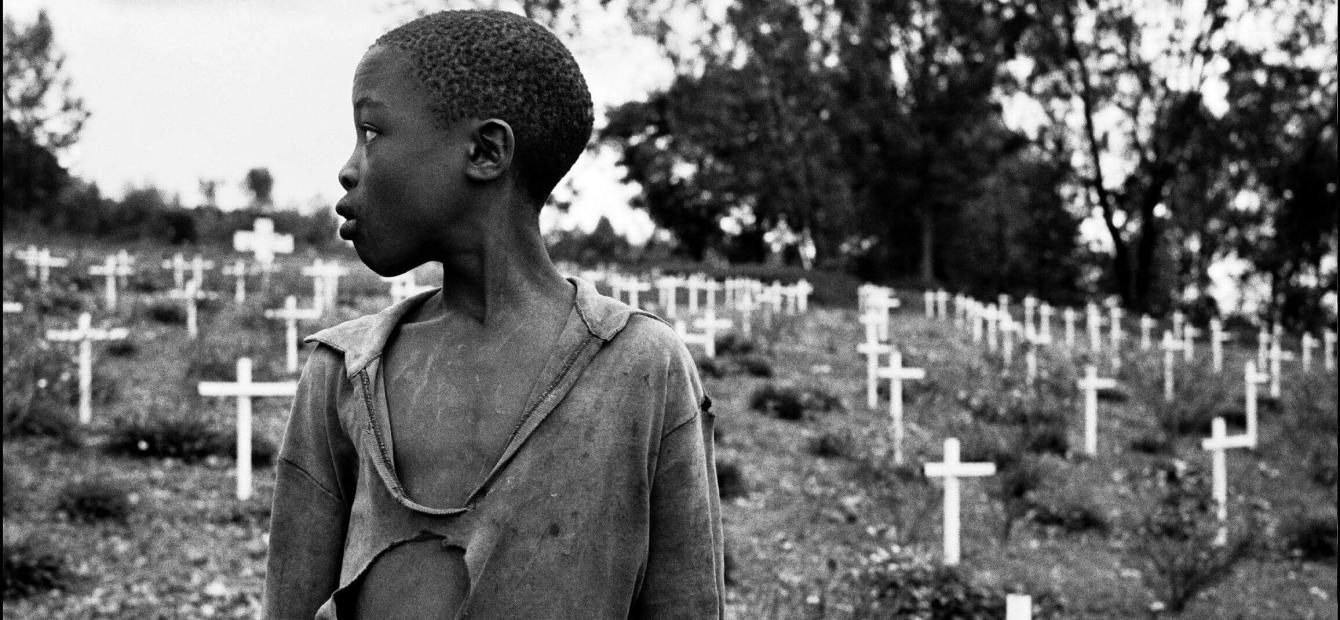
Rwanda 25 years on: International (non-)response to genocide

This year we commemorate the 25th anniversary of the genocide against the Tutsi in Rwanda. The 1948 Genocide Convention provides for the prevention and punishment of this crime. To what extent has the international community fulfilled both these legal obligations?
Before addressing this question, the very notion of “international community” must be problematised. Is this the United Nations and in particular its Security Council? Big, medium and small powers (in the case of Rwanda: the US, France and Belgium)? Regional states and multilateral organisations? International NGOs? International media? It is probably all and none of these, which complicates the question of legal responsibility and duty-bearing.
Warning signs
Since the beginning of the civil war in 1990, when the Tutsi-dominated Rwandan Patriotic Front (RPF) invaded Rwanda from Uganda, the risks the minority Tutsi inside Rwanda faced were clear. Just days after the invasion, thousands of Tutsi, as well as a few hundred Hutu opponents, were rounded up and jailed for their supposed complicity with the RPF. In some isolated incidents, hundreds of Tutsi were killed at the same time. Small-scale massacres of Tutsi continued during the following years. Hundreds were killed in January-February 1991, hundreds more in March 1992, hundreds again at the end of 1992-beginning of 1993. The mechanisms were everywhere similar: the violence was not spontaneous, but organised with central state involvement. In March 1993, an international commission of inquiry confirmed this organised nature, but fell short of qualifying the massacres as genocide, though it came close.
On the day the report was published, Belgium recalled its ambassador “for consultations” and threatened to revise its cooperation with Rwanda, but failed to follow up. The next month, Bacre Ndiaye, special rapporteur of the UN Human Rights Commission, visited the country, and concluded that “the substance of the allegations contained in the [NGO] Commission's report could, by and large, be regarded as established”.
The UN peacekeeping force United Nations Assistance Mission for Rwanda (UNAMIR) started its deployment in November 1993, not to prevent genocide but to accompany the peace agreement signed in Arusha in August. This shows in its mandate: assist in ensuring the security of the capital city of Kigali; monitor the cease-fire agreement; monitor the security situation; assist with mine-clearance; and assist in the coordination of humanitarian assistance activities in conjunction with relief operations. The protection of civilian populations is mentioned nowhere. Nevertheless, the last months of 1993 and the early months of 1994 were replete with incidents, several of which caused loss of life.
Dallaire requested protection for the informant and the authorisation to seize the weapons. The answer from New York came the next day: the mandate did not permit the planned operation against the arms caches. The UNDPKO feared that such actions would jeopardise UNAMIR’s neutrality and force it into a peacemaking rather than a peacekeeping role.
During the genocide
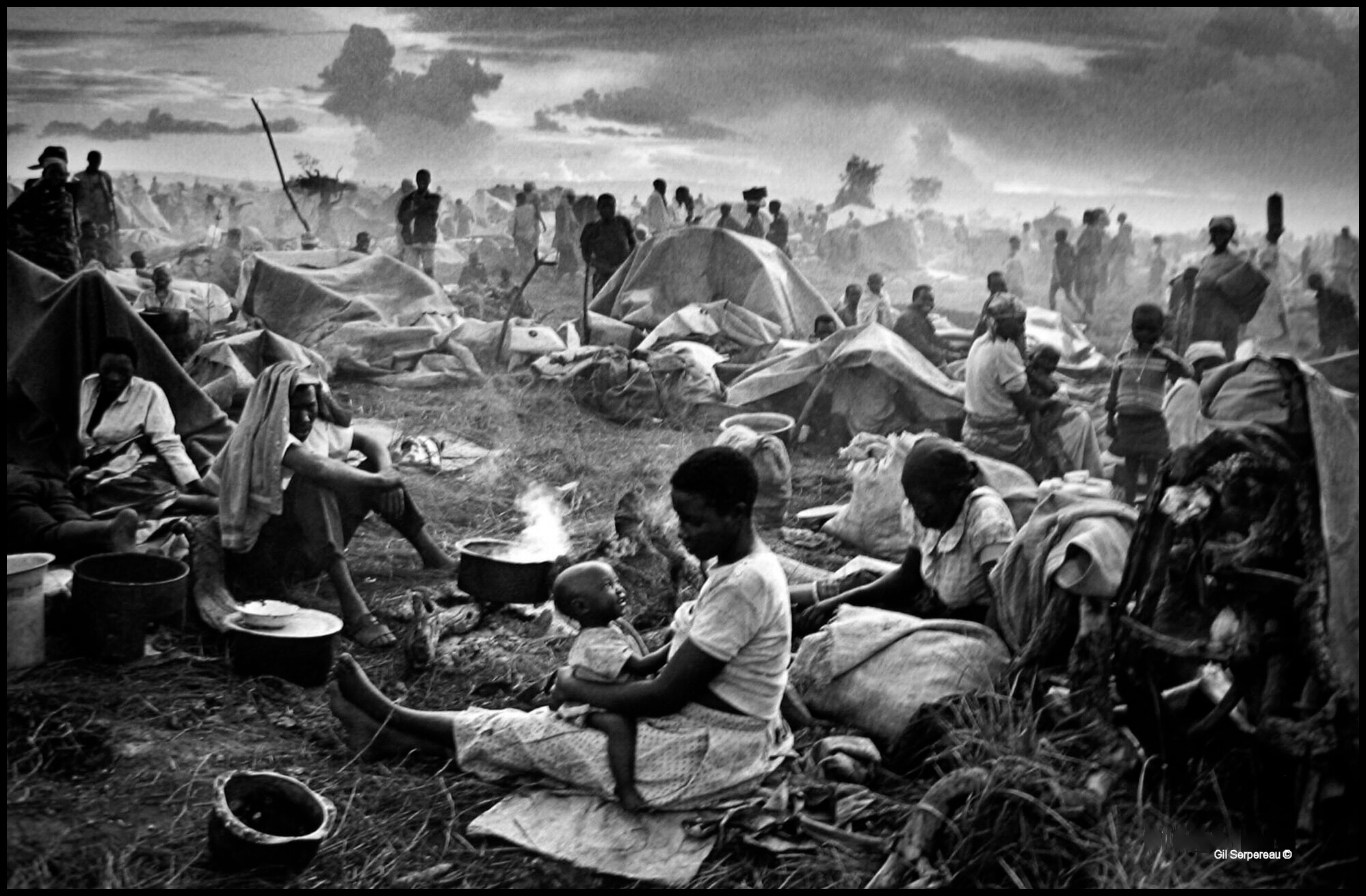
Although the reality of genocide was clear just days into the massacres, the international community responded inappropriately. On the morning of 7 April, ten Belgian UNAMIR troops were assassinated by government army soldiers. Although the Belgian government initially proposed to reinforce the peacekeeping operation through the strengthening of its mandate, the sending of additional troops and the switch from a UN Charter chapter VI to a chapter VII operation, this proposal changed after a few days following consultations with the United States. By 10 April, Belgium had decided it was to unilaterally withdraw its UNAMIR battalion, and –in an attempt to share the blame‒ together with the US lobbied the Security Council to put an end to UNAMIR altogether. On 21 April, the Security Council decided to reduce the mission to a token force of 270 (540 eventually remained). After the Somalia debacle, in which the US lost several soldiers, the Americans developed a restrictive approach to international peacekeeping.
In order to avoid the obligation in the genocide convention to intervene, international players avoided using the term “genocide” to qualify the massacres
Ironically, it is at the height of the genocide that, on 3 May, President Clinton signed Presidential Decision Directive (PDD) 25 according to which any peacekeeping operation had to contribute to US interests and had to have strong sources of funding and troops as well as clearly defined goals and a fixed date of completion.
Besides UNAMIR, French, Belgian and Italian elite troops were on the ground just days into the genocide, and a battalion of US Marines was on standby in Bujumbura, a mere 20 minutes flight from Kigali. Operating under their own flag to evacuate foreign nationals and not hindered by a restrictive UN mandate, these countries could have prevented the escalating violence from developing into genocide.
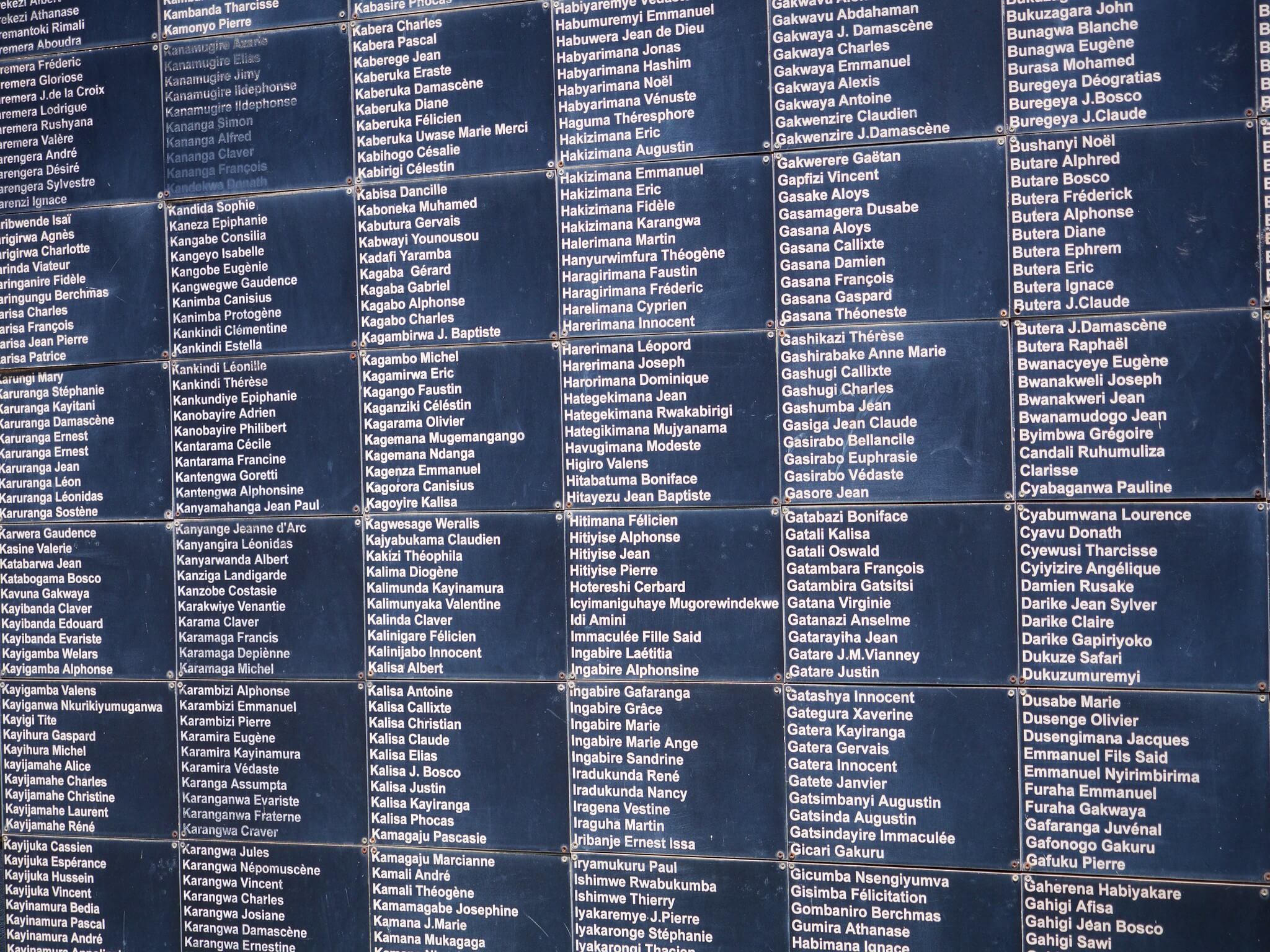
In order to avoid the obligation in the genocide convention to intervene, international players avoided using the term “genocide” to qualify the massacres. Initially, the prominent reading was that “tribal massacres” took place in a context of “chaos” caused by a “civil war” in a “failed state”, in other words, a situation nothing could be done about. It took until the end of May for UN General Secretary Boutros Boutros-Ghali to publicly acknowledge that “[i]t is a genocide (…) I have failed (…) It is a scandal”.
The main flaw was that the ICTR became an embarrassing instance of victor’s justice
Punishment
The genocide convention not only provides for prevention, but also for the punishment of the perpetrators of genocide. On 8 November 1994, barely four months after the end of the genocide, the UN Security Council established the International Criminal Tribunal for Rwanda (ICTR). Its mandate was to “prosecute persons responsible for genocide and other serious violations of international humanitarian law committed in the territory of Rwanda and neighbouring States, between 1 January 1994 and 31 December 1994”.
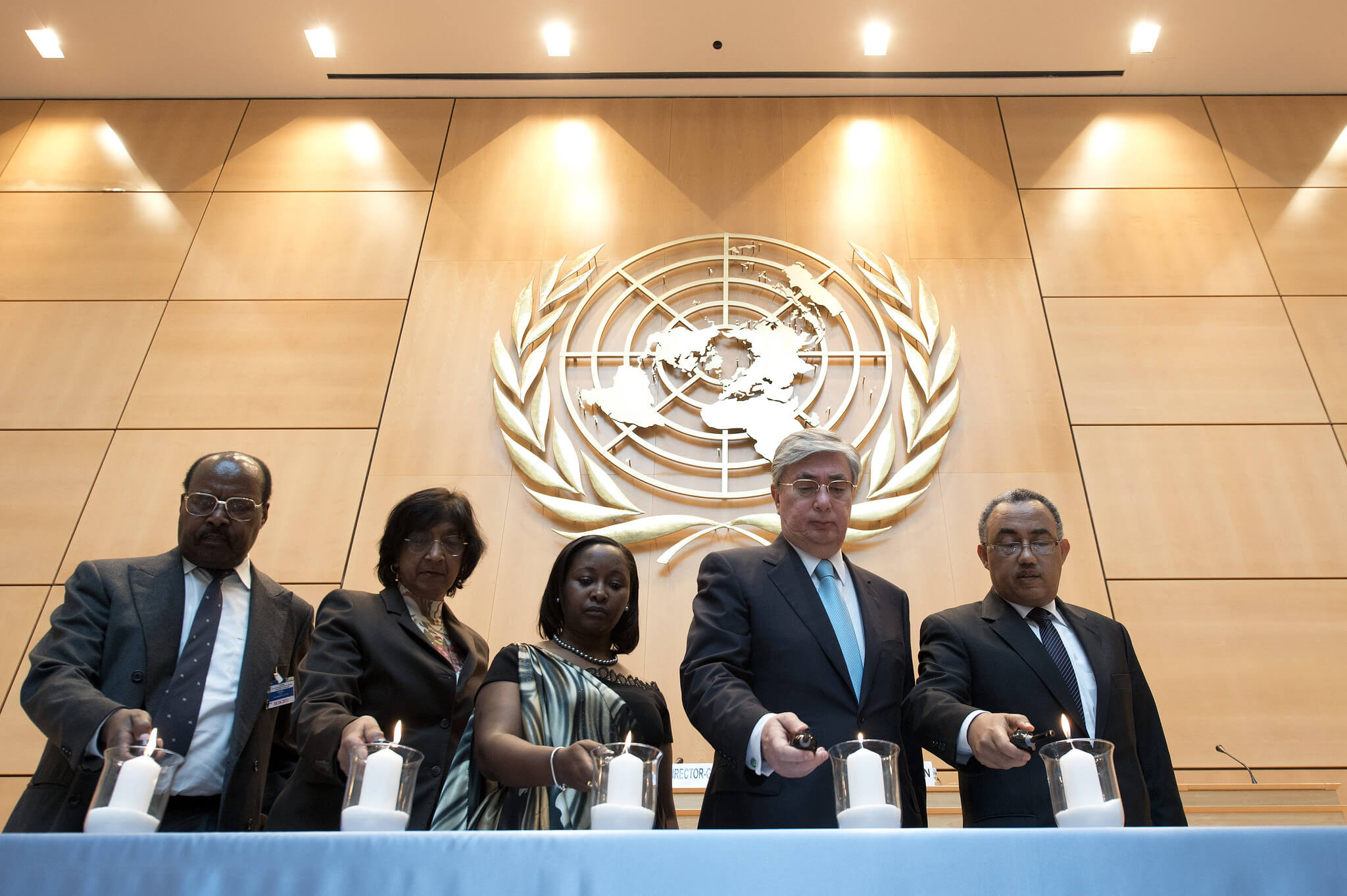
Despite its shortcomings, the ICTR has contributed to the development of international humanitarian law, beyond the case of Rwanda. It was the first international jurisdiction to prosecute and condemn genocide suspects, thus “giving life to the Genocide Convention for the first time since the treaty was adopted”.
The genocide has had a lasting impact on Rwanda and the entire Great Lakes region. Over one million people met with violent death inside the country, but the regional wars that followed between 1996 and 2003, particularly in the Democratic Republic Congo, have also claimed a huge human toll. Although Rwanda now appears a peaceful country, there is still a long road to go if it is to achieve genuine reconciliation.

1 Reacties
Load comments
Rwanda 1994
I am sorry that I cannot type in your language.
The same scenarios will occur again because clueless and self serving bureaucrats replace each other in the UN and in high positions in the USA and in other countries. Lots of narcissists and people with sociopathic qualities go into politics. We have plenty of power hungry governors, Senators , and Congress people in the USA.
In medicine I call it wishful thinking. Many people get hurt and many die from wishful thinking. The large majority of the human race does not truly listen.
The UN is a self serving organization.
Crimes will again occur.
The USA Mainstream Media invents cultures and most of their news is truly fake. The NY Times prints its opinions and usually does not give facts.
The USA is insane due to the MM . Racial relations are very good in the USA but the MM preaches the opposite.
Interesting that Bill Clinton did nothing for Rwanda in 1993-94 and in 2012 his wife as USA Sec. of State was clueless and took no action when our embassy in Benghazi, Libya was attacked. They are clueless and unconcerned and do not care to pay attention. They have no idea what misery truly is nor do they know the life of the soldier.
We have clowns and self serving selfish people that land big positions in America. The MM convinces the dull masses of almost anything. But the good citizens in America are fighting back by electing Trump. He may be rude but he tells it like it is.
Reactie toevoegen