

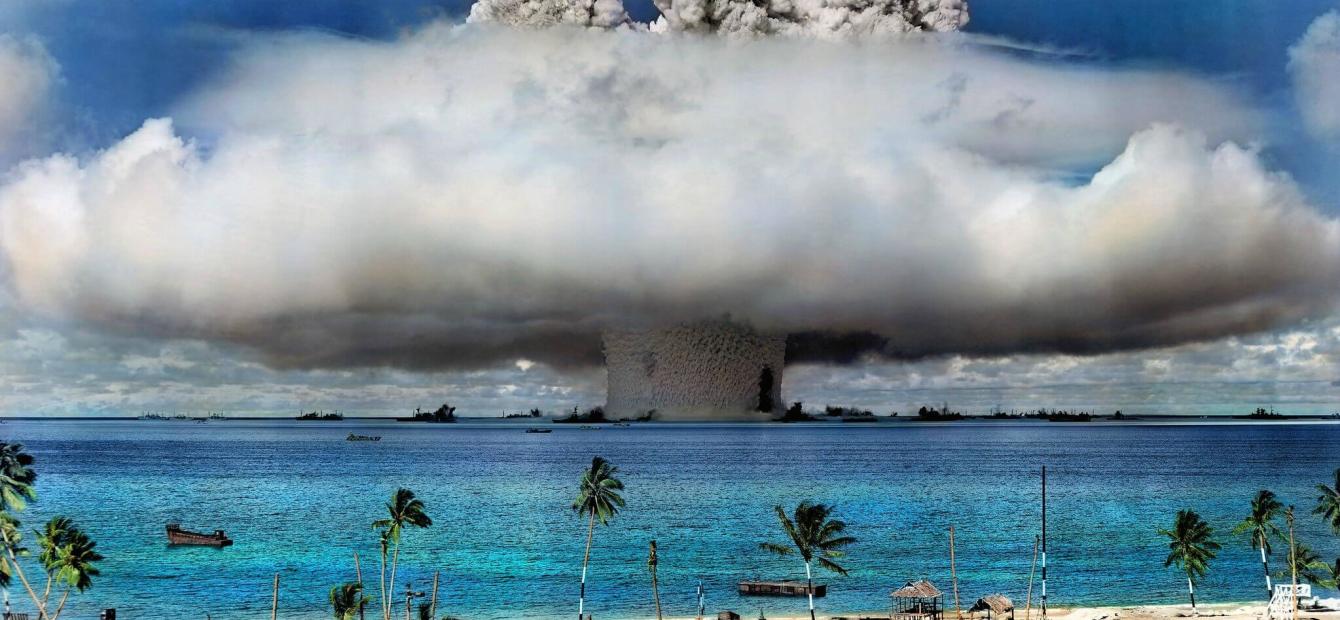
Will humans and/or machines save us from nuclear doomsday?


The idea of a human outside the loop of nuclear decision-making may appear to be far-fetched. Yet, this is exactly the idea behind numerous recent advances in nuclear security. In order to maximise the benefits and minimise the risks of both AI and human judgment, the policy debate needs to go beyond the false dilemma of humans versus machines in nuclear decision making.
In 2011, Russia announced that its automated response system Perimetr had been reactivated. Seven years later, President Vladimir Putin announced the development of the unmanned underwater vehicle Poseidon, able to carry nuclear munitions. This vehicle, once ready, should autonomously execute commands.
Russia insists that a human is always in control in both systems. Yet, Russia is not the only country attracted to the growing capabilities of artificial intelligence (AI). In the United States (US), analysts have called for an automated ‘dead-hand’: an AI-enabled system that is able to detect, decide and direct a response to an incoming attack.
By making nuclear weapons faster and more unpredictable, the time a targeted party has to detect, interpret and respond to a threat becomes severely compressed
These calls are driven by growing risks that advances in other emerging technologies – such as hypersonic gliding vehicles or hypersonic cruise missiles – severely compress the time available to respond to an incoming threat. The integration of hypersonic gliding vehicles and hypersonic cruise missiles into the nuclear arsenals of major powers is changing the nature of nuclear threats. By making nuclear weapons faster and more unpredictable, the time a targeted party has to detect, interpret and respond to a threat becomes severely compressed.
In a recent piece in the Clingendael Spectator, Sibylle Bauer notes that the rush to develop hypersonic weapons – which has spurred an arms race among the major nuclear powers – has further compressed the time it takes to make a decision ‘in real time’.
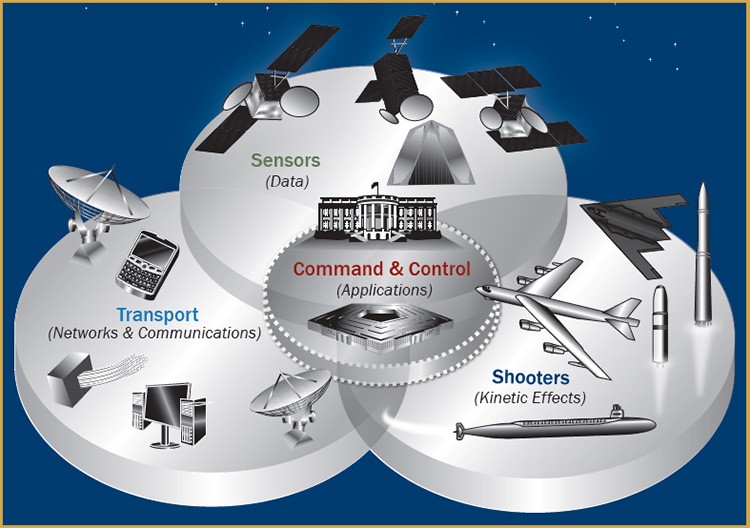
Others have cautioned against increased automation in command and control, calling an AI-enabled NC3 “a recipe for disaster”.
In order to maximise the benefits and minimise the risks of both AI and human judgment, the policy debate needs to go beyond the false dichotomy of humans versus machines. In NC3, there is room for both machines and humans. We will be better off thinking about how humans and AI will address each other’s biases.
Machine-driven command and control
The inclusion of automation in nuclear decision-making is not new. Both the US and the Soviet Union began building automatic nuclear command systems in the 1960s. More recently, advances in AI have shown promise when it comes to other features of NC3.
For instance, machine learning (a subset of AI) can add to the perceptual intelligence
This feature is particularly alluring as we think about the growing difficulties of detecting nuclear threats – and shortening the time to respond to them – associated with the growing integration of hypersonic technologies into nuclear arsenals.
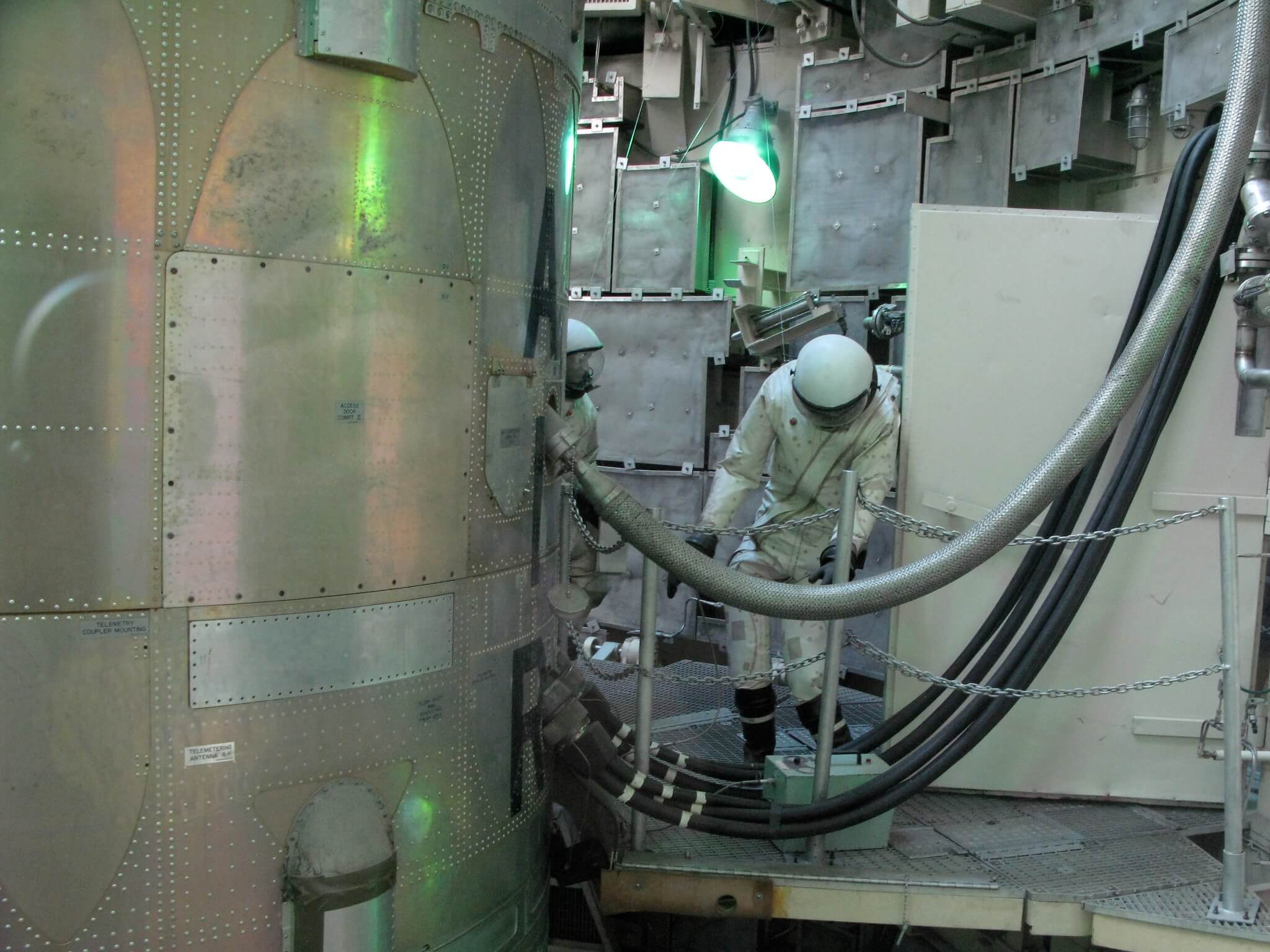
But the increased automation of nuclear decision-making carries significant risks. In a recent policy roundtable in the Texas National Security Review, authors cautioned against “the misperceptions about AI’s capabilities” as well as against automation bias.
AI-enabled decision-making is also unable to engage in contextual thinking, make ethical judgments, understand intent, or even question orders in ways human decision-makers can.
‘Humans in the Loop’
Some scholars hold the view that AI should not be included in any aspect of NC3 because algorithms are incapable of considering ethical aspects of a decision, because they automate decisions when you need judgement and because they reduce the time needed for rational behaviour to prevail.
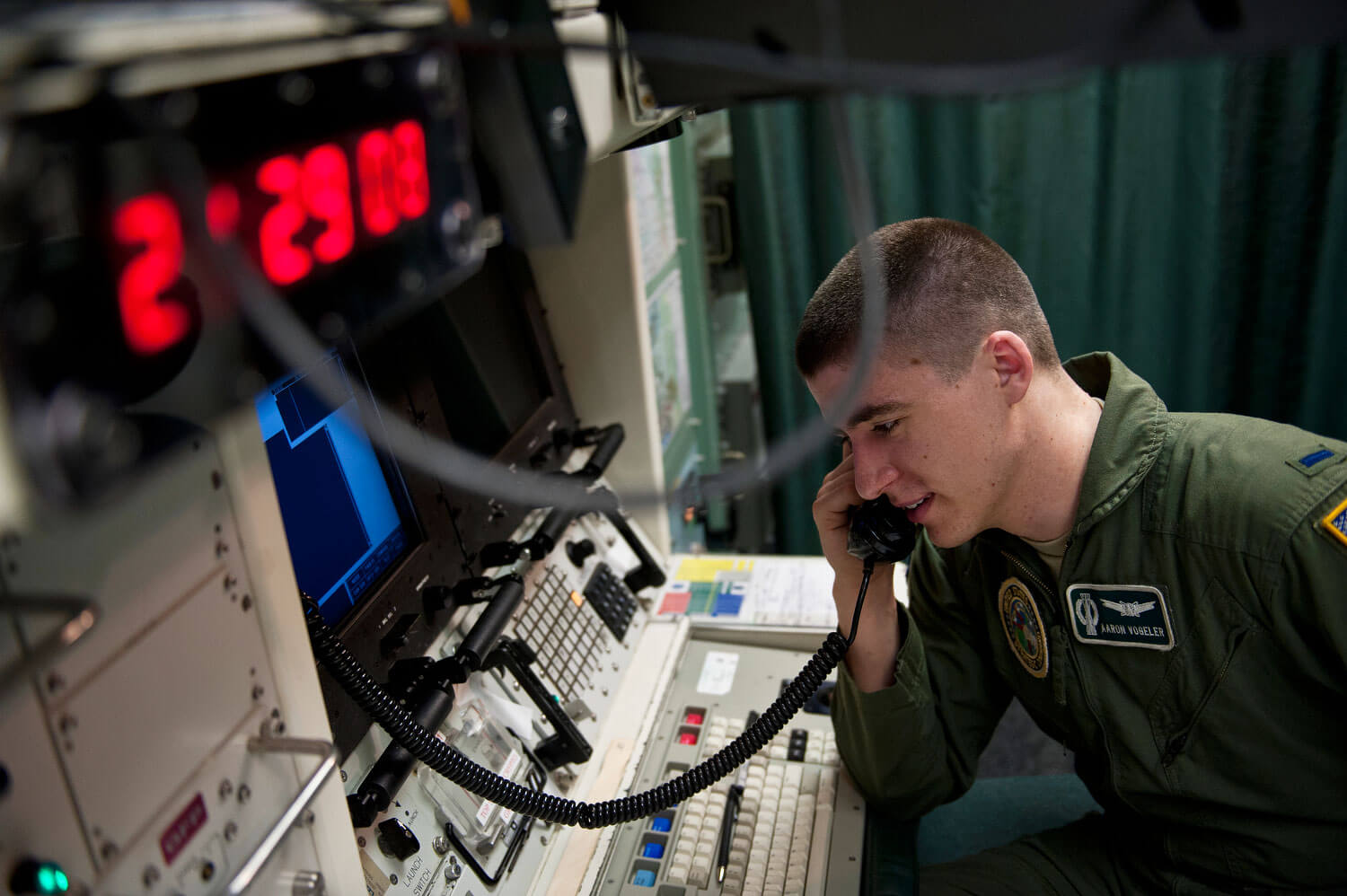
Interestingly, some have suggested that automating nuclear command and control may vary depending on regime type. In a recent piece, James Johnson, Assistant Professor in the School of Law and Government at Dublin City University, suggests that more autocratic nuclear states (for example China) that have more centralised nuclear decision-making structures and are more concerned about the survivability of their nuclear weapons, tend to engage in more risky forms of automation and tend to be less worried about the ethical or moral implications of automation.
That said, top-level policy-makers, whom we interviewed in our research
There is great variation among leaders in different countries when it comes to how accepting they are of AI in their militaries
Behavioural research has shed light on the limits of human judgment and rationality.
Neither one in isolation is sufficient. Ample research has shown that humans (let alone leaders) are not always risk-averse.
These outcomes are not only psychologically conditioned, but also results of long socialisation processes. As Assistant Professor of Political Science Erik Lin-Greenberg argued in his recent paper, there is great variation among leaders in different countries when it comes to how accepting they are of AI in their militaries.
You only need to imagine a world leader boasting about the size of their nuclear button to understand that not everyone is equally risk-averse
While Lin-Greenberg draws a lesson that this creates a problem for the functioning of alliances (something we do not dispute), this unwillingness highlights that there are other factors – for example cultural and normative – that influence risk acceptance. Psychologists and sociologists have long recognised that risk acceptance (or avoidance) has an important cultural aspect.
In short, the critique of the implementation of AI in nuclear decision-making rests on a rather uncritical view of human judgment and its relationship with risk. You only need to imagine a world leader boasting about the size of their nuclear button to understand that not everyone is equally risk-averse.
A healthy mix of machine learning and human judgment
Under the right circumstances, well-functioning AI can serve as a trusty ‘adviser’ to human decision-makers, providing them with more accurate information in less time, thus increasing stability by reducing the risk of human error.
Ensuring that AI is always well-functioning is difficult, not least because mitigating the risks of nefarious manipulation remains tricky. These risks underline why the discussion about the inclusion of AI in NC3 systems must include looking at where and how AI becomes involved.
However, if we want to have a more measured view of the role of AI in NC3 we need to start thinking seriously and critically about the roles that both machines and humans can – and should – play in NC3. Given the biases inherent in both, neither one of them alone is going to save us from a nuclear doomsday.
The research for this article was supported by a subsidy from the Dutch Ministry of Foreign Affairs. The views represented here are those of the authors and do not represent in any way the views or policies of the Dutch Ministry of Foreign Affairs.






0 Reacties
Reactie toevoegen