

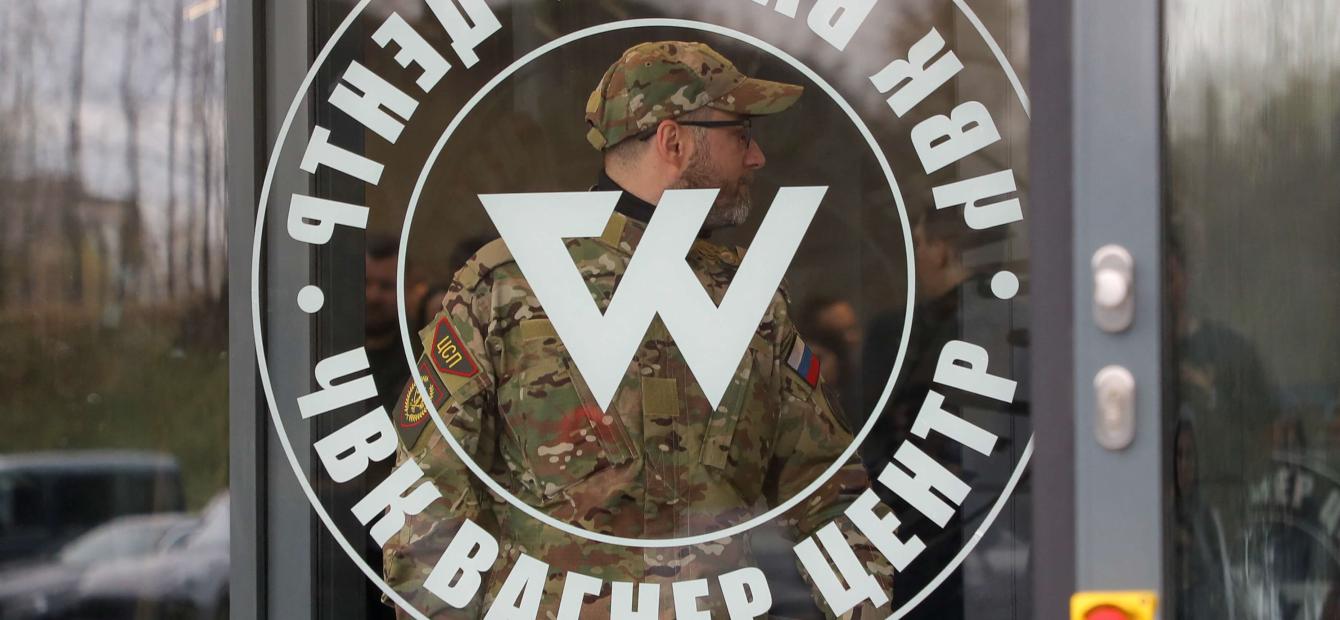
Here to stay: Wagner and the private security industry

The role of the Wagner Group in Russia’s war on Ukraine has refocused public debate on the vastly growing global security industry of private military and security companies (PMSCs). What motivates governments to enlist the support of PMSCs considering the potential risks involved? How efficient and effective are they in comparison to states’ armed forces?
THE ISSUE
What is this about?
The Wagner Group and the scandals surrounding its involvement not only in the ongoing war in Ukraine, but also in places such as Mali and Syria among others, have refocused public debate on a dimension of war which is as old as war itself: states’ reliance on private groups or individuals to achieve their political objectives.
How unique is Wagner?
It is often overlooked that Wagner is part of the vastly growing global security industry of private military and security companies (PMSCs), and that contracting these firms and the security services they offer has meanwhile also become a normalcy for many Western governments as well as the United Nations and humanitarian organisations when engaged in conflict zones. While the PMSCs they hire may not be as corrupt and criminal as the Wagner Group, their involvement has not been free of scandals either.
What is the author’s conclusion?
The author argues that PMSCs are here to stay, but that more national and international regulation is necessary to prevent excesses of private security and for the contract between Russia and Wagner to not become a model for others.
Private military and security companies (PMSCs) are a new breed of security actor. Media often refer to them as ‘new mercenaries’, a label that certainly fits some of these companies. PMSCs are nonetheless – and despite certain similarities – different from their historical precursors, in particular given their modern corporate structures. They are “firms and operate as businesses”.
While the first PMSCs were founded in Great Britain in the 1960s,
On the whole, the industry is very dynamic
These figures are perhaps even more staggering when considering that 70 per cent of the PMSCs are concentrated in only four countries, including the United Kingdom, China, South Africa and the United States.
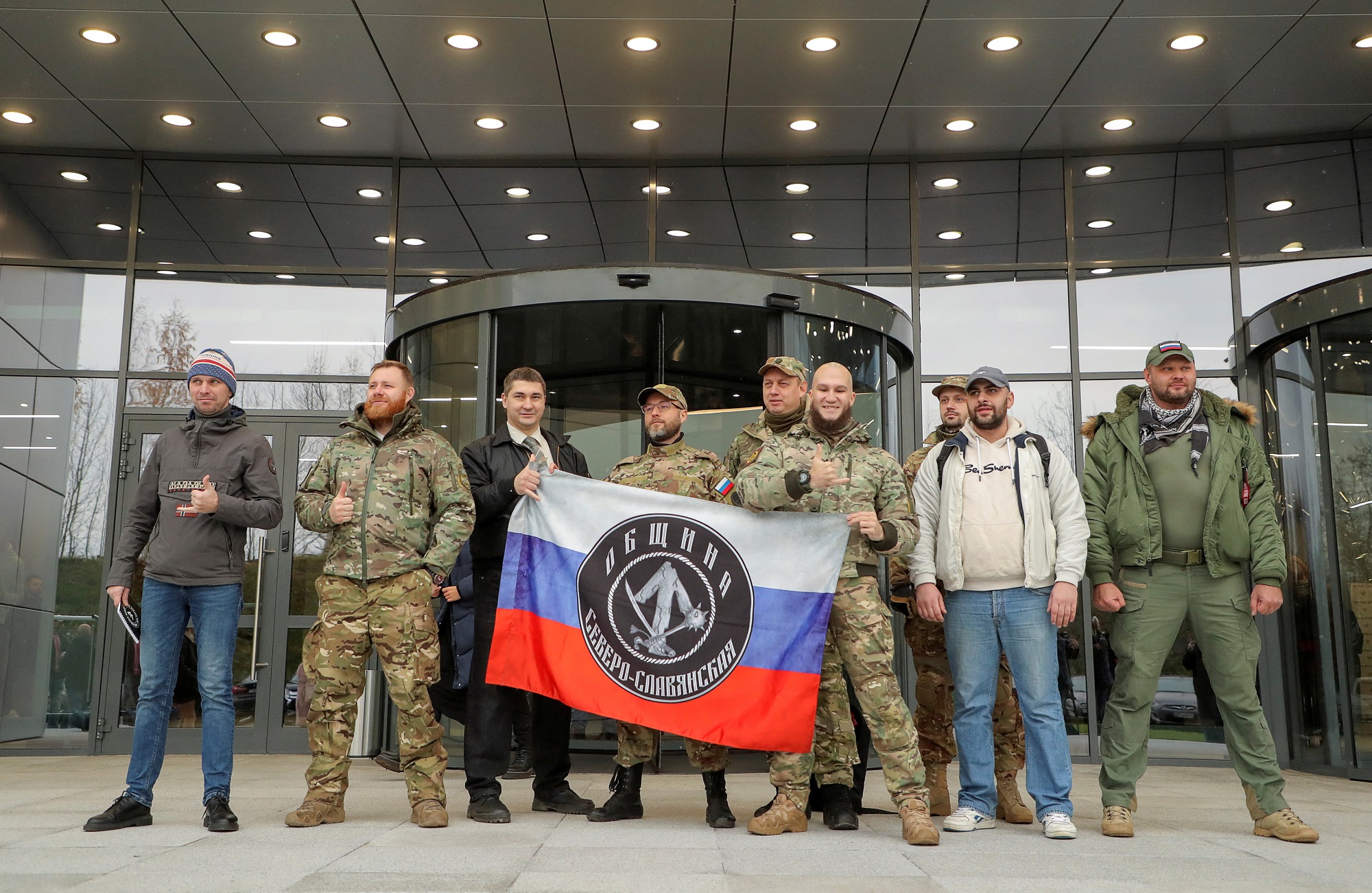
Exact figures are, however, hard to come by since the commercial security sector is known for its nontransparency and heterogeneity.
The growing global security industry: supply and demand
The growth of the industry has, in part, been demand-driven with governments relying on PMSCs’ services to such an extent that they have “become an integral part of 21st century warfare in the Western and non-Western world, without which military operations can no longer be conducted effectively and sustainably”.
Force-Multipliers
One often cited argument Western policymakers provide for contracting these companies is that they are ‘force multipliers’ to armed forces. Faced with a rise in out-of-area missions, shrinking defence budgets and recruitment problems, PMSCs are claimed to help states and their militaries not only to compensate for personnel and equipment shortages, but also to operate in a more cost-efficient and effective manner.

PMSCs have become indispensable to governments, as shown by several American key missions. During the US campaigns in Afghanistan (2001-2021) and Iraq (2003-2021), the number of military personnel deployed by the armed forces was increasingly replaced and eventually outnumbered by employees of PMSCs. In Afghanistan, the contracted PMSCs helped the American government to maintain its intended limit of 9,800 US troops, which was set in 2016, but cut to 5,500 in 2017, and subsequently compensated by 26,000 private security employees.
Hiding the costs of war
Connected to the argument that PMSCs help to offset resource shortages, there is another reason for PMSCs being hired – a reason that public officials are, however, less willing to admit to publicly. At a time when political will to commit one’s own troops is declining in Western societies, PMSCs enable governments to hide the human costs of their involvement in foreign conflicts and to dissociate themselves from failure or wrongdoings.
In general, the contracting of PMSCs stays under the radar of international media
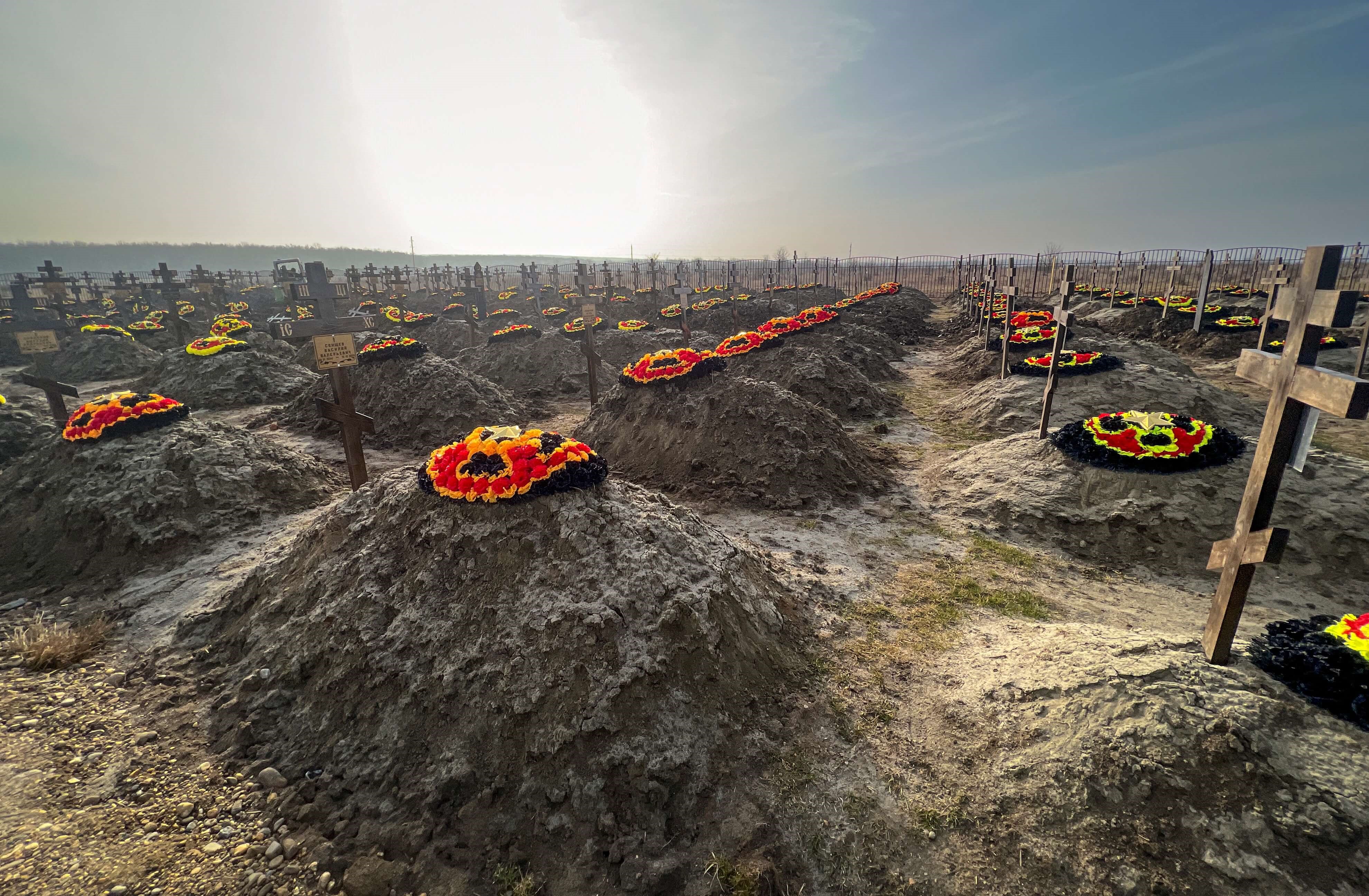
The media exposure that the Wagner Group currently receives is exceptional, owed to its alleged involvement in war crimes and the recruitment of fighters for the war in Ukraine from Russian prisons as well as from Chechnya, Syria and Libya. In general, however, the contracting of PMSCs stays under the radar of international media, since the companies – as well as the casualties that they incur – are rarely included in the official statistics of armed forces.
In addition, it is a quite common practice for PMSCs to rely for the delivery of services on either local sub-contractors
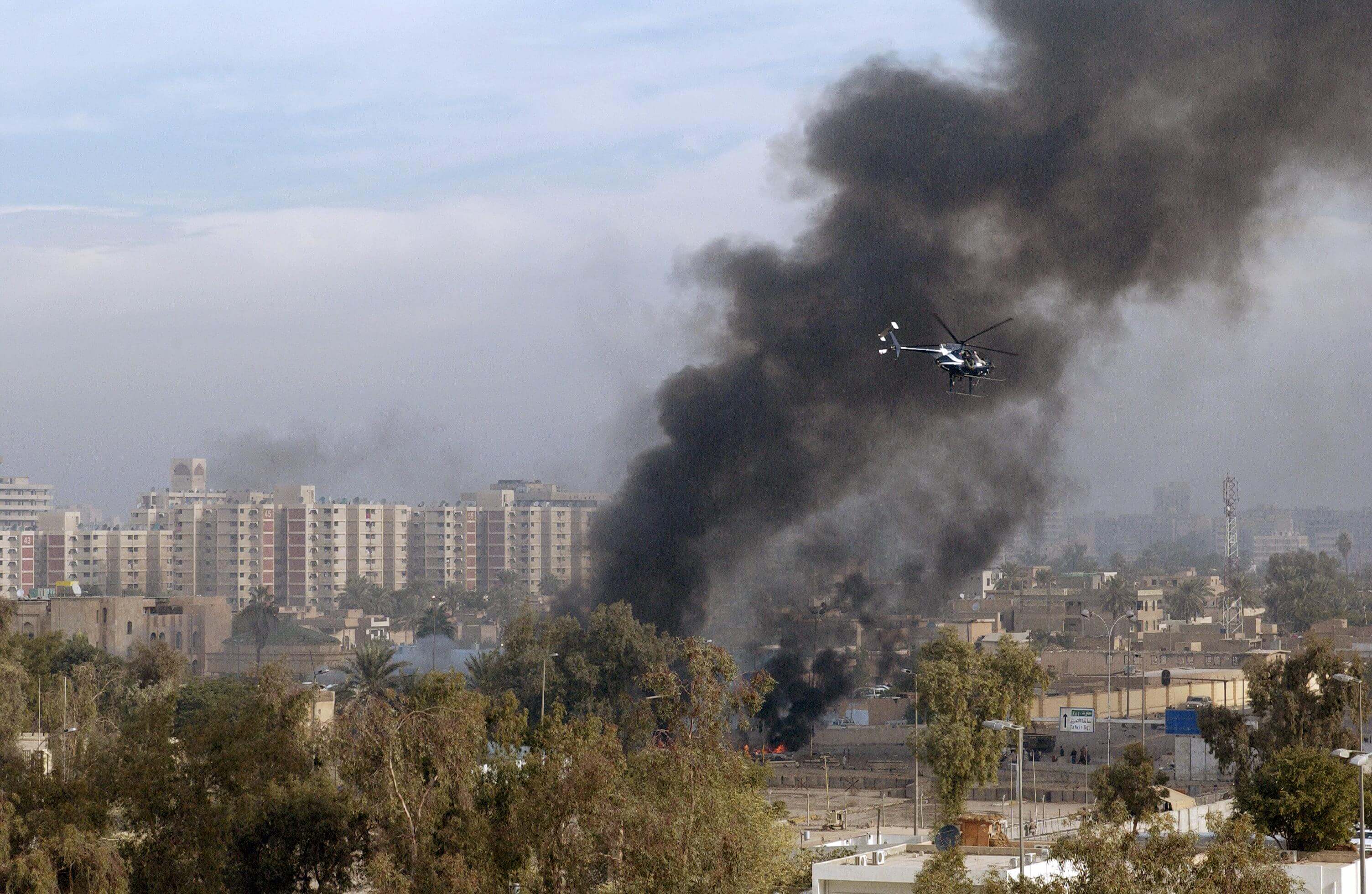
In Iraq, approximately 40,000 TCNs worked for companies contracted by the US government
PMSCs’ strategic image management: dissociating from the bad apples
Although the boom of the industry is driven by the clients of private security services, PMSCs themselves are an important part of the equation as well as to why they are perceived as an accepted and taken for granted element of militaries’ force structure today. Ever since the 1990s, when individual companies got involved in recurring scandals,
The difference between the ‘good’ and the ‘bad’ is not clear-cut
PMSCs also have professionalised. Some have adopted internal behavioural codices specifying rules for their employees on how to conduct themselves in the field, while others subscribe to the codes of conduct of already existing industry associations, such as the International Stability Operations Association in the US
These associations and the codices ensure, as the Director General of the BASP Andy Bearpark already stated in the mid-2000s, “that only legitimate companies are able to gain a market hold” since “[b]y definition the bad companies don’t want to join us, and the good companies that want to adhere to our association want to improve their image”.
Finally, the fact that many of the founders of PMSCs as well as the preferred employees are veterans, including former generals, navy seals or special operations officers,
Addressing the legal grey zone
While these various developments already helped governments to justify the hiring of PMSCs, efforts to address the legal grey zone in which the companies exist and to better regulate the operations of PMSCs through the adoption of national laws and policies, also played an important role.
How efficient and effective are PMSCs?
If one believes the PMSCs, their performance outdoes that of armed forces both in terms of costs as well as what they can accomplish. Self-assertions such as those of the leading American PMSC –Constellis – are not exceptional in this respect. They claim to “offer turn-key solutions to address our customers’ most complex challenges wherever we are needed around the world”.
Even though comprehensive studies do not exist to date due to the lack of data, the evidence regarding the performance of PMSCs is quite mixed. What we know from missions in, for example, Iraq or Afghanistan, is that the involvement of PMSCs can have positive effects if contract conditions are clearly stipulated, competition among PMSCs exists, and the hired companies are publicly traded and therefore – due to likely reputational costs – may have greater incentives to deliver than privately owned firms.

Weighing against these factors are, however, political realities. Governments tend to maintain long-term contracts with ‘prime contractors’ or conclude so-called indefinite delivery/indefinite quantity contracts (IDIQ)
Furthermore, privatisation of security has long-term consequences, including the weakening of states’ monopoly of force and democratic institutions due to the growing dependency on PMSCs. After all, PMSCs have commercial interests. They assess security in economic instead of political terms, and might therefore exaggerate or misrepresent the danger or current situation to attain a new contract or prolong an existing one.
PMSCs are here to stay
PMSCs are a reality and here to stay, but further regulation at the national and international level is necessary to tackle existing problems and their future consequences. The recent announcement by the US government declaring the Wagner Group a criminal organisation is an important and necessary signal that companies of this kind and their disregard for international human rights law will be penalised.
However, more regulation alone is not enough. Governments and international organisations need to follow this up with more forceful and globally agreed upon measures also targeting other PMSCs engaged in illegal activities to prevent the negative effects of privatising security and from Wagner becoming a model for others.

1 Reacties
Load comments
American Military Stamina
I am interesting in comparing casualty rates for contractors and soldiers. Do we know how many contractors served in Iraq from 2002 to the present, and how many have died (assuming the reported 1,452 is out of date)?
Thank you
If you write me a [email protected], I'll send you my work in progress on this subject.
Reactie toevoegen