

The end of New START: The start of a new beginning?

At present there is only one treaty in force that limits nuclear arsenals. That treaty, New START, limits the strategic arsenals of the United States and the Russian Federation. According to New START inspectors, the Treaty works well and according to Russia it is the “gold standard” in arms control. This 7th episode of the Clingendael Spectator series on arms control analyses new approaches, now that treaty comes to the end of its 10-year run in February 2021. Should we be concerned?
Strategic nuclear arms control is now fifty years old. The first Strategic Arms Limitation Talks (SALT) between the United States and the Soviet Union were supposed to start in the fall of 1968, but after the Russian invasion in Prague in August 1968 a cooling off period was needed and actual SALT negotiations started only in April 1970.
In the last half a century both the United States and the Soviet Union (later the Russian Federation) have spent much time and energy in concluding agreements that limited and later reduced the number of strategic nuclear weapons systems. Some of the treaties that were agreed upon never entered into effect for political reasons.
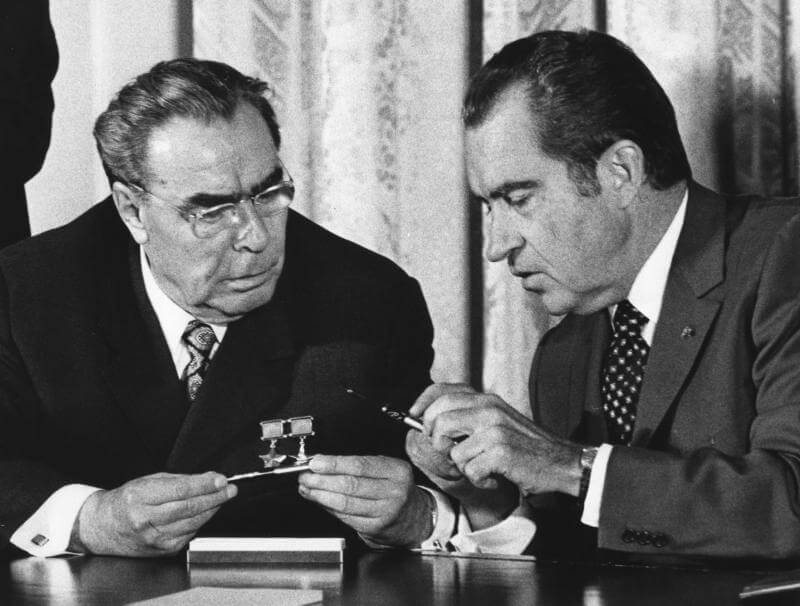
SALT-II was shelved in Washington when the Soviet Union invaded Afghanistan in 1979. START-II suffered a similar fate after the United States withdrew from the Anti-Ballistic Missile (ABM) Treaty in 2002 and Russia announced that it had no obligations under START-II anymore. Its predecessor, START, was negotiated in the eighties under Presidents Reagan and Bush and for the first time
START nearly perished with the demise of the Soviet Union but could be rescued with the help of Belarus, Kazakhstan and Ukraine. When it came to the end of its 15-year term, a successor treaty was not ready, but after some delay New START could be agreed upon. Now that treaty comes to the end of its 10-year run in February. Should we be concerned?
New START
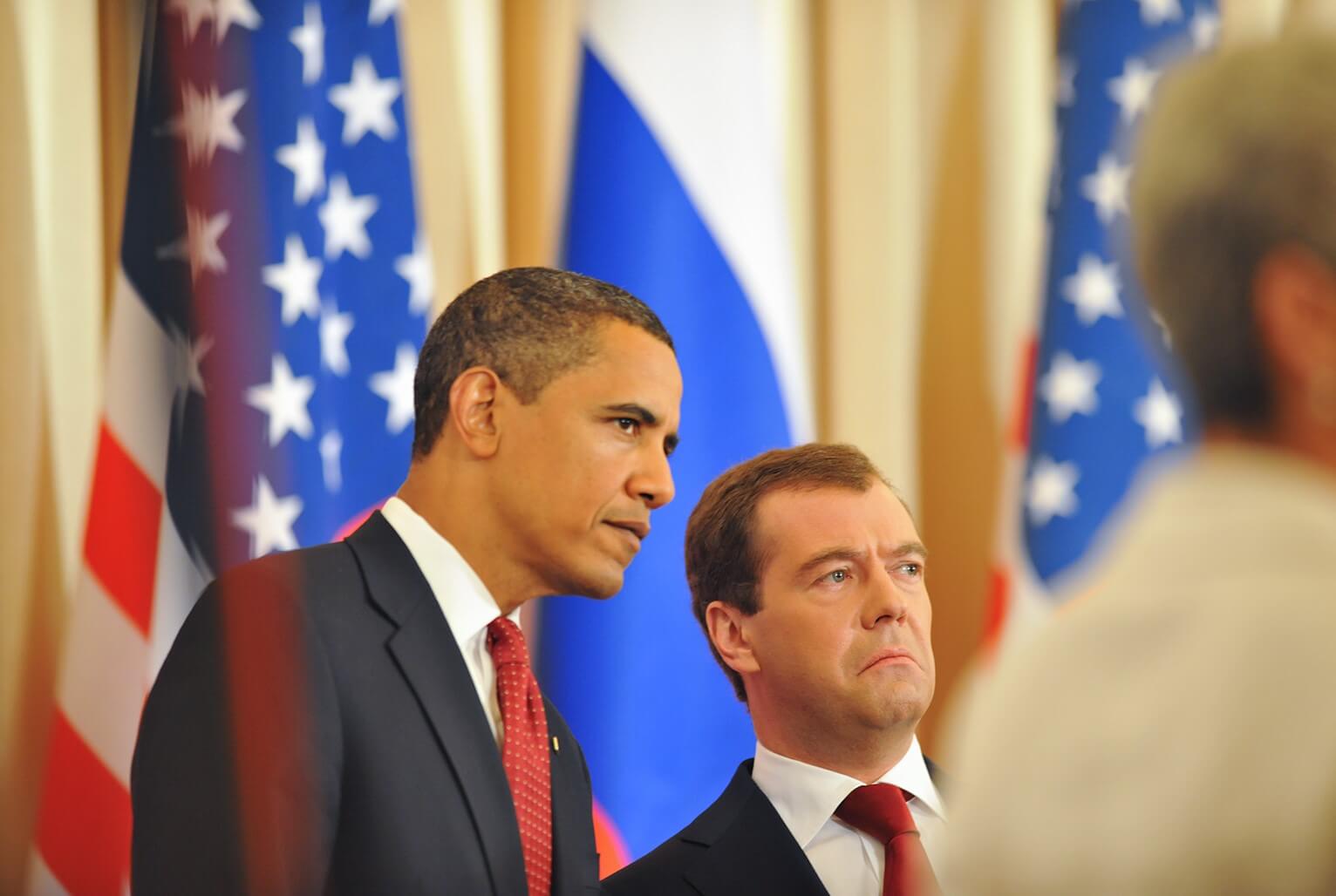
New START talks started immediately after the Presidents Obama and Medvedev launched the project in Rome in April 2009. A year later the treaty could be signed.
The other reason is that New START is in many ways simpler than START. That is already clear from some simple metrics: 12 types of inspections in START versus two types in New START; the total number of inspections is 28 versus 18 per year; 152 types of notifications versus 42.
It has been argued that New START conceptually had its roots in both START and the 2002 Moscow Treaty
The Moscow Treaty was only a few pages long and essentially said that both sides were free to determine the composition and structure of their nuclear forces but would keep the total number of strategic nuclear warheads between 1700 and 2200. So, the detailed verification provisions of New START are derived from START, while its built-in flexibility is derived from the Moscow Treaty.
The greater flexibility for both sides reflects the “post-Cold War nature” of New START
In START, a separate ceiling for “heavy” Intercontinental Ballistic Missiles (ICBM) was agreed; that sub-ceiling has disappeared in New START. START had an elaborate article V about restrictions on modernising nuclear systems; that article has no equivalent in New START. One can say that that greater flexibility for both sides reflects the “post-Cold War nature” of New START.
The main achievement of New START is that it further lowers the ceilings for ICBM and SLBM missiles and launchers, as well as heavy bombers and their associated warheads. The numbers are as follows:
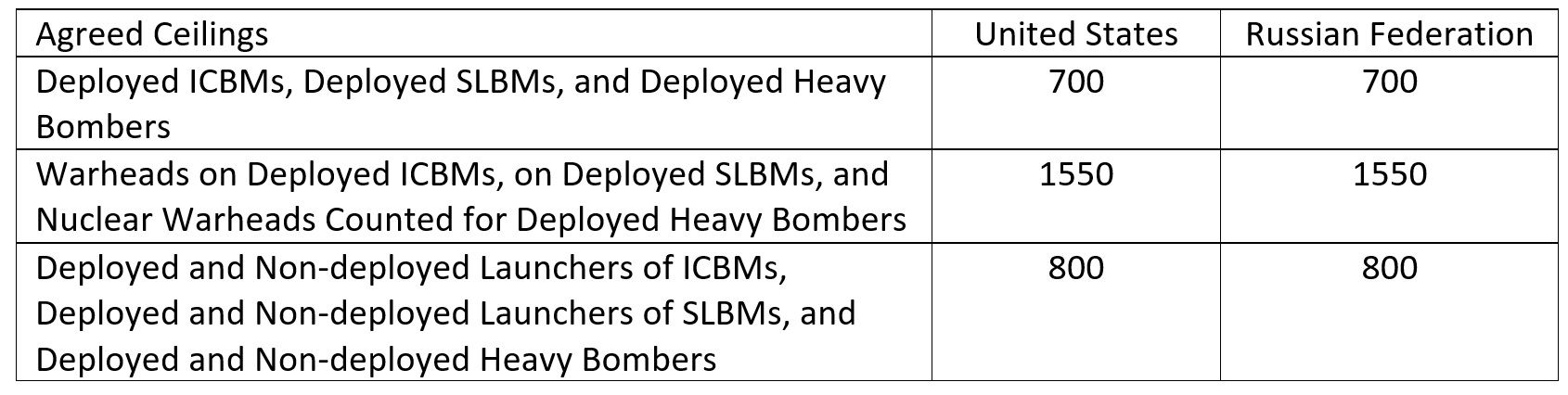
The 800 launchers and bombers should be compared with the 1600 in START, and the 1550 warheads with START’s 6000. One caveat is important. In New START, as in START, the maximum nuclear warhead numbers are calculated numbers, not ceilings for numbers of actual warheads.
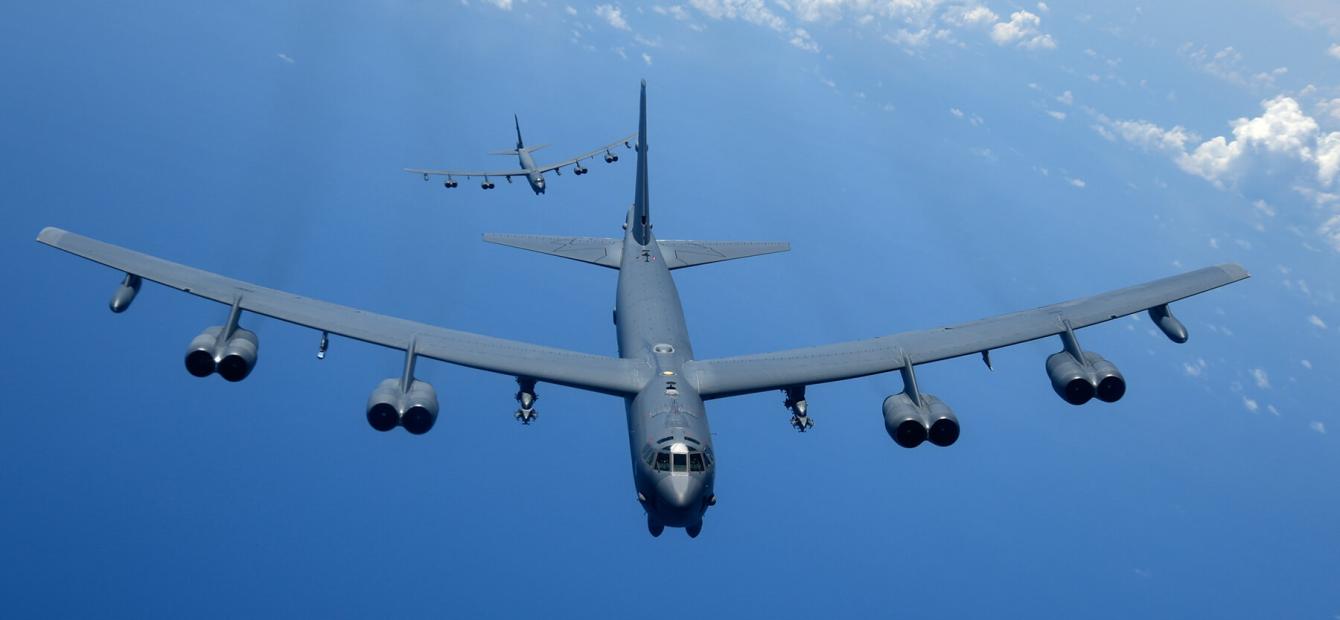
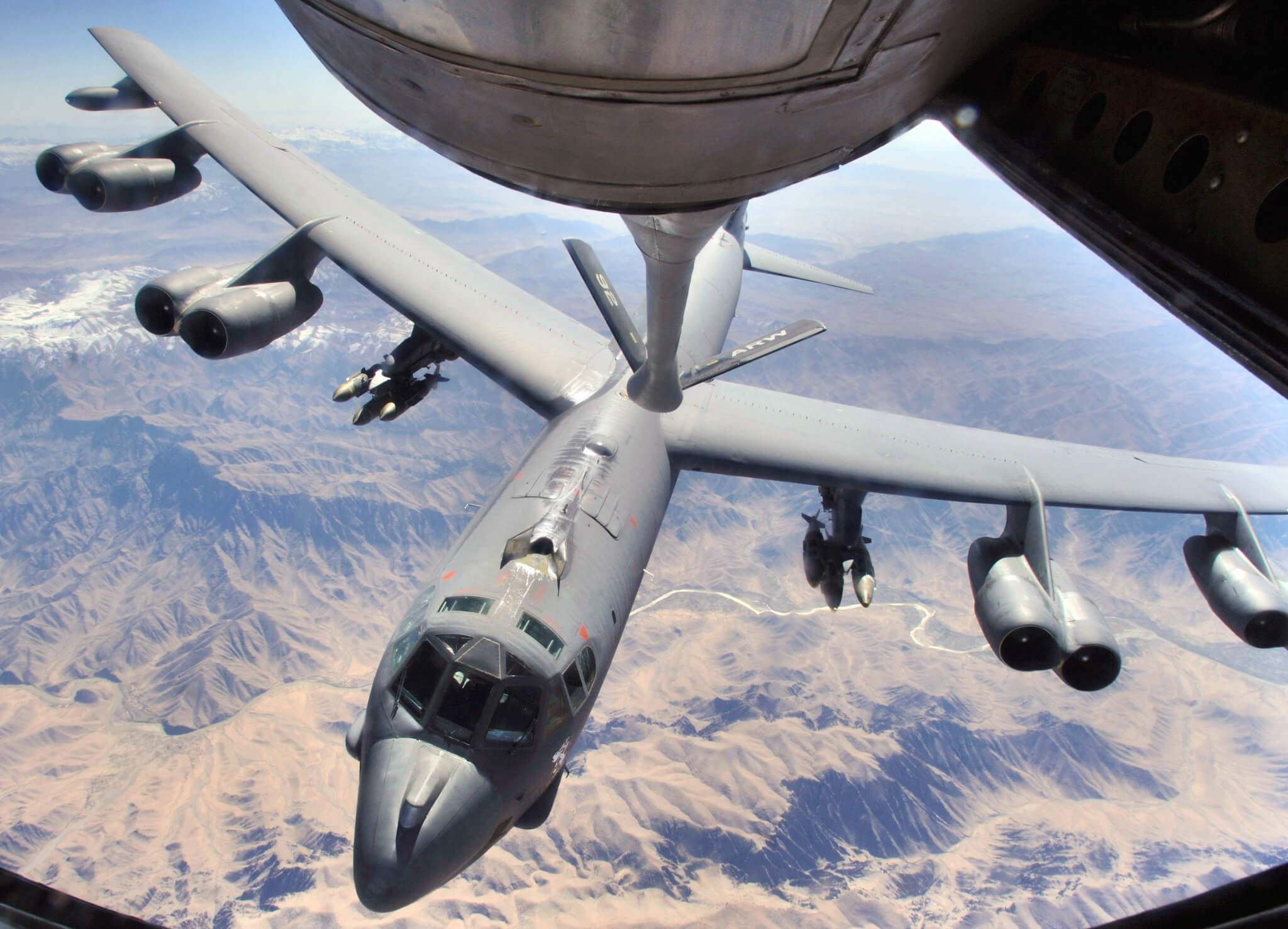
For example, in New START, each deployed heavy bomber counts for one warhead. Given that a Tu-160 can carry 12 nuclear cruise missiles with a warhead and a B-52H 20 warheads, the actual number can be hundreds higher than the maximum in the table.
On 5 February 2018, the seven-year period for reducing their nuclear arsenals came to an end for the two parties. In press statements both sides marked that they had reached the limits as foreseen in the treaty, and according to half-year data sets they continue to observe these limits.
New approaches?
According to New START inspectors, the Treaty works well.
As no negotiations have been held so far to agree on a new treaty, is extension for five years not the best option? That might still be the outcome, but that outcome is far from assured.
When the treaty was concluded, Russia was happy with New START. Foreign Minister Sergey Lavrov called it the “gold standard” in arms control.
In contrast to President Obama, the Tump administration was aloof to proposals to extend New START
When Donald Trump became president, the tables turned. President Putin, from his first contact with President Trump, proposed to extend the Treaty. The aloofness of the Trump administration to such an extension can be attributed to three factors.
The first is the Russian behaviour regarding the INF Treaty. The 2018 Nuclear Posture Review (NPR) says: “Further progress is difficult to envision in an environment that is characterized by nuclear-armed states seeking to change borders and overturn existing norms, and by significant, continuing non-compliance with existing arms control obligations and commitments”.
It is not completely clear what led to the demise of the INF Treaty. Both sides became less enthusiastic about the Treaty, since other states are not bound to a similar restraint. But the nail in the coffin for the US was the development and the deployment by Russia of an intermediate-range GLCM, designated as 9M729.
The first suspicions in Washington of a treaty violation arose some 10 years ago. In May 2013, these suspicions were conveyed to Moscow
As both parties could not bridge the gap, the US gave notice of its intent to withdraw from the Treaty on 1 February 2019, so that it actually withdrew from it on August 2nd.
The result is that the violation is to some extent, at least publicly, shrouded in mystery. The demise of the INF treaty has of course consequences for strategic arms control, as the obligation to have no (land-based) nuclear weapons in the sub-strategic range (500-5000 km) has fallen away.
This brings us to the second factor: American concerns about non-strategic nuclear weapons. The Nuclear Posture Review also states that “Russia has … rebuffed US efforts to follow New START with another round of negotiated reductions, and to pursue reductions in non-strategic nuclear forces”
This inclusion of “non-strategic nuclear forces” would of course change the nature of the negotiations about strategic nuclear forces as conceived since the late sixties and will therefore not be an easy undertaking. However, the NPR quotation underlines the importance the US attaches to the qualitative and quantitative modernisation of Russia’s tactical (non-strategic) nuclear forces.
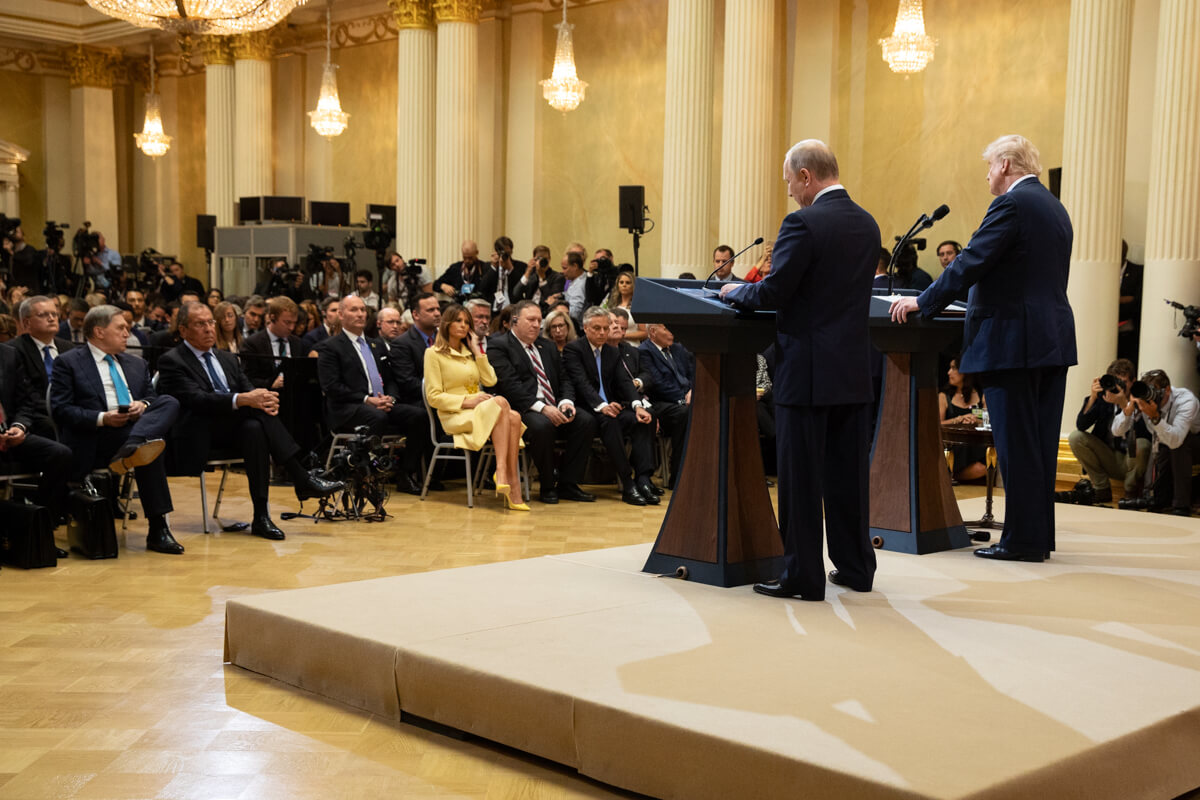
The third factor is China. A year ago, President Trump has instructed officials in Washington to work out a framework for arms control with the Russian Federation and China
Extending the present New START treaty is something the US and Russian Governments can do easily. Such leeway was granted when the Treaty was ratified in 2011. Negotiating a new treaty before the end of this US administration is impossible, if only because time is running out. But even if a next administration would be willing to negotiate, that process would take quite some time.
The US Senate is not very sympathetic to arms control and to Russia, given the conflict in Ukraine, the war in Syria, cyber meddling, and its behaviour in the Skripal case
Moscow remains concerned about US missile defence and long-range conventional precision weapons. Yet, in Washington the Senate has banned these areas from future talks
Any new treaty would have to be negotiated against the background of huge efforts to modernise all legs of the nuclear triad on both sides. Russian modernisation efforts have been underway for more than two decades
While in both cases these modernisation plans are very costly – money that could be used for other purposes – they are in themselves not a violation of New START.
A new arms race?
Should we be concerned if the treaty lapses in February without extension? Not too much.
A new “mad momentum” of an arms race is not very likely
Also the Partial Test Ban Treaty of 1963 (which allows only underground nuclear test explosions) and the Comprehensive Test Ban Treaty of 1996, even if not in full force, have contributed to slowing down the nuclear arms race.
Moreover, there have been earlier periods in which there was no treaty
If in the future the numbers of nuclear weapons of the major possessors would go further down, the verification of the actual number of warheads would become more important. New START and its predecessors focussed on delivery vehicles. To verify numbers of warheads directly is more difficult and sensitive, because seeing and measuring each other’s nuclear weapons for verification purposes is more sensitive than seeing each other’s delivery vehicles.
Until now such a verification regime for nuclear warheads does not exist. Conceptually much progress has been made in recent years, in particular within the International Partnership for Nuclear Disarmament Verification (IPNDV), a cooperation between some 25 nuclear-weapon states and non-nuclear weapon states.
Any new treaty would need to take into account that technological developments in the last decade have eaten away at strategic stability
Lower numerical limits and enhanced verification methods might not be the key to a new nuclear arms control treaty. Any new treaty on strategic nuclear weapons would need to take into account that technological developments in the last decade have eaten away at strategic stability.
In a joint declaration in the run-up to the START treaty
In the early sixties ICBMs were destabilising, because in a massive nuclear strike one side could decapitate the other. The introduction of long-range missiles launched from submarines (SLBMs) brought back stability. In a somewhat similar way as ICBMs did in the sixties, hypersonic weapons increase the chance of a surprise attack. Due to their speed and manoeuvrability, detection time becomes shorter and pressure to launch missiles in anticipation grows correspondingly.
However, as long as both sides have a second-strike capability, and as long as numbers are small, hypersonic weapons might not be the biggest problem. A more pressing issue, given its destabilising effect, is the possibility to blind warning systems with cyberattacks and derail nuclear weapons related electronic systems.
These measures might be the beginning of a new era in arms control. The starting point could be not to meddle in each other’s command and control systems,




1 Reacties
Load comments
New Start Treaty
Now Russia have decided to leave the Treaty, what serious implications will Western Europe now face alongside the USA?
Is a nuclear arsenal now predictable, raining down upon Any countries supporting Ukraine in Thier efforts to stop Russia?
Is NATO about to step up a knotch with submarine movement, ships, troops and artillery along the boarders with Russia from within each NATO country?
About me :- I'm just interested in global events, from climate to war, live inside the UK and enjoy good journalism.
Reactie toevoegen