


New allies? Ukraine’s diplomatic battle in the Global South

Russia’s invasion of Ukraine has an enormous impact on the future of the European Union. This Clingendael Spectator series analyses how Europe’s relation with Ukraine and Russia will be affected. In the first episode Andriy Korniychuk explores Ukraine’s global diplomatic counteroffensive, and how this affects the country’s positioning within the Western alliance.
Russia’s full-scale invasion poses an existential threat to Ukraine’s statehood. As a result, Kyiv’s approach to foreign affairs has undergone a profound transformation. The country’s ongoing diplomatic offensive focuses on securing political and military guarantees while also mobilising resources. This strategy is aimed at not only repelling the aggressor but also on rebuilding the country into a modern, resilient democracy capable of defending itself against future threats.
A war of this magnitude and brutality, however, leaves little room for diplomatic courtesy. With its society put under an exceptional level of stress from day one, Ukraine had little choice but to be less diplomatic and more straightforward about what it needs and when it should be delivered, be it regarding political decisions like EU and NATO membership or the acquisition of new batches of military equipment.
Ukraine’s growing embeddedness in the Western block also increasingly impacts how Kyiv is perceived outside Europe
Nevertheless, diplomacy remains a crucial instrument for maintaining the international community’s support for Ukraine, enabling the country to succeed both on the battlefield as well as in the process of (post-)war recovery and transformation. The substantial Western support for Ukraine has been widely recognised as a meaningful endeavour in addressing the nation’s ongoing challenges. At the same time, Kyiv's strategy to gain support in the Global South
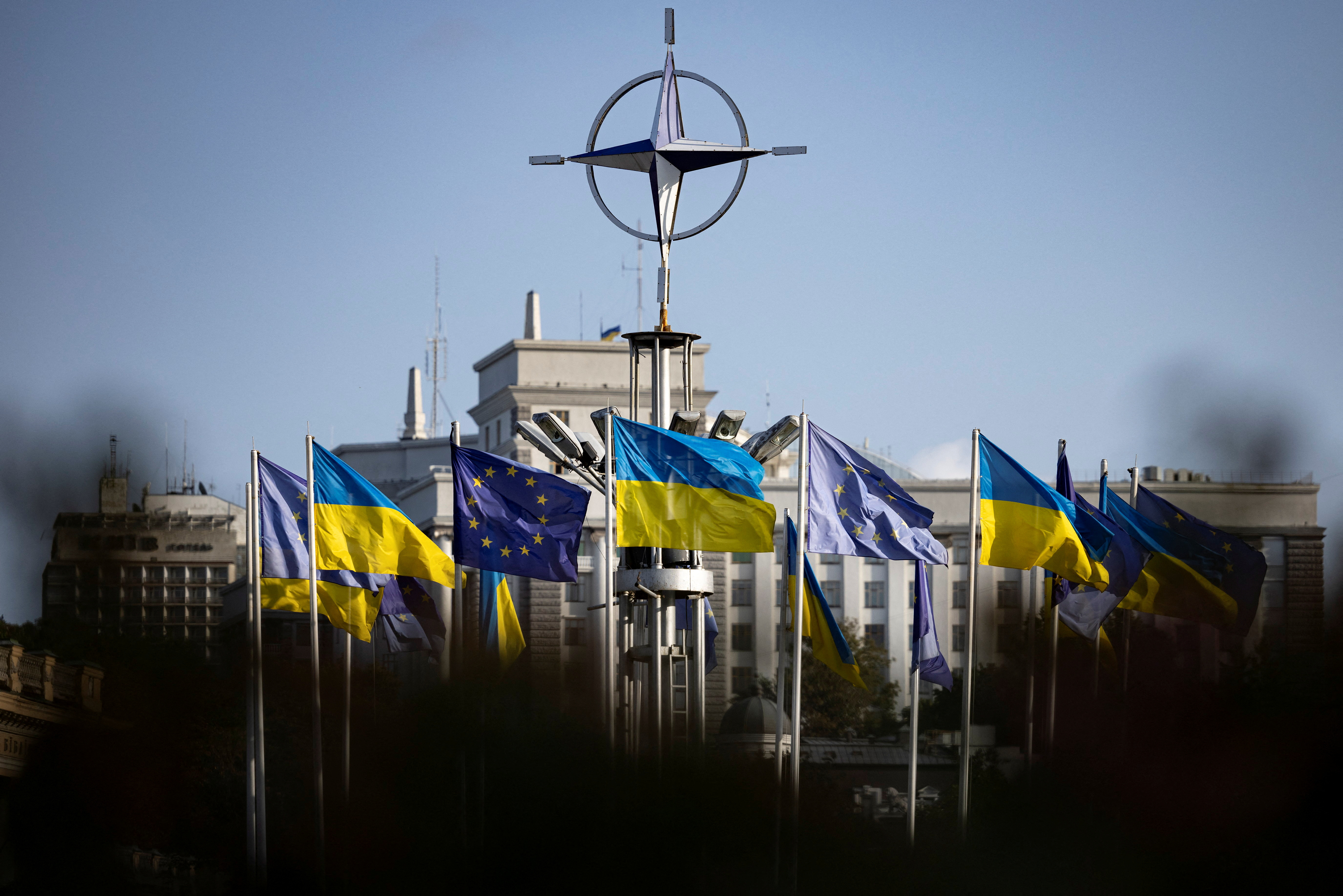
From buffer to border state?
Russia’s renewed aggression underscores Ukraine’s strategic foreign and security policy goals, which are membership in the EU and NATO. Russia’s brutal attack in 2022 has led to an unprecedented unification of public opinion in Ukraine.
From a geopolitical perspective, Russia’s aggression and Ukraine’s effective resistance have led to a shift in the overall political climate in Europe, increasingly reminiscent of the Cold War era. This transformation is characterised by deteriorating diplomatic relations and a growing tendency for militaristic rhetoric and violent actions to advance one’s own interests.
This evolving dynamic has changed Ukraine’s longstanding role as a buffer state
The role of the Global South
Moscow’s failed attempt at a blitzkrieg at the beginning of the invasion turned into a merciless war of attrition. It became increasingly evident to Ukrainian leaders that the outcome of this war would not be solely decided on the battlefield.
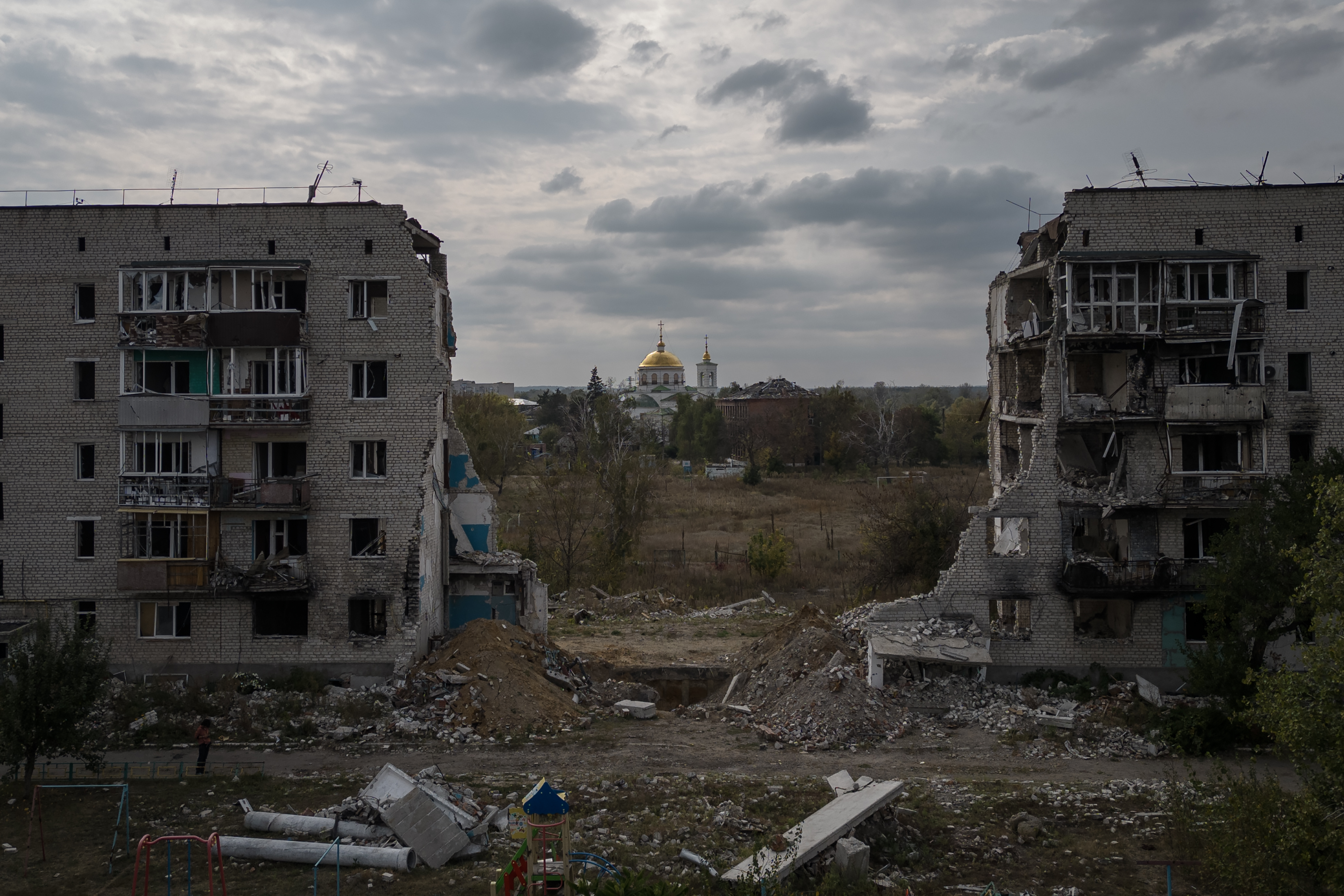
To counter Russia’s ongoing aggression and limit its access to resources for both present and future hostilities, Ukraine recognised the necessity of seeking support, strengthening existing alliances and forging new partnerships with countries in the Global South. Therefore, by the end of 2022, President Volodymyr Zelensky – for the first time in the country’s history – designated the Global South as a priority in Ukraine’s diplomatic efforts.
Firstly, in light of the unprecedented Western sanctions
Reaching acceptable terms for all parties engaged in the peace negotiations will require great diplomatic efforts
Secondly, Russia’s invasion sent shockwaves well beyond Europe, affecting countries in the Global South as well, including triggering issues like food crises. Regarding the diplomatic offensive, Kyiv hopes that the anti-colonial nature of Ukraine’s defence against an aggressor with neo-imperialistic tendencies may strike a chord of sympathy among Global South nations, particularly of those which share a deep (post-)colonial trauma. However, while Europe – with some exceptions like Hungary – has been very supportive of Ukraine’s resistance efforts, the reaction from countries in the Global South has been moderate. This restraint is noticeable across various aspects, from official communication about Russia’s invasion to voting behaviour in multilateral institutions such as the United Nations.
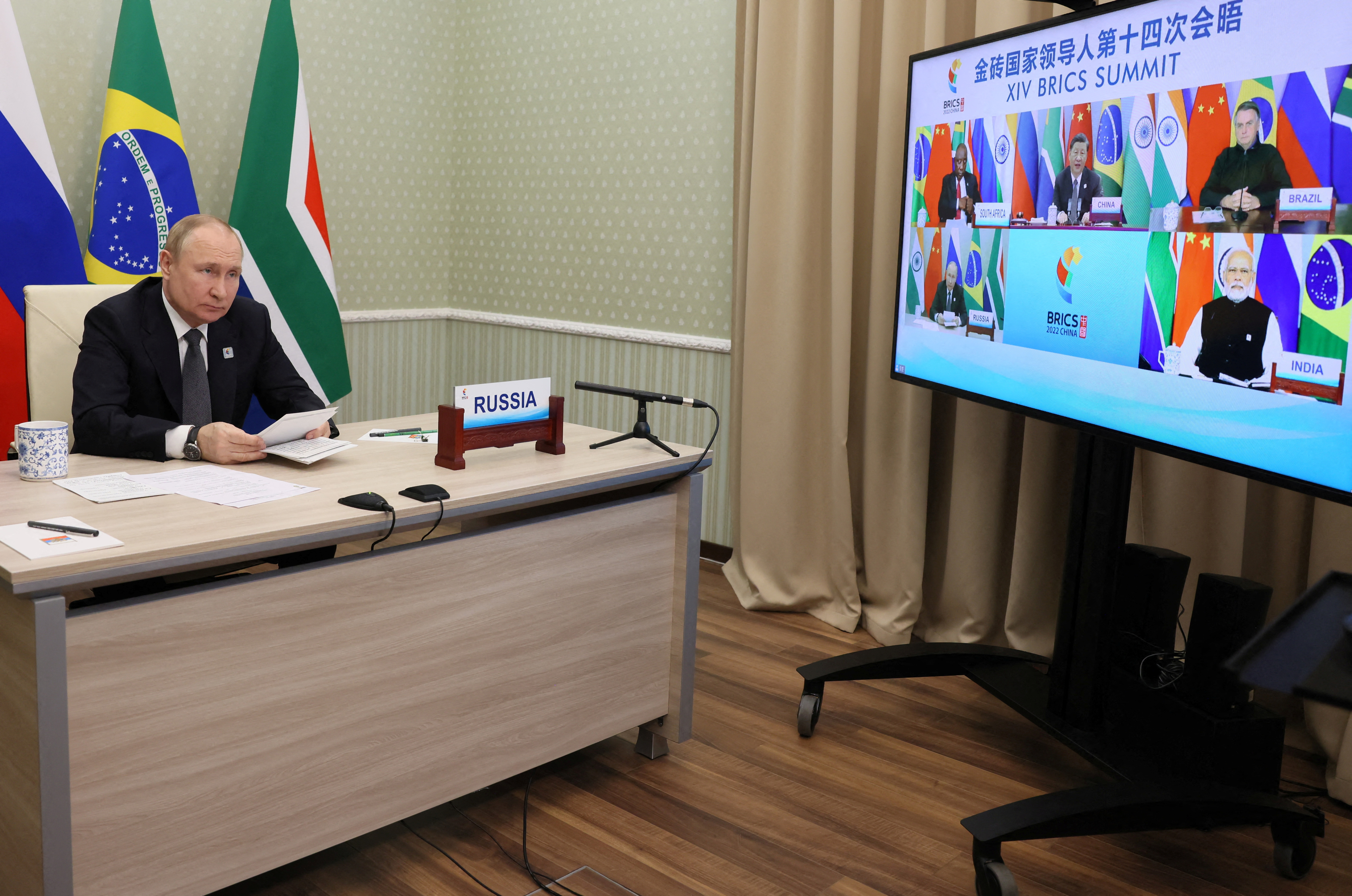
Thirdly, a growing number of countries (including China, South Africa, Brazil and India) have expressed their political willingness to contribute to ending this war that has negative global repercussions, each presenting their own peace proposals. Yet, all these proposals contain terms that are deemed unacceptable – or very close to being unacceptable – for Ukraine, for example regarding territorial concessions. Kyiv’s and Western interests are aligned in the promotion of Zelensky’s peace formula, which prioritises Ukraine’s territorial integrity and sovereignty as an imperative precondition for achieving lasting peace. This underscores the importance of adhering to a rules-based international order. Reaching acceptable terms for all parties engaged in the peace negotiations will require great diplomatic efforts.
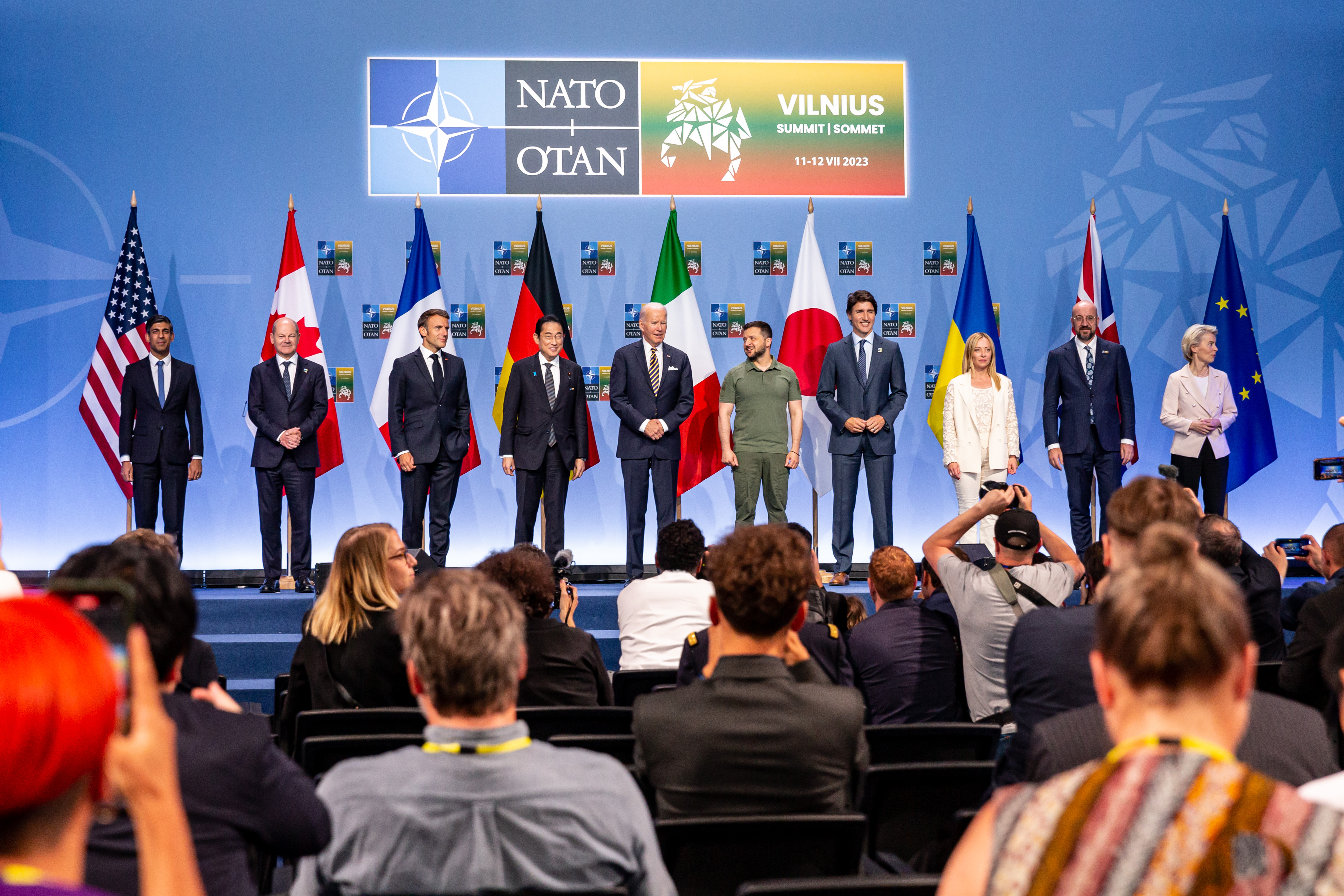
Kyiv faces an immense challenge in and outside the Global South, as it needs to interact with a diverse array of states. Ukraine must engage with states that directly support Russia’s invasion (e.g., Iran, Syria, North Korea), states that display a neutral position (e.g., in South-East Asia), states that gradually move towards supporting Ukraine (e.g., Indonesia, Saudi Arabia) and states that have already shown tangible support to Ukraine (e.g., Australia, New Zealand). To make this task even more challenging, while G7 nations have unanimously expressed their support for Ukraine, members of larger forums like the G20 hold diverse viewpoints on Russia’s act of aggression.
How does Ukraine navigate this complex and sometimes unfavourable environment, and what steps can the country make to enhance the success of its efforts?
A delicate balancing act
Several factors and developments hinder efforts to unite the international community in condemning Russia’s violations of the rules-based order and undermine Ukraine’s diplomatic initiatives.
Geographical remoteness stands out as a significant factor contributing to the lack of stronger interest among Global South countries in ending Russia’s aggression against Ukraine. The smaller and often economically vulnerable and fragile states in distant regions have limited resources and little inclination to pursue foreign policy objectives outside their immediate geographic proximity.
Many Global South nations view Ukraine as part of Western-led multilateralism, which is struggling to address pressing modern challenges
Simultaneously, countries in the Global South are increasingly vocal about their underrepresentation in major multilateral institutions, such as the United Nations, and the perceived ineffectiveness of these organisations. Many Global South nations view Ukraine as part of Western-led multilateralism, which is struggling to address pressing modern challenges like climate change, food security, migration and public health.
In this context, not only Kyiv but also numerous European governments find it increasingly challenging to counter the influence of non-democratic regimes and their anti-Western narratives. To address these issues, the EU must not only reconsider its communication strategies but, above all, present a credible proposition focused on establishing sustainable, equal and fair partnerships that go beyond traditional aid and development programmes.
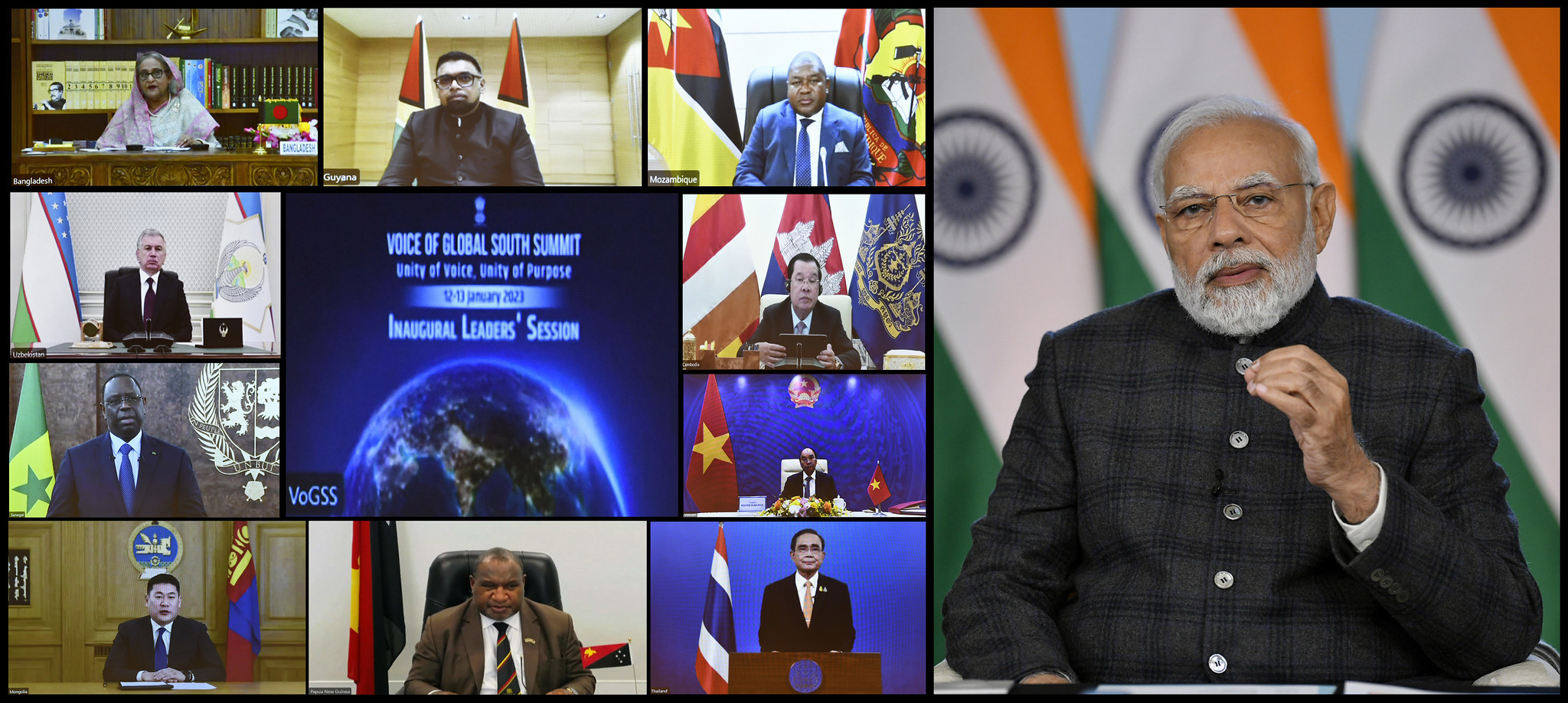
Many countries in the Global South, for reasons described in this analysis, do not criticise Russia’s renewed colonial effort in Europe. These countries perceive Ukraine not as a sovereign actor but as a pawn (proxy) of the collective West, whose members have gained a questionable reputation due to their historical (post-)colonial legacy in the region.
Up to this point, Ukraine’s diplomatic efforts have focused mostly on presenting Russia as the primary threat to the Western way of life (values, institutions, freedoms and principles). However, such a stance can be perceived as civilisational exclusivism outside the Global North.
So-called (emerging) middle powers like Turkey, India, Brazil and Saudi Arabia see an opportunity to assert their autonomy in foreign policy within a shifting security landscape. They are increasingly inclined to non-alignment with the West. This decision is motivated not only by growing ideological divergence with the Western block but also by pragmatic, long-term economic considerations.
Steps towards diplomatic success
Prior to 2022, Ukraine’s engagement in the Global South primarily focused on establishing mutually beneficial economic cooperation with major actors like BRICS countries.
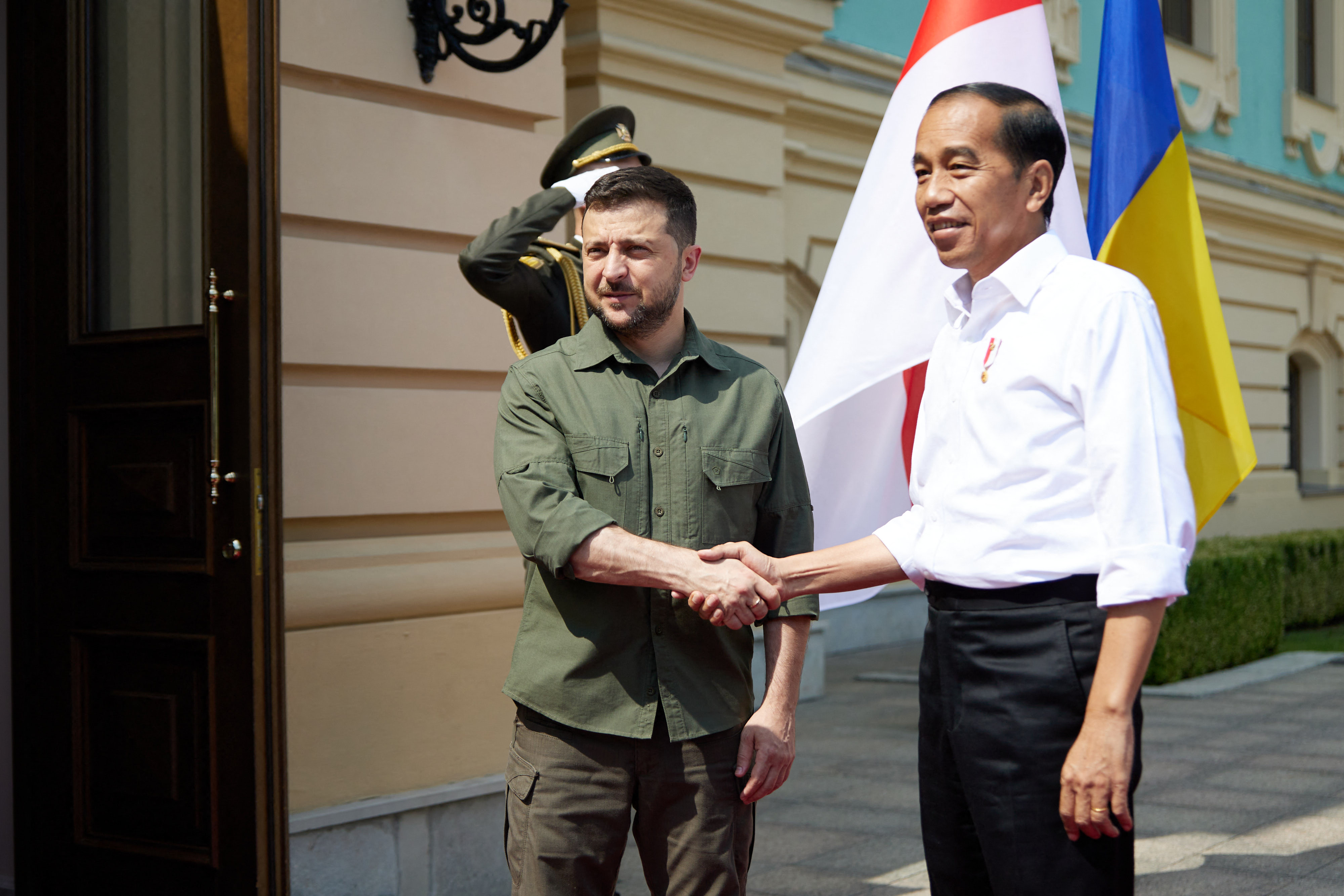
Nevertheless, Ukraine’s diplomatic strategy in the Global South has become more effective due to Kyiv’s persistency to reach its foreign policy goals, supported by its allies and effective strategic communication. In June 2022, Indonesian President Joko Widodo became the first Asian leader to visit Kyiv. And thirteen months into the invasion, China’s leader, Xi Jinping, finally engaged with Zelensky through a call. Subsequently, in May 2023, this step was followed by an official visit from the high-ranked diplomat Li Hui, China’s special representative for Eurasian affairs. These examples (and more
It is crucial for Ukraine to maintain its strong alliances in the Global North while simultaneously seeking new partnerships in the Global South
Although major breakthroughs in the Global South have remained absent, Kyiv has partially compensated this by intensifying its diplomatic engagement in the region.
Nonetheless, it is important to acknowledge that this approach, while warranted and needed, is likely to yield results primarily in the long-term. Diplomacy relies on trust-building, which requires patience and time. Tragically, for Ukraine, due to the ongoing war, both come at the highest of prices – human life.
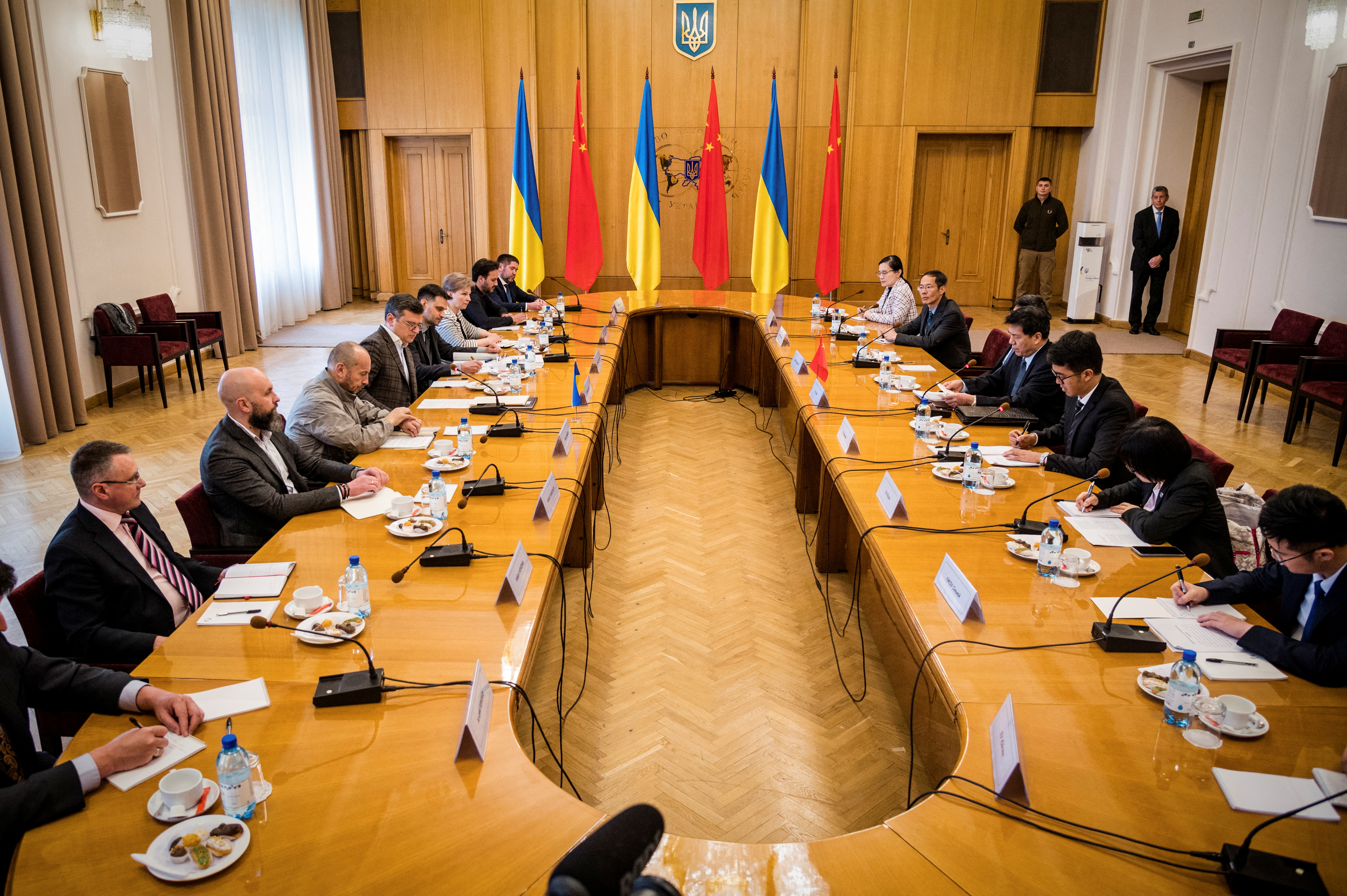
Much like the counteroffensive on the battlefield, the expectations for Ukraine’s diplomatic efforts should be tempered by its limited resources. While one should not entirely rule out the possibility of major breakthroughs, considering Ukraine’s proven ability to defy the unfavourable odds, the chances for such outcomes are slim. Kyiv’s primary foreign policy tool during this time of war remains strategic communication, which involves addressing Russia’s (neo)imperialistic and aggressive behaviour, countering its disinformation and raising awareness about the severe violations of human rights and war crimes.
At the same time, Ukraine must adopt an official long-term strategy and continue to strengthen its institutional presence in the Global South. Currently, Ukraine’s foreign policy is reactive and selective approach, prioritising the most urgent needs such as weapon delivery and grain transportation, while seeking to maintain (or improve if possible) relations with countries whose support is essential for its victory in the war.
In cases where room for constructive dialogue is limited, as with China and India, Ukraine strives to avoid actions that might be perceived as openly provocative. Although Kyiv is racing against time, many (neutral) countries in the Global South have also become increasingly concerned about the daunting prospect of a prolonged war in Ukraine.
Last but certainly not least, Ukraine cannot match Russia’s extensive presence and diplomatic outreach in the region unless it aligns closely with its Western partners to reconsider their strategy towards the Global South amid shifting strategic and security dynamics. Therefore, it is crucial for Ukraine to maintain its strong alliances in the Global North while simultaneously seeking new partnerships in the Global South.





1 Reacties
Load comments
Single sided view on the war between Russia and Ukraine
We need to go back to the roots of the conflict between Russia and Ukraine. We need to acknowledge that the Minsk accords have been not followed up as agreed by the West. We need to acknowledge and realize the role of the USA in overthrowing the government in Ukraine in 2014. Replace Russia for America and Ukraine for Iraq in this article. Nobody talks about all the wars America has started unprovoked. You can't be serious if you believe that the war between Russia and Ukraine was unprovoked, like the main stream media in part of the western world like to make you believe. We have to realize that the majority of the world is not pro-Ukraine: all BRICS countries understand the conflict in a much wiser and objective manner. And all BRICS countries together form a majority of the world. What Europe needs to do is really unite itself as brotherhood and in order to do this it should loosen it's bond with America and step out of NATO and form an alternative alliance.
Reactie toevoegen